Why Finding One on a Walk Still Feels Special

April 20, 2026
Source: Reddit
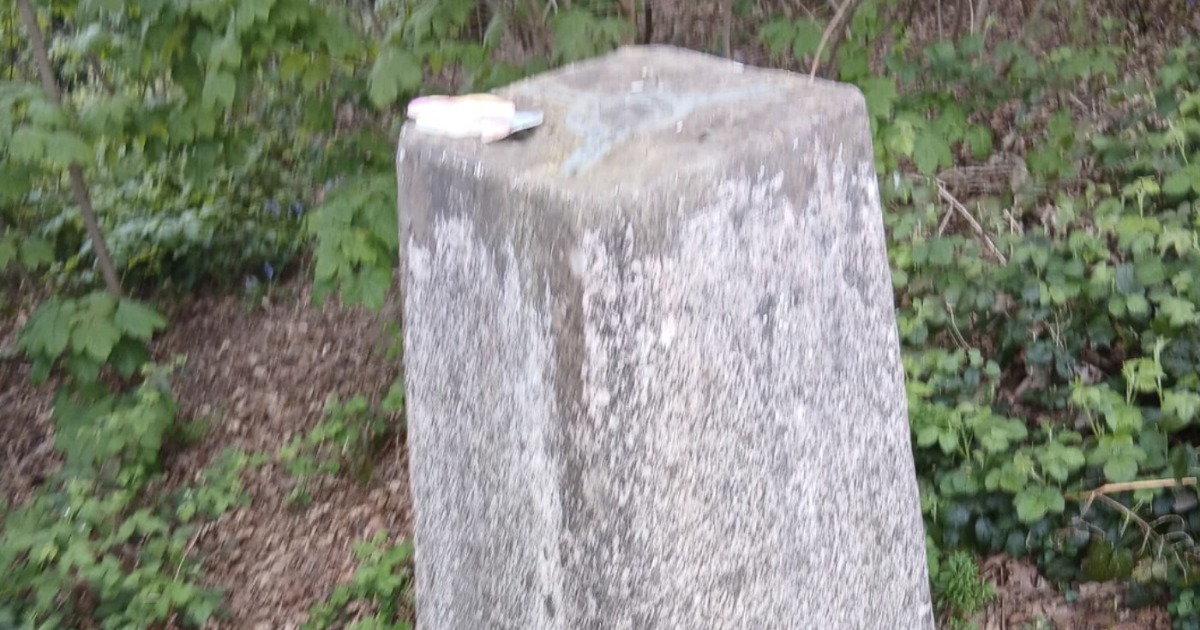
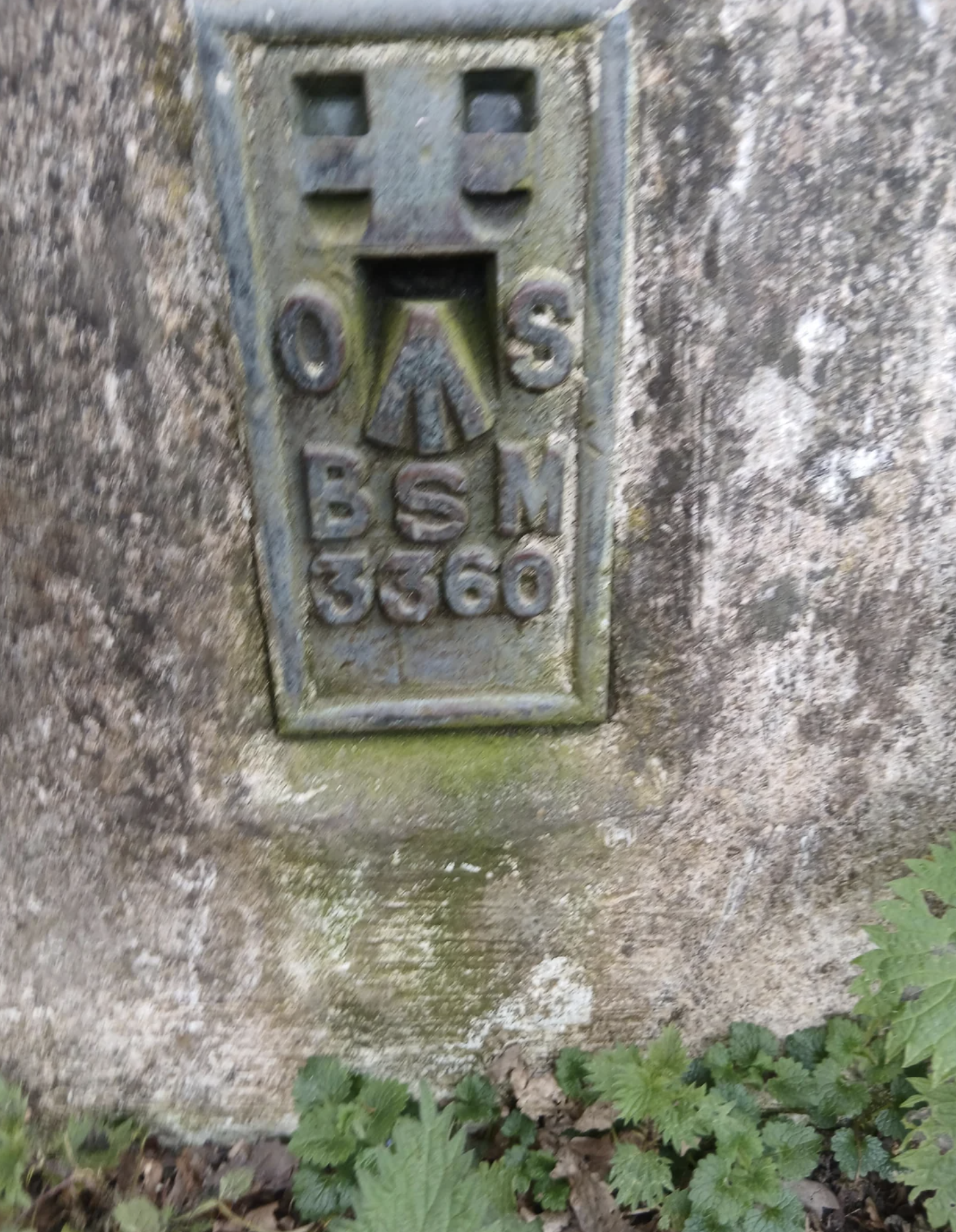
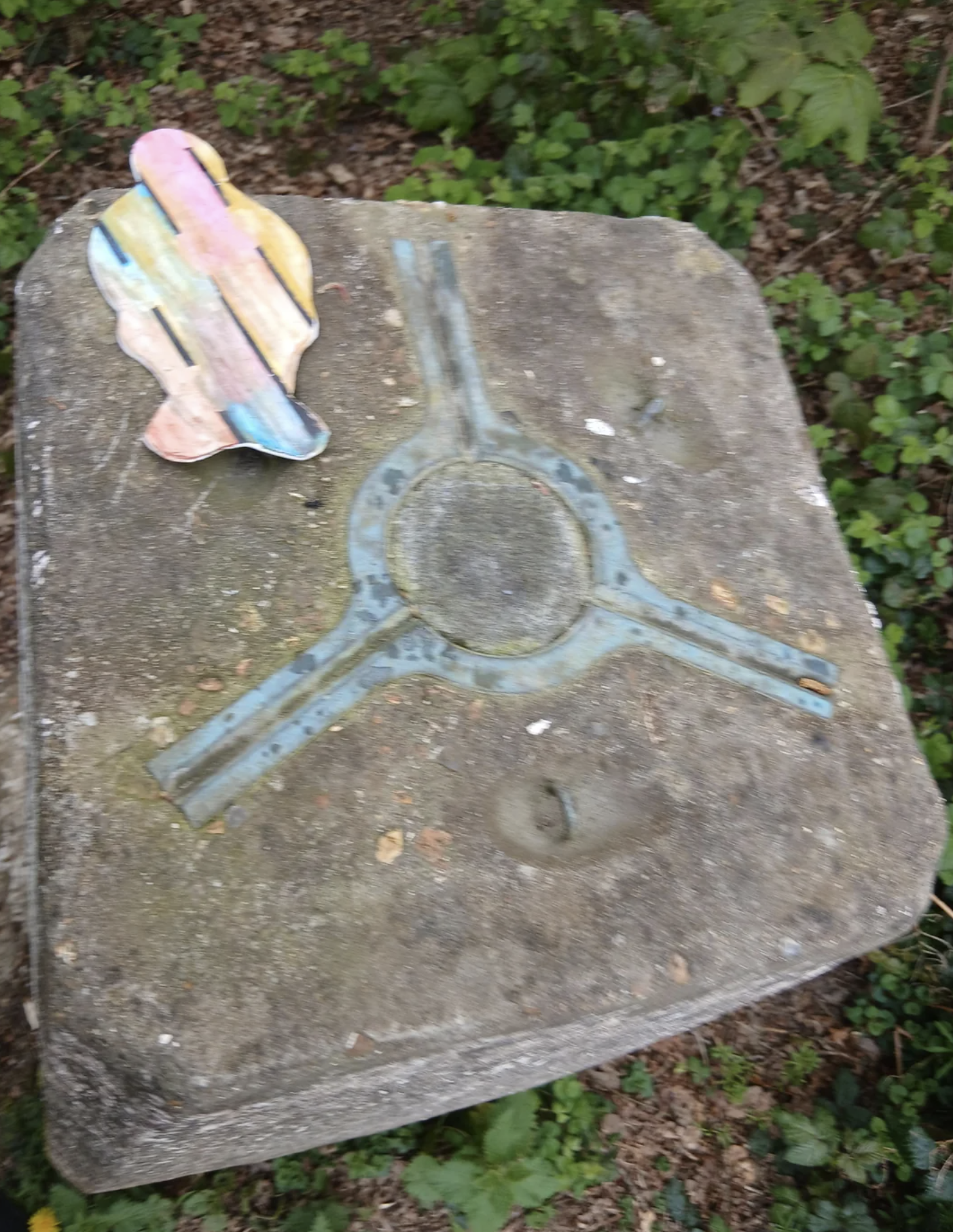
I found this trig point on a walk through a nearby wooded area, and it stopped me straight away. At first, it just looked like a big concrete block hidden among the trees. Then I noticed the Ordnance Survey plate on the side and the metal fitting on top. That was the giveaway.
It was a trig point.
These old concrete pillars once helped surveyors map Britain. They were fixed reference points in the national triangulation network. Surveyors placed instruments on top, took measurements to other points, and used that data to build accurate maps. So that strange pillar in the woods was not random at all. It was part of a huge mapping system.
What Makes Woodland Trig Points So Interesting
I think woodland trig points are more interesting than the ones on open hilltops. Hilltop trig points are easier to spot. Woodland ones feel hidden. You find them by accident, usually half surrounded by leaves, nettles, or low branches. That makes them feel less like landmarks and more like discoveries.
That was the appeal for me. I was just out for a normal walk, and suddenly there was this solid piece of mapping history standing a few feet away. No signboard. No fence. No fuss. Just a weathered concrete pillar doing its best impression of something forgotten.
A Small Piece of Mapping History
What I like most about trig points is how practical they are. They were never meant to be romantic or picturesque. They were built to do a job. Yet now they feel full of character.
Before digital maps and satellite navigation, surveyors had to measure the land by hand. Trig pillars were part of that process. They helped create the maps people used for walking, planning, and navigation for decades. When you stand next to one, you are looking at a leftover piece of that work.
That gives woodland trig points a quiet charm. They are simple, useful, and easy to miss. Still, they connect an ordinary walk to a much bigger story.
Why People Still Love Finding Them
I get why walkers enjoy finding trig points. They turn a routine walk into something memorable. You are not just passing through the landscape anymore. You are noticing it. You are spotting the old structures that most people ignore.
That is what this one did for me. It changed the walk. I ended up spending more time looking at that concrete pillar than I ever expected, which is mildly ridiculous, but also fair enough. It had earned the attention.
Woodland trig points do that. They are not dramatic, but they stick in your mind. They remind you that even a quiet patch of trees can hold a small piece of history.
Why This One Stayed With Me
I liked this trig point because it felt so out of place and yet so solid. The woods had grown around it. People had clearly noticed it over the years. But it was still there, still recognizable, still part of the landscape.
That is the charm of woodland trig points. They are plain, useful, and easy to overlook. Yet once you know what one is, it becomes more than a concrete pillar. It becomes a marker from a time when mapping the country took real fieldwork, real patience, and a lot of walking.
Not bad for something I almost walked past.