Why Are Those Little White Strings There?

November 3, 2026
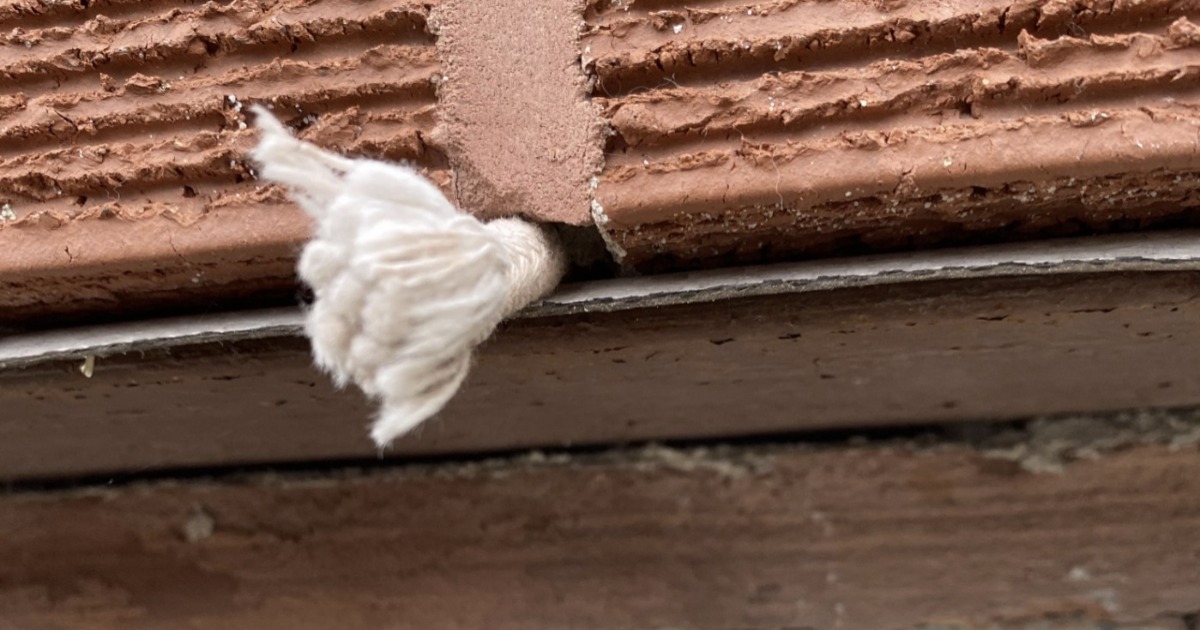
Source: Reddit
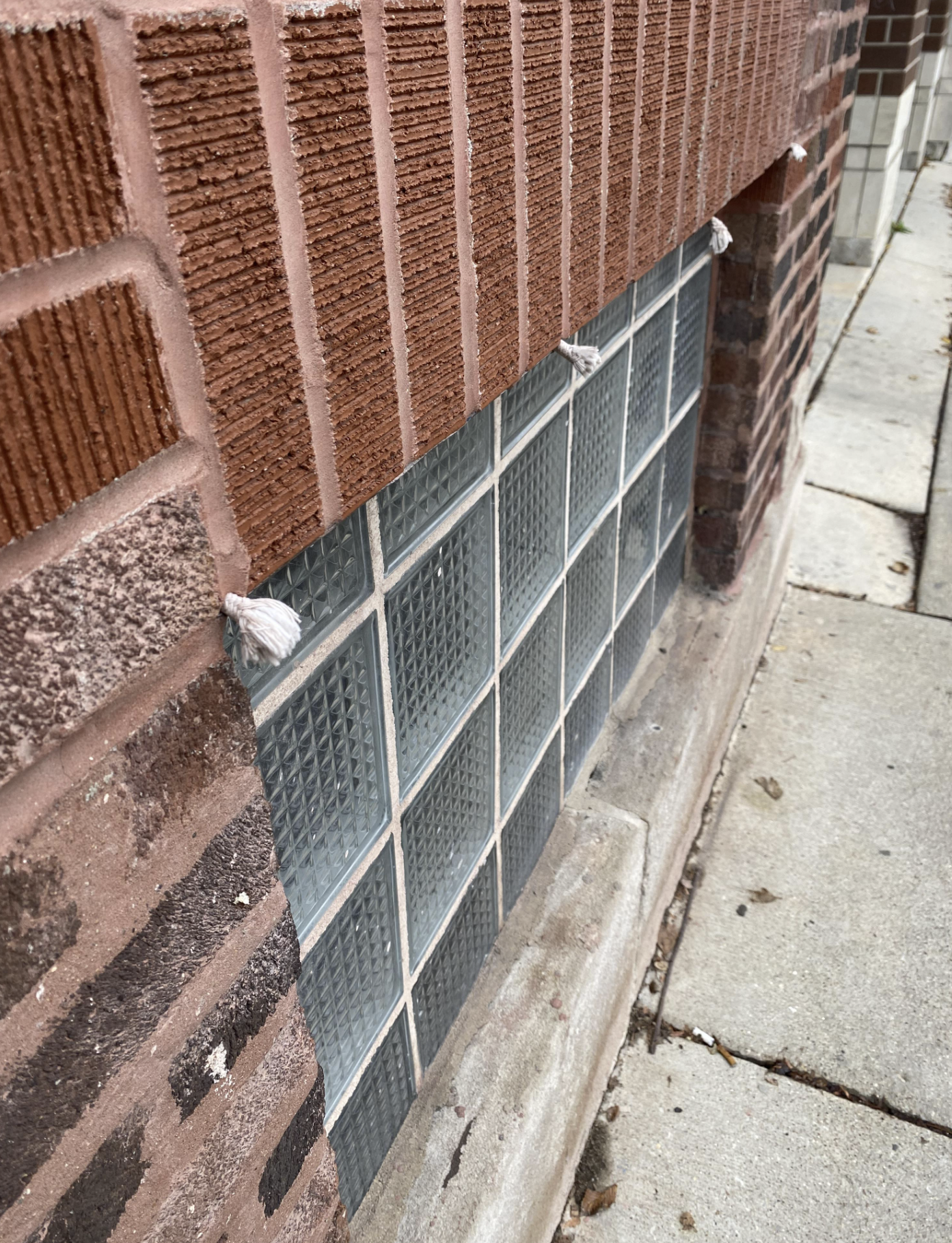
Have you ever noticed little white ropes sticking out of a brick wall, especially above basement windows? They look like someone left pieces of string behind while building the place.
But those ropes are actually there for a reason.
They’re called weep ropes, and they help moisture escape from behind brick walls. It’s a simple construction trick that you can still spot on many older buildings.
What Are Weep Ropes in Brick Walls?
Many brick buildings aren’t actually supported by the bricks you see outside. Instead, they use what’s called brick veneer construction.
The real structure sits behind the bricks, often made from wood or metal framing. Builders leave a small gap between the outer brickwork and the structure behind it.
Why? Because bricks aren’t completely waterproof.
Rainwater can soak through bricks and mortar joints, eventually reaching the space behind them. Without proper drainage, that moisture could damage the structure, causing wood rot, rust, or mold.
That’s where weep ropes come in.
How Do Weep Ropes Work?
Traditionally, builders used small pieces of cotton rope, placing one end inside the wall cavity and leaving the other sticking out between the bricks.
Cotton absorbs water through a process called capillary action. Think of how a paper towel soaks up a spill.
When moisture reaches the rope inside the wall, the fibers help draw it toward the outside, where it can evaporate.
Builders also install flashing behind the bricks to guide water toward these drainage points.
It’s a clever solution that doesn’t require anything more complicated than a piece of rope.
Why Are They Usually Above Windows?
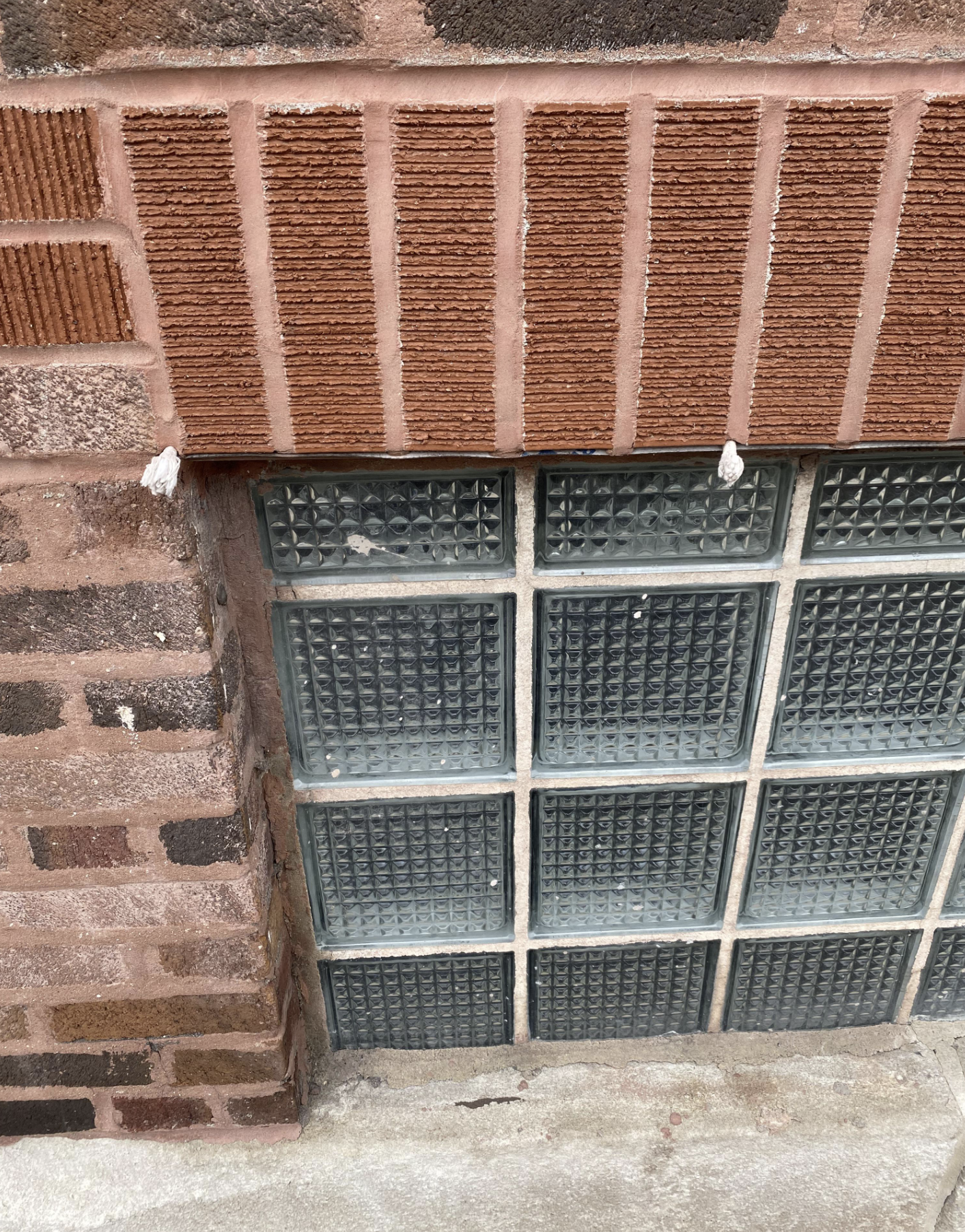
You might notice several white ropes hanging from the mortar just above a basement window.
That’s no coincidence.
Water that enters a brick veneer wall naturally travels downward. But when it reaches a window or doorway, it needs another way out.
Builders install flashing above these openings and use weep ropes to help moisture escape.
That’s why you’ll often see several ropes spaced evenly along the top of a window.
Do Builders Still Use Weep Ropes?
Cotton rope weeps were a traditional way to manage moisture in masonry walls, but modern builders generally prefer other methods.
Today, you’re more likely to see small openings between bricks, plastic weep vents, or specially designed drainage inserts.
These alternatives usually provide better drainage than cotton ropes, which can deteriorate or become clogged over time.
Still, the purpose remains exactly the same: let trapped water escape before it damages the building.
Should You Remove Those Little Ropes?
If you find old, frayed ropes sticking out of your brick wall, don’t pull them out.
They may still be helping moisture escape. Likewise, avoid sealing the openings with mortar or caulk.
If the ropes have deteriorated or you notice moisture damage, a masonry professional can inspect the drainage system.
A Small Detail With a Surprisingly Important Job
I always find it interesting how something that looks like a construction mistake can turn out to have a practical purpose.
Those little white ropes might resemble forgotten pieces of string, but they’re part of a drainage system designed to protect the building.
So next time you spot them above an old basement window, you’ll know what you’re looking at.
They’re not leftover construction scraps. They’re weep ropes, and they’re there to help keep the walls dry.