What’s Buried in Your Yard?

July 22, 2025
Source: Reddit
They say necessity is the mother of invention—but during the day, it was usually a combination of imagination, thriftiness, and an old copy of Popular Mechanics magazine. One of the best examples is the Model T axle clothes line. A goal post was on the top. The mounted clothes line was a bolt-on and unique installation. Some folks are still digging it up in their yards.
A Car Part Lives Again
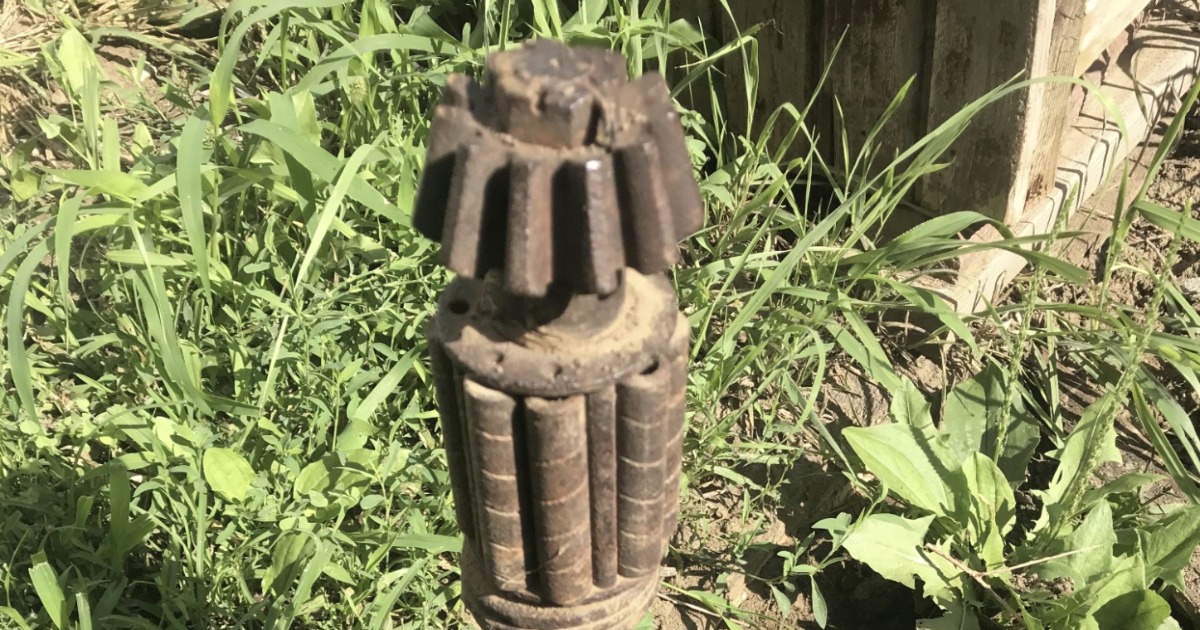
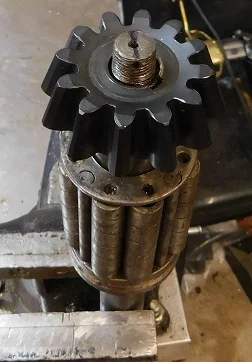
A rusty shaft in dirt and grass with a gear on one end might look like a piece of old machinery part. More likely than not, it is a Model T rear axle shaft. Someone has creatively turned it into a rotary clothesline. There are still Model T rear axles that served their life in a car, but are now ready to face a new direction with a different life.
A DIY Classic
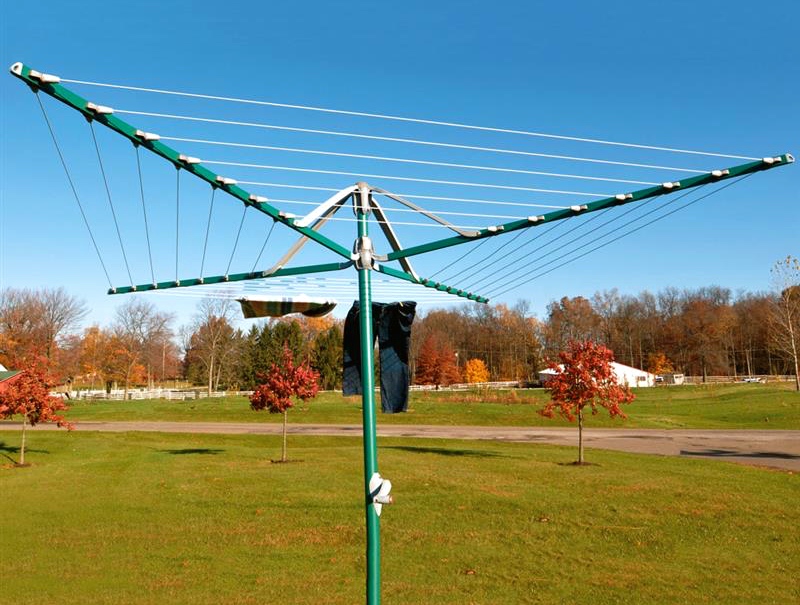
In magazines, such as Popular Mechanics, you could read about converting the rear axles into rotary clothes lines. Pull the axle out of the ground vertically; put on some wooden arms; and voila! With built-in roller bearings, your clothes line will spin around; allowing you to reach your line from one stop.
Although there was a fair amount of DIY work to do to complete these projects, people had a reason to do them as they worked with materials they had lying around. The axle was made of steel and was strong enough for repurposing. It also did not cost you to run the mechanism. The likeness was relatively simple to plan and construct.
Found!
There are many of these rotary clothes lines still standing and some dug-in tight. If you see a rusty metal shaft with the requisite gear teeth and/or roller bearings, especially in the middle of a known old yard, it is probably a rotary clothes line, made from a rear axle of a Model T. Some still have operational use. Others are just there for their fond memories.
More Than Just Laundry
The story behind the Model T axle clothes line is a story of utilitarian ingenuity of thought. A part of a car was not rubbish. As in, rubbish, waste, or junk, it was raw material. Families had to grapple with problems using available tools. Finally, people learned and shared experiences through the written word, such as magazines.
A Piece of Living History
If you can find one of these in your backyard, I would say it is worth a restoration. An object, for whatever its initial intended use, must have an origin story. Now it is living history as a memento of making do, reusing, and finding solutions in a world with limited resources and capital. This is a small but mighty reminder that thinking well as thought and action should still be to meet our daily needs.