A Thrift Store Mystery Solved

January 26, 2025
Source: Reddit
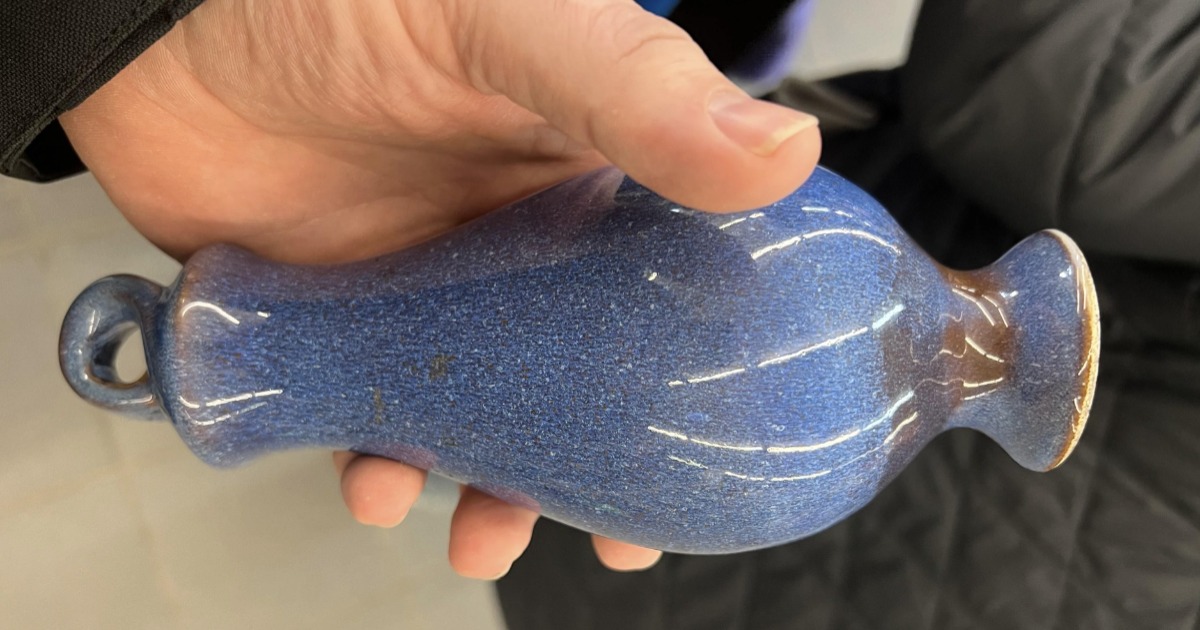
We’ve all had that moment while browsing a thrift store—picking up something odd, tilting our head, and wondering, What is this thing? That’s exactly what I thought when I came across a small, vase-like ceramic piece with a loop at the bottom. It was pretty, sure, but its purpose? A mystery. It turns out, it was one of those vintage hummingbird feeders.
Then, it clicked: it’s a vintage hummingbird feeder. And honestly, it might just be one of the coolest thrift store finds ever.
These feeders aren’t just practical—they’re the perfect mix of nostalgia and beauty. Let’s take a closer look at why these feeders are worth hunting for and how you can bring one back to life in your own backyard.
What Makes These Feeders So Special?
First off, these vintage feeders have a charm that’s hard to beat. Forget the basic plastic ones from the garden store—these beauties are usually made from ceramic or glass, often with a shiny glaze and a simple, elegant design.
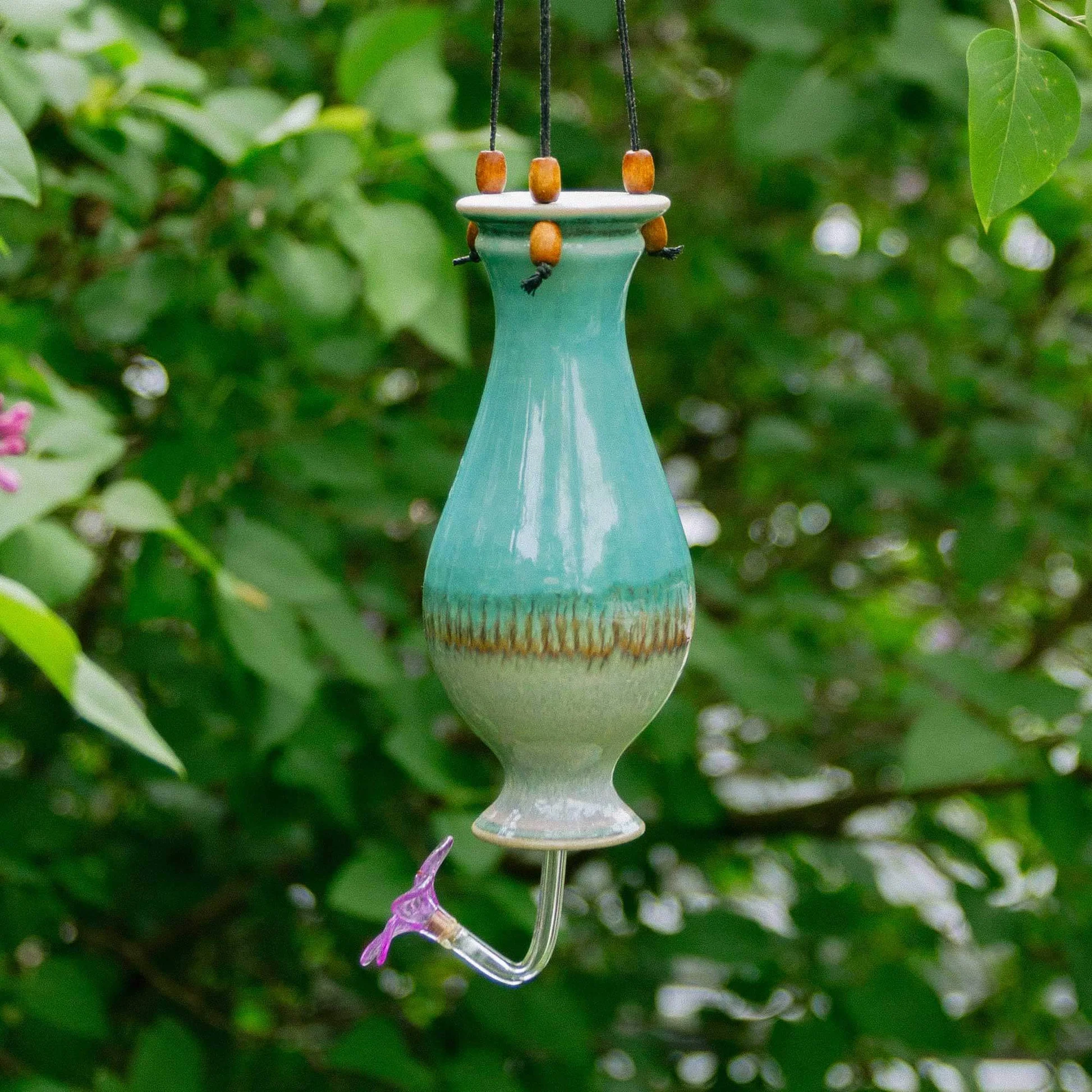
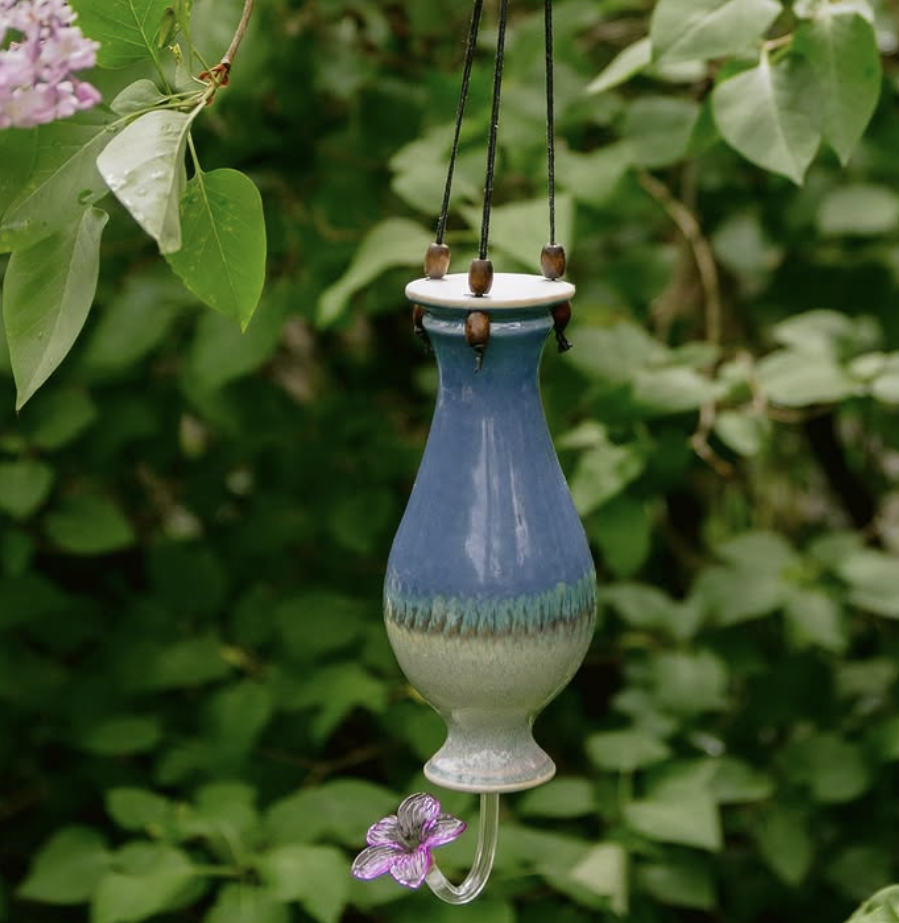
The one I found, for example, has this gorgeous deep blue finish and a little loop at the bottom for hanging. Here’s how it works: you fill the feeder with sugar water, fit a cork stopper (usually with a glass tube or pipette attached) into the top, and hang it upside down. Hummingbirds sip from the tube, and voilà—you’ve got a functional and stunning piece of vintage garden art.
Even if you don’t use it to feed birds, it still looks amazing on a shelf or as part of an outdoor display. It’s like holding a piece of the past in your hands—practical yet undeniably beautiful, especially with a vintage hummingbird feeder in your collection. It’s like holding a piece of the past in your hands—practical yet undeniably beautiful, something truly exquisite among vintage hummingbird feeders.

A Quick History Lesson
Back in the day, these feeders were a staple in gardens, especially for those who loved hummingbirds. They weren’t just tools—they were part of the décor. Most were handmade, either by artisans or small pottery studios, which means no two are exactly alike.
The designs focused on more than just utility; they showcased a love for craft and detail. Artisans didn’t mass-produce these feeders from plastic—they crafted them to last, with glazes that still shine decades later.
Imagine a time when your garden wasn’t just a place for plants, but a little oasis for wildlife, too. That’s the vibe these vintage hummingbird feeders bring.
How to Bring One Back to Life
If you’ve come across a vintage hummingbird feeder—or you’re inspired to find one—you’re in luck. Restoring it is simpler than you might think, and the payoff is absolutely worth it.
Here’s how to get it ready:
- Track Down a Cork and Tube: Most vintage feeders are missing their original cork stopper and feeding tube, but don’t let that stop you. A quick online search for “hummingbird feeder replacement parts” should do the trick. Just make sure the cork fits snugly into the top opening.
- Give It a Good Clean: Since it’s vintage, you’ll want to clean it well before using it. Stick to warm water and gentle soap—no harsh chemicals, since hummingbirds are sensitive.
- Mix the Nectar: Skip the store-bought stuff. All you need is four parts water to one part sugar, boiled and cooled. (And no, you don’t need to add red dye—hummingbirds are smart enough to find it without the extra coloring.)
- Hang It Up: Use the loop at the bottom to hang your feeder in a quiet spot with some shade. Ideally, it should be somewhere you can watch from a window or patio—because trust me, once the hummingbirds show up, you won’t want to miss it.
- Enjoy the Show: The first time you see a hummingbird zipping in for a drink, you’ll be hooked. It’s like having a little slice of magic in your own backyard.
Why Vintage Feeds the Soul
There’s just something about vintage finds that makes them special. They connect us to the past, to a time when even the simplest things were made with care and intention. These feeders aren’t just garden tools—they are conversation starters, pieces of art that bring nature a little closer.
So, the next time you’re wandering through a thrift store and spot something you don’t recognize, take a second look. That quirky little vase with a loop at the bottom? It could be a hidden treasure just waiting to be a part of your collection and bring some joy to your life—and maybe a few hummingbirds, too, with that vintage hummingbird feeder adding charm to your garden.