Unlock the Secret to Why Guitars Sounded So Different Back Then

September 17, 2024
Source: Reverb
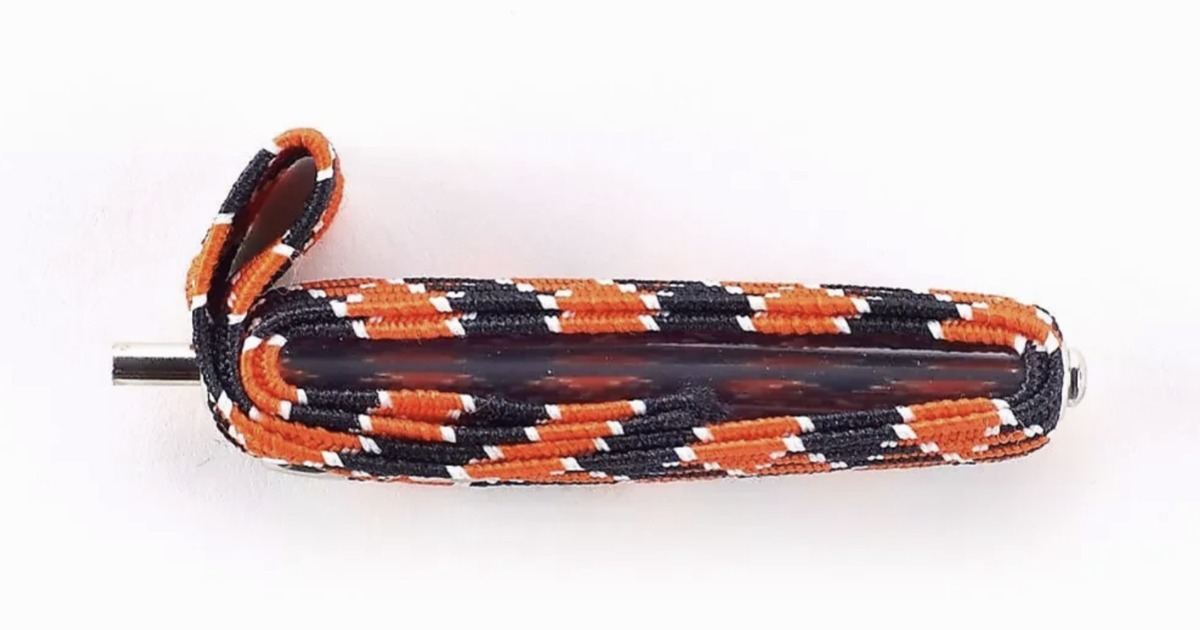
One can only feel the joy of taking an old guitar in one’s hands, feeling the frets under one’s fingers and realizing how the most basic object could help create music. Of such tools that were popular among guitarists from the ‘60s and ‘70s the Dunlop elastic capo was one of them. It wasn’t stylish, it wasn’t thrilling but it was always there, it was simple, it was practical and it was reliable. When one thinks of those golden decades of music one can not help but envision legends of the folk genre playing with a capo locked onto the necks of their acoustic guitars singing songs of protest and romance.
The elastic capo, with the lightweight frame and adjustable strap was not only for the professionals. It was for the amateur musician, the sort of person who played at Star Bucks or at someone’s party or just around a camp fire. It allowed players to change the key of the songs being played without having to tune the instrument—that was rather helpful for those who wanted to keep playing throughout the session. During the period where music was still something that appealed to the emotions and not to the skills, the elastic capo was very much fitting.
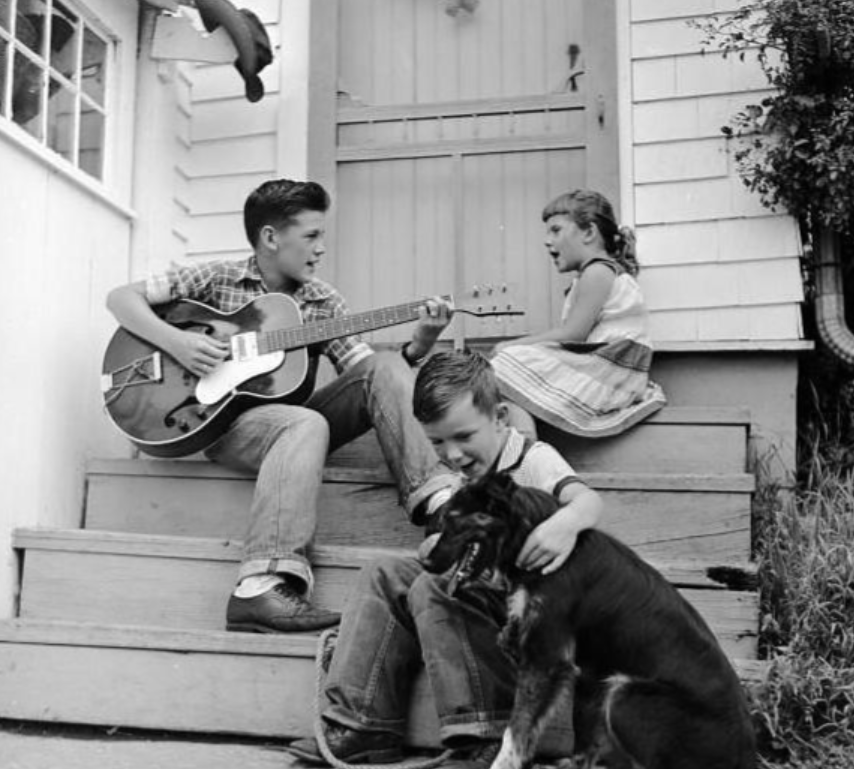
In the culture, the Dunlop capo represented one’s ability to fit in. This wasn’t something that required a big studio to be made. A simple instrument like the guitar, a capo and a man’s voice can make people touched. Whether you were struggling to learn your first chords or working on some pretty complex finger picking patterns, this wee gadget made it possible. It permit the musicians of all levels of expertise to discover various timbres, to work with chords, to try out new tunings, and to add their own imagination to the compositions they liked.
In the 1970’s, when rock music was being produced by artists such as Bob Dylan, Joni Mitchell, and Neil Young, the capo was there to help in defining the sound of the acoustics. Dylan’s ‘Blowin in the Wind’ or Joni Mitchell’s complex tunings that required a lot of effort to play can be credited to a simple accessory known as a capo which changes the tuning of the guitar. It turned into a kind of a silent witness to the creative revolution of the time and provided musicians with a possibility to perform in a new and unique manner.
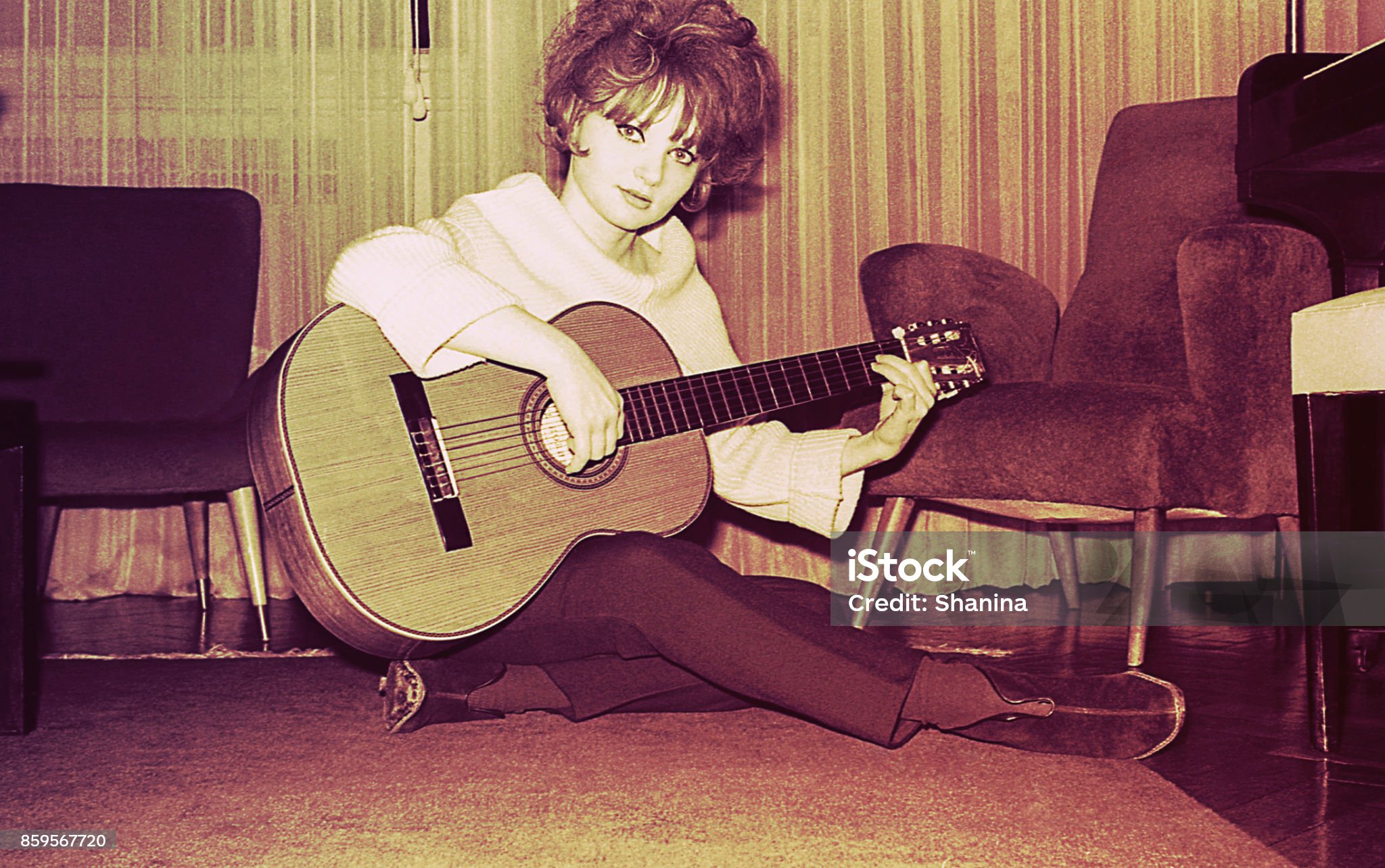
To this very day, it is possible to feel some romanticism in the design of the elastic capo. It may not be as complex or as adjustable as the current day models, but it is still around. Some guitarists keep on using their old capos because they have sentimental value to them, as these are used in earlier music pieces. It’s not just an effective instrument; it is a symbol of the time when music was not only about writing compositions and creating hits, people used to play music to get lost in the sounds, to pick up their guitar, put on a capo and let music flow through them.
Analyzing the cultural influence of the elastic capo one can see that it was not just an adornment, but much more than that. It was an element of the musical arsenal that characterised a whole generation. From the handling of folk music to the vigorous protest music, the capo enabled the guitarists to create music and make the world stand still. The music of the ‘60s and ‘70s still remains relevant today, and the equipment used to compose those songs remains relevant, including such simple gadget as the elastic capo.
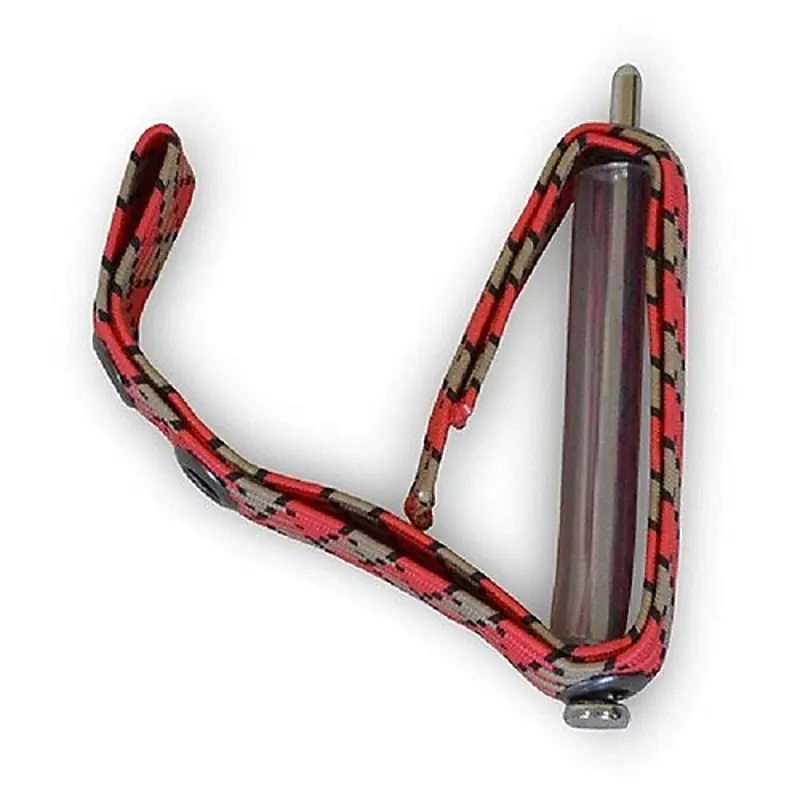
The elastic capo was not only a device which enabled the performer to change the key. It was a way to open up the world of music for the guitar and unleash the full potential of sound that it could have. Due to the above features, it became popular among musicians regardless of their status in the society. Therefore, the next time you come across an old guitar case with a capo lying inside it, you will appreciate the history that goes with it; the history of the music that it helped to produce, the songs that it helped in composing, and the generations it enabled.