Tracing Time: A Guide to Dating Your Home

August 23, 2024
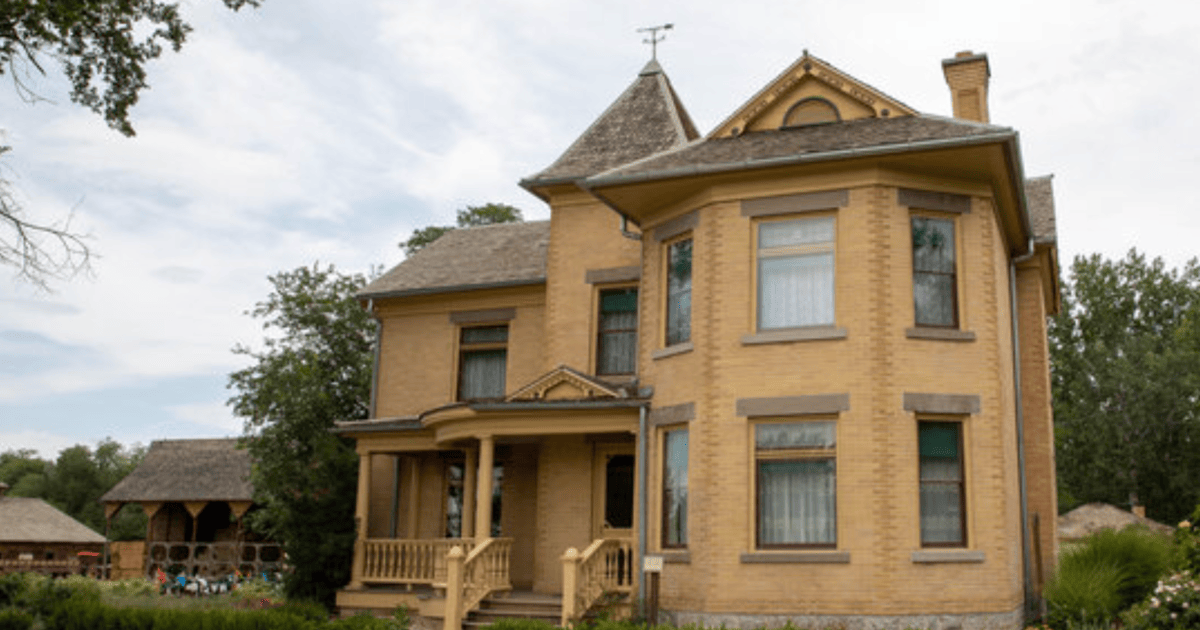
Source: Adobe Stock
Dating old houses is a very exciting task which can also be quite a challenge, and it is done based on architecture, materials used and other documents. Here’s a guide to help you date an old house:Here’s a guide to help you date an old house:
1. Identify Architectural Style
Colonial (1600s–1800s): The design has an axis, a central chimney, a steep gable roof and small windows.
Victorian (1837–1901): Lavrish, odd-shaped, with towers, bay windows, and elements of gingerbread.
Craftsman (1900–1930s): Gable roofs, widespread eaves, lapped timber beam, integrated cabinets, large verandahs.
Mid-century Modern (1940s–1970s): Horizontal lines, big windows, connection with the outside, lack of decoration.
2. Examine Building Materials
Wood Types: It is also possible that early homes were constructed with old growth timbers or with logs. Latter homes used mill produced lumber.
Brick and Stone: Handmade bricks or local stones can be very useful in order to establish a certain time period.
Siding Materials: The kind of siding that you can have on your home include clapboard, shingle siding, or aluminum siding all of which fall under certain periods.
3. Consider the window and the door
Window Style: Six or nine over six or nine windows are sawn or gingerbreaded, and multi-paned windows (6-over-6 or 9-over-9) are found in early homes. Larger panes were used in the later part of the 19th century and the early 20th century.
Door Design: Older houses have rather massive and planked doors, while later houses may have more elegant doors with lights, for instance, with frosted glass.
4. Investigate the Roof
Roof Shape: Gable, gambrel, some from the Victorian era were mansard, and another from the colonial period was hip roof.
Materials: The first roofs were made with wooden shingles while later on, slate, tiles or asphalt shingles were used.
5. Check Historical Records
Deeds and Titles: The following measures should be taken in order to find ownership records in local government offices:
Census Records: These can give an idea on who lived in the building and can also assist in estimating the time of construction.
Building Permits: If possible they may be able to provide specific dates for construction or for major alterations to a building.
Sanborn Fire Insurance Maps: These maps showed the building footprints and materials and these were frequently revised.
6. Search for the Hardware and Fixtures
Nails and Screws: Availability of nails also changed over the years from hand-forged nails to machine cut nails in the 1800 and wire nails in the later part of the nineteenth century.
Lighting Fixtures: Gas lighting was used from the 19th century while electric lighting started being used from about the1880s.
7. Study Foundations and Basements
Foundation Materials: Some of the earliest constructions of houses used stone or brick and concrete foundation only started being used in the early twentieth century.
Construction Techniques: Mortar quality and cutting technique of stones are other factors that can give information on the construction period.
8. Consult Local Histories
Local Historical Societies: They usually hold collections of pictures, plans, and papers that are relevant to historic structures.
Historic Registries: Check if the home is registered with the local or the national registry of historical homes.
9. Observe Chimneys and Fireplaces
Chimney Placement: Central chimneys were used in the initial homes while the later homes have several chimneys of a smaller size.
Fireplace Design: The big open fireplaces are typical for colonial houses, and the later houses have more compact and often more ornate fireplaces.
10. Evaluate Floor Plans
Room Layouts: Many of the previous houses are small and have many different enclosed compartments. The open floor plan became popular in the last half of the 19th century and the first half of the 20th century.
Thus, studying these features and collecting historical information, one can most often determine the period of construction of the house.