This Tiny Thing Held Big Secrets

November 25, 2025
Source: Reddit
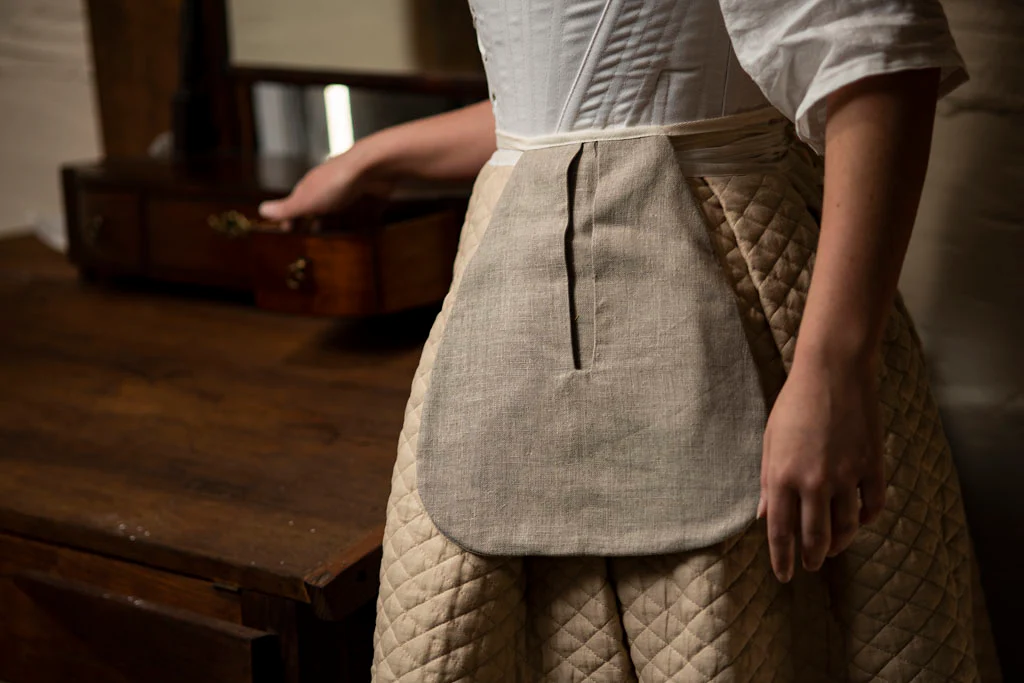
In the 18th century, women didn’t have the option of small functional or pocketed clothing. Therefore, they developed another way to carry their personal items. Women had fabric pouches sewn separately and attached to their waistline with a ribbon or strip of cloth (the first type of women’s hidden pockets).
Hidden Pockets
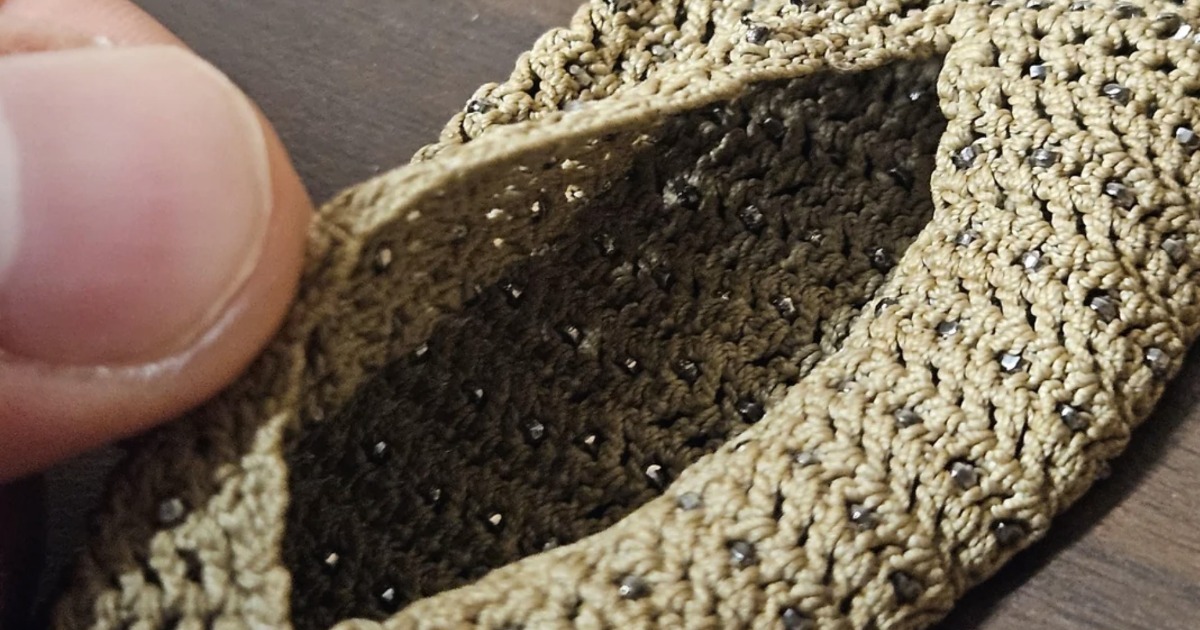
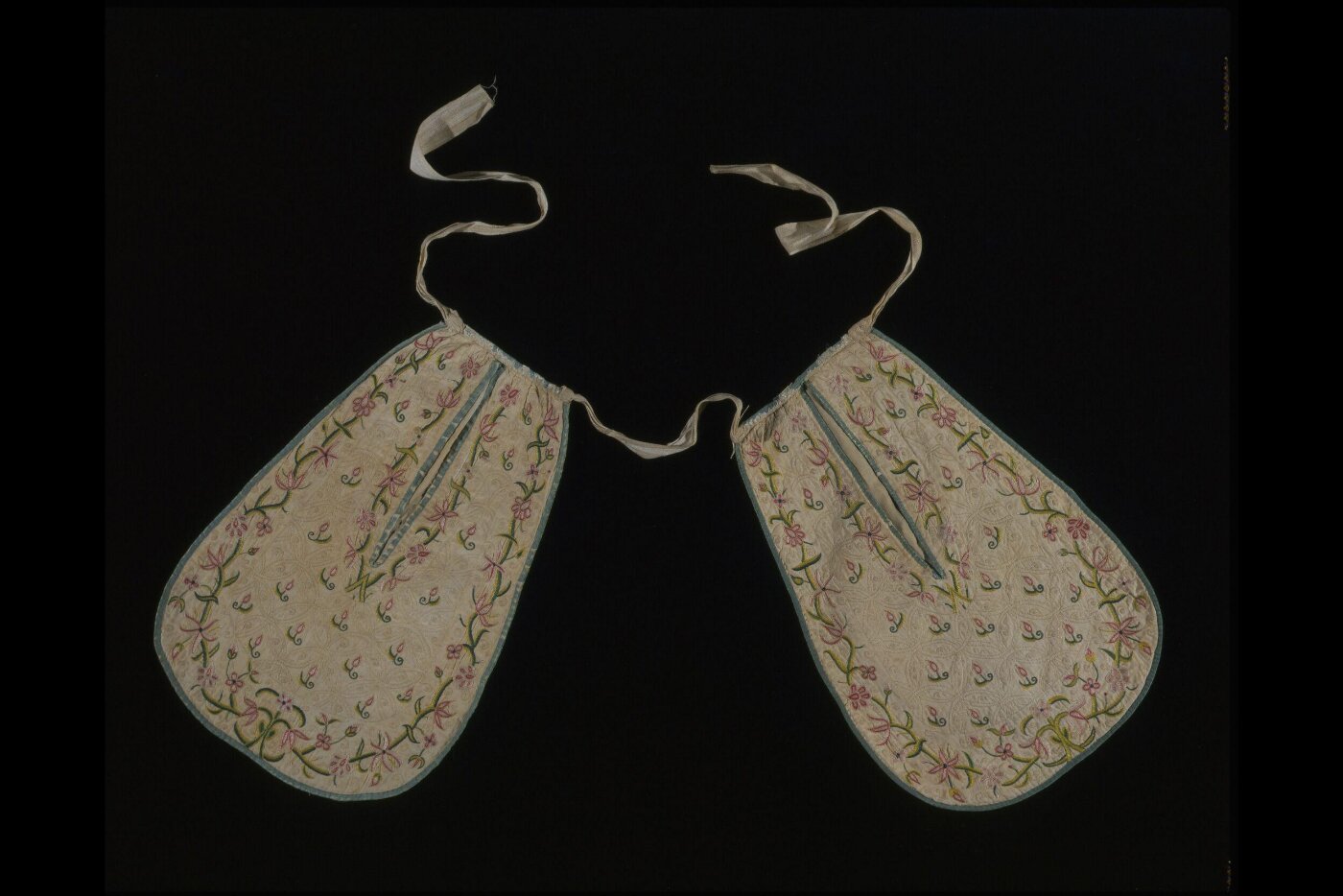
Pockets were located between layers of clothing that hid them from view. A slit was cut in the top layer to allow the woman to insert her hand through the slit. Women’s hidden pockets allowed them to access what they needed from the hidden pocket. This 18th-century lady’s pocket was made of crochet and beading. It has a floral pattern on the front along with a slit in the middle which allowed access to the contents.
Practical & Personal
Pocket designs could range from very simple to elaborate. Many pockets included embroidery, beading and other forms of decoration and craftsmanship that created a unique pocket for every wearer. These hidden pockets were designed to carry many things including but not limited to:
- Coins and keys
- Sewing items
- Letters
- Personal grooming items
- Food items
This location helped protect against thieves, also gave women a level of privacy and mobility.
Emergence of the Word Pickpocket
During this time of history, the term pickpocket emerged. This term came about due to the fact that thieves would need to use some form of skill. They needed this skill to steal items from the women’s hidden pockets. For women, the placement of the pockets provided a means of securing their belongings. It also provided a convenient and discreet method of carrying them.
From Under Skirts to Handbags
When fashion changed in the 19th century, women began wearing dresses with much less bulk underneath them. Consequently, there was no longer space to accommodate the large under-skirt pockets that women had previously used. Therefore, the handbag became the new alternative to the women’s hidden pocket. The handbag moved the place where women kept their personal items from being concealed to being out in the open. There was no longer any need for clothing to contain internal pockets and the need for them diminished.
Functional Legacy
The historic pocket demonstrated to women that designers can meet everyday needs through design. Women’s hidden pockets were a means to control their own personal belongings, and the location of the pocket and its structure provided women with control over their own personal belongings.