This Thing Has a Story

June 5, 2026
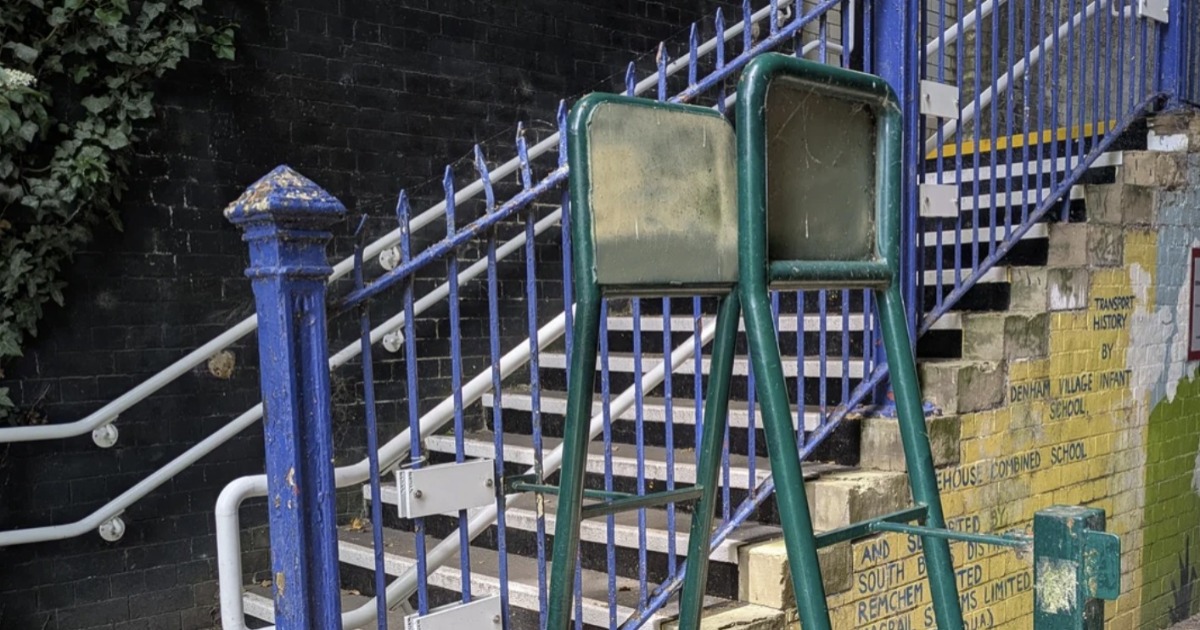
Source: Reddit
I’ve always had a soft spot for odd bits of street furniture. Chipped railings. Faded signs. Bollards that look older than half the houses nearby. So this green metal barrier beside a railway overpass caught my eye straight away.
It looks mysterious at first. Tall, green, slightly battered, and planted awkwardly beside the path. But its job is simple.
It stops bicycles going through.
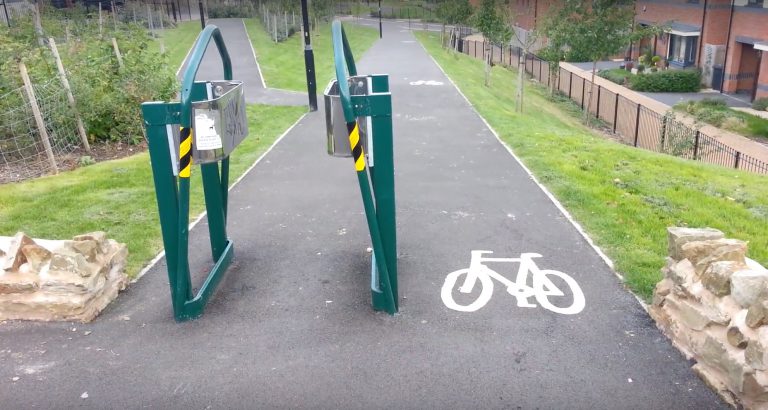
More specifically, it’s one of those cycle barriers under UK railway bridges that used to appear near footpaths, alleys, school routes, and underpasses. It slows cyclists down, or makes them get off and walk.
Why cycle barriers under UK railway bridges exist
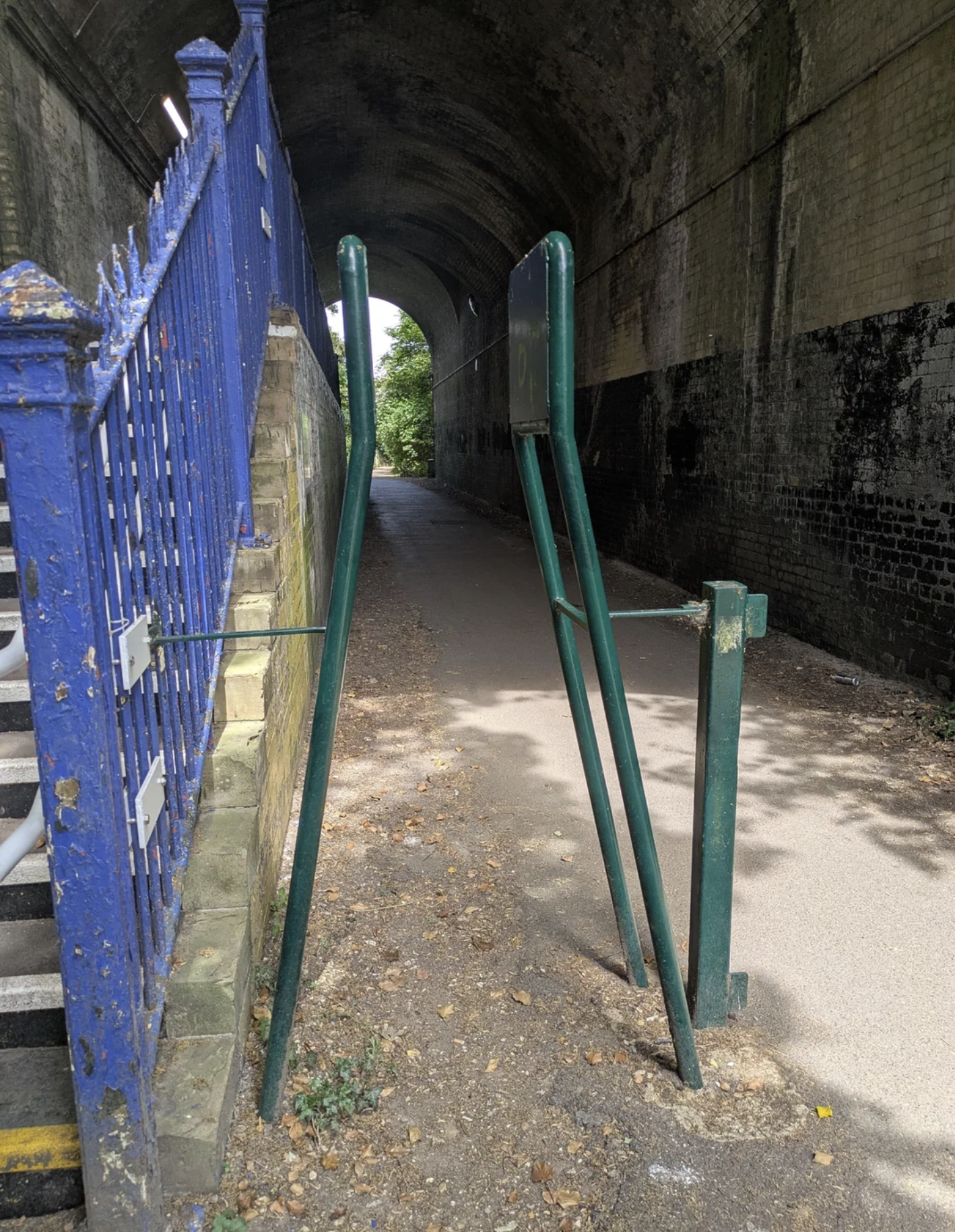
Railway underpasses can be awkward. They’re narrow, echoey, and often dark. Add stairs beside the path, and you get a blind spot.
A cyclist coming through at speed might not see someone stepping off the stairs. A pedestrian might not hear the bike until it’s right there. Cue the classic pavement shuffle, where both people move the same way three times and nobody looks graceful.
The barrier breaks the straight route. You can’t ride through smoothly. You have to slow down, turn, lift the bike, or give up and walk.
Blunt? Yes. Effective? Usually.
A very British solution
There’s something wonderfully British about this kind of barrier. It doesn’t flash, beep, or explain itself. It just stands there and says, “Nope.”
I can almost imagine the council meeting.
“Cyclists keep racing through the underpass.”
“Put a big green thing in the way.”
“Sorted.”
That’s the charm of older street furniture. It solved problems with metal, paint, and concrete. No fuss.
The one in the photo has plenty of character. The paint is chipped. The frame looks worn. The blue railings beside it have clearly seen years of rain, school runs, and people brushing past with bags.
The old underpass feeling
Railway underpasses have their own mood.
The air feels cooler. Footsteps echo. The walls look damp. Leaves gather in corners. Then a train passes overhead, and the whole place rumbles for a few seconds.
As a kid, I found places like this half exciting, half creepy. Not terrifying. Just the kind of place where you walked a bit faster without admitting it.
Barriers like this were part of that experience. They marked the shortcut and told cyclists to slow down. They also gave at least one kid on a BMX a reason to attempt something stupid.
There was always one.
Everyday local history
What I like about cycle barriers under UK railway bridges is that they belong to ordinary history.
They shaped small routines. A cyclist had to stop. A parent with a buggy had to angle it carefully. Someone with a shopping trolley probably muttered under their breath. A child might swing on it until told to get down before they “broke their neck.”
These barriers weren’t special. That’s why they stuck in memory.
You passed them so often they became landmarks. Meet by the bridge. Cut through the tunnel. Turn left after the railings. Don’t ride that way because of the awkward green barrier.
Small things like that make up a place.
Not everyone loves them
Of course, these barriers can cause problems.
They may stop fast cycling, but they can also block people using wheelchairs, mobility scooters, cargo bikes, or double buggies. Even walking a normal bike through can feel awkward.
That’s why some places have removed old barriers or replaced them with better designs. A path should slow careless riders without making life harder for everyone else.
Still, this older barrier shows how towns once handled the issue. They saw a problem and installed something solid.
Very solid.
A scruffy little reminder
So, what is the five-foot green metal thing beside the railway overpass?
It’s a cycle barrier. A bicycle stopper. One of those cycle barriers under UK railway bridges that many of us passed without thinking.
It stopped bikes from rushing through, it slowed people down near the stairs. It probably annoyed plenty of cyclists and helped plenty of pedestrians.
And now, with its chipped paint and slightly stubborn look, it has become part of the local scene.
Not bad for a scruffy green lump of metal.