This Strange Spiked Tool Was In Every Home 100 Years Ago

January 14, 2026
source: Frank Carone/Facebook
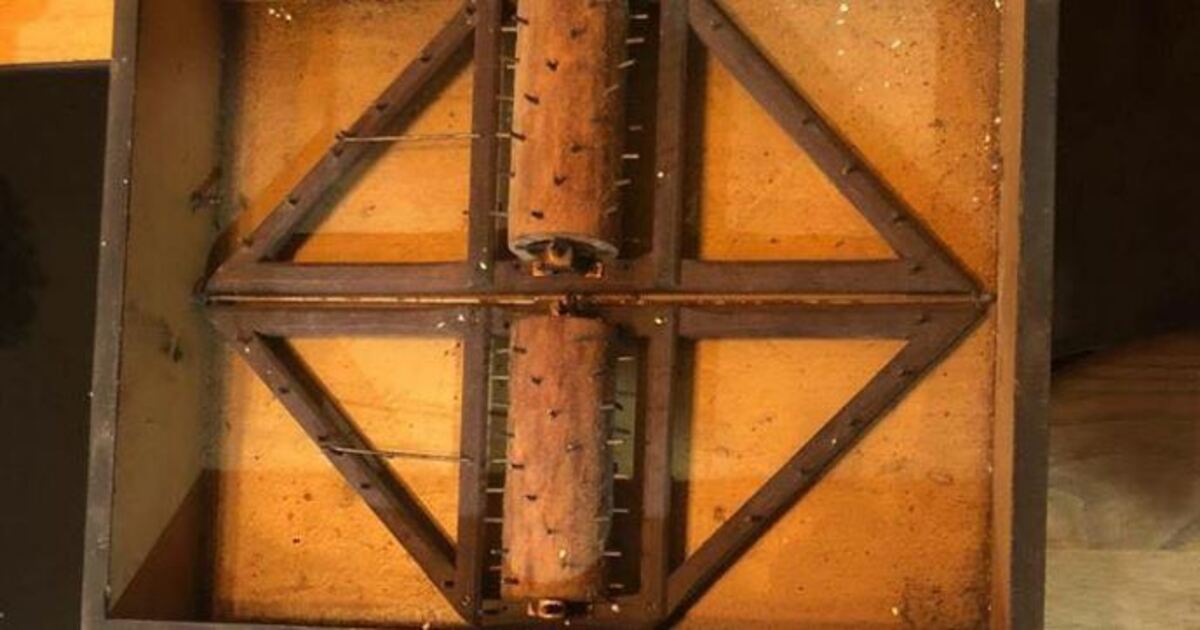
Preparation of natural fibers such as wool, flax, and cotton — as opposed to man-made synthetic materials and machines — was an extremely manual and arduous process. The preparation process began with processing of the raw flax fibers. The first step in that process was the flax carder — a handheld tool consisting of two rows of metal spikes mounted on a wooden base. It played an important role in the daily lives of many people.
What Is A Flax Carder?
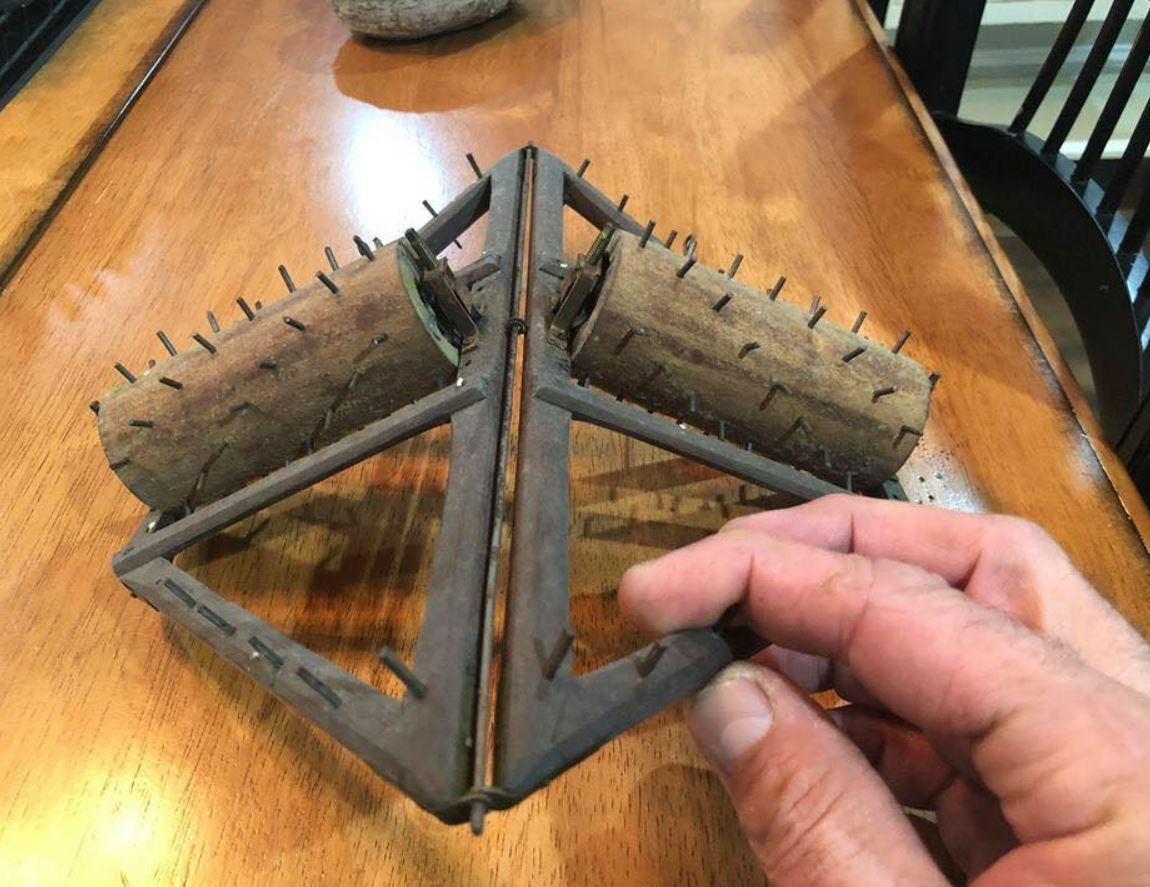
At first appearance, a flax carder can appear to resemble a medieval torture instrument due to its metal spiked rollers and wooden base. However, the primary intent of the flax carder was to separate the flax fibers from the shorter fibers, dirt and other debris from the flax stem. The spiked rollers pulled the flax apart, untangled the fibers and aligned them in the same direction. This process provided a necessary step in producing smooth, even yarn. This yarn would later be able to be spun using either a spinning wheel or hand.
Glimpses of the Past
Preparing flax during the 18th and 19th centuries was an arduous and time-consuming process. Harvested flax had to be retted (rotted to soften the fibers), dried and broken prior to beginning the carding/hackle process.
Carding Wool & Cotton vs. Carding Flax
Wool and cotton fibers are generally softer and shorter than flax fibers. Therefore, they were processed using brushes or rollers with wire teeth. Flax fibers however, due to their length and stiffness, require additional processing beyond carding and hackling. The flax carder or hackle was specifically developed for processing flax fibers. They were typically handmade from wood and nails. Many families spent long evenings in front of the fireplace processing their flax fibers. They shared stories while their hands worked together in a rhythmic motion.
Flax Processing Tools
Flax-processing tools were common in many rural homes. In addition, in some communities, neighbors would share flax processing tools, such as the flax carder. They would pass the carder from house to house as each community member harvested their flax. Preparation of flax was not simply a chore. It was a regular part of the rhythm of life and tied families to the land and to one another.
Historical Significance of Flax Carders in Fiber Production
While flax carders served a practical purpose, they also represented a connection between the natural world and the production of wearable fabric. Linen, made from flax, has been one of the oldest and most widely produced textiles throughout the world. From undergarments to tablecloths, linen was valued for its durability, breathability and cooling properties.
Prior to the development of flax carders, processing of flax for use in linen production would have been almost impossible to accomplish at the household level. The flax carder allowed families to convert flax stalks into spinnable fibers. This provided an important link in the production chain between raw nature and usable cloth.
Why People Are Fascinated By Them Today
Many people discover flax carders in antique stores or attics without knowing what they represent. While the flax carder’s purpose may remain unknown, the enigmatic nature of the tool provides an element of fascination. Upon identifying the flax carder, the tool becomes a conversation starter. It represents a tangible piece of history that illustrates the amount of labor and skill that has historically gone into the basic necessities of life.
Today, flax carders and similar tools continue to be utilized by artisans and historical reenactors in various aspects of traditional fiber arts. The use of the flax carder honors traditional techniques of processing flax fibers. This demonstrates how craftsmanship has historically woven itself into every aspect of daily life. Watching flax being processed using traditional techniques not only educates viewers, but also represents a sense of satisfaction. This satisfaction comes from watching human ingenuity and resilience at work.
History Held Within Your Hands
When discovering a vintage flax carder, you’re holding a tool that assisted families with clothing for multiple generations. Beyond being a tool made of wood and metal, the flax carder represents a piece of the collective memory of humanity. It offers a glimpse of the past where every single thread of clothing was touched by human hands.
In the era of automation, the flax carder serves as a silent tribute to the patience, time, and skills that previously characterized the daily lives of individuals. Although the flax carder is no longer commonly used, its history continues to weave through the fabric of history.