This Strange Room Holds Secrets From Over a Century Ago!

October 8, 2024
Source: Reddit
I do enjoy finding little unused areas in older houses—the kind of rooms that make a person wonder how people lived in those days. It calls to mind my visit to my parents’ home in the mid 1960s—a house with a cellar that contained the smell of the ground and a sort of tangy aroma of smoked meat. What I do recall was jars of pickles stored there and my grandmother’s hands powdered with flour because of baking. The rooms felt as if they could speak—the history of homes—homes no longer just a space to live in but as centers of action, storage, and legacy.
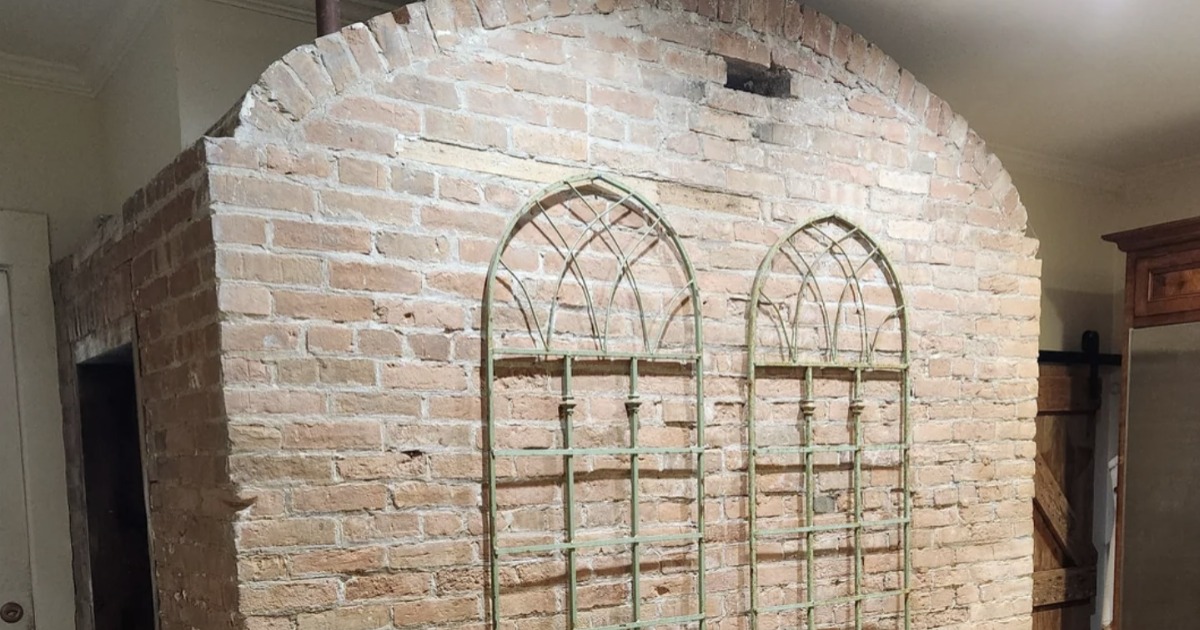
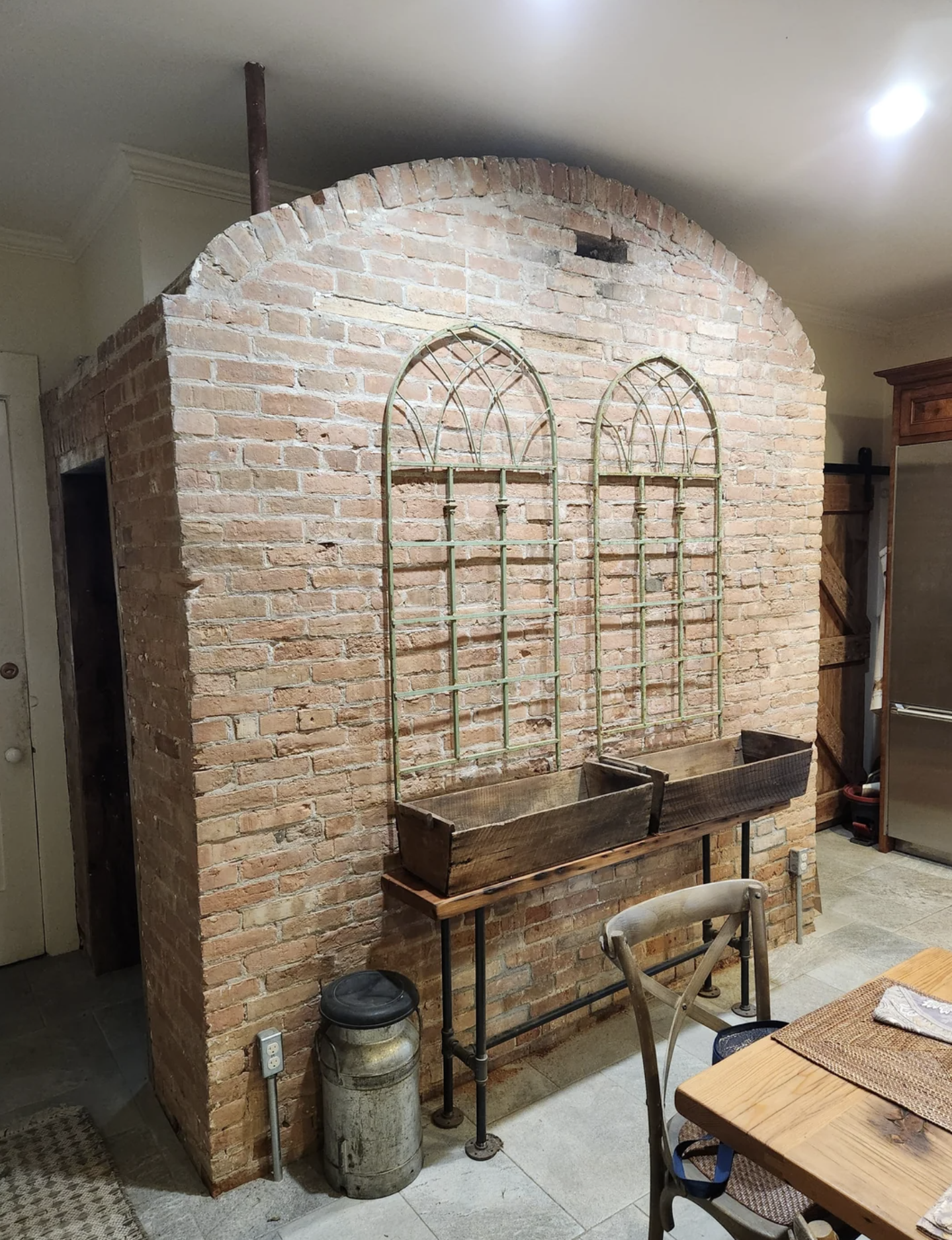
That same feeling can be obtained when a brick room with an arched ceiling is discovered in a house constructed in the year 1860, as it is with this particular home. This brick structure is not just a rather fanciful design feature; rather, it is a reminder of a time when men and women lived in conditions that were plainly drudgery, where life was far more labor-intensive and, it would appear, even more domestic.
The room could have been used for many things, but this is one of the oldest parts of the house, and its construction—brick walls and a high vaulted ceiling—suggests more practical use. Indeed, there are numerous examples of Southern homes from the 1800s when electric refrigeration and heating were unheard of and so the rooms’ purpose was to store heat or cold. They are essentially thought of and constructed with the utility aspect in mind, that they might well be used for food preservation, preparation, or even as a limited smokehouse.

The one likely possibility is that this was a root cellar or cold storage room. In the years prior to the invention of refrigerators in the twentieth century, homes required areas where vegetables and other foods that would spoil in cold months could be stored. Permitting only minimal air flow through small vents, the thick brick walls made the room cool and dry, which was ideal for storing apples and onions, amongst other things. Root vegetables were stored in wooden crates or barrels, something that several individuals from the 50s might still recall seeing, when aiding their own parents or grandparents, storing food for winter.
Another very plausible candidate is that the room was initially used for baking or curing food, and perhaps also for smaller-scale smoke-housing. It is therefore definitely probable that this was once a room with a chimney pipe above it, meant for smoke from a fire-burning oven or stove. Brick ovens in old homes took a prime position in everybody’s everyday practice. Some would bake bread, smoke meats, cook big feasts, or else, relying on the heat-retaining capacity of the brick. The more extravagant arched ceiling may appear to have been simply an aesthetic choice in modern terms, but it may have served a purpose for air flow or to contain heat.
Through these brick rooms, people have the opportunity to be acquainted with more than one use for homes under favorable conditions for survival. There is what people still refer to as frugal living, a time when people gave little regard to going out to buy packaged products. Every part of a home was utilized, and such spaces as this would be as important as the kitchen or the living room is today.

Over time, people no longer used a lot of these practical spaces for their intended purpose, or used them for other things. During the 1950s and the ‘60s, people in industrialized countries began using modern appliances such as refrigerators and freezers in the handling of their foods. Root cellars require earth to be directly in contact with food stuffs; hence, they became rare. The brick ovens were also phased out and replaced with the modern gaseous stove and electric stove. But to those children who were fortunate enough to grow up in a country home or in older houses, some of these rooms conjure up memories of early farming when families sat together to prepare food that they produced in their farms using what could be harvested and preserved in cans and jars.
For anyone fortunate enough to own or even ever come across such a room in a pre-1900 house, the potential of preservation is thrilling. It may transform into a beautiful pantry or wine cellar or even a place where one stores previously stored dated items; it can be preserved as part of its history yet be adopted to the contemporary way of life.
Still, it is impossible to deny the sense of consolidation that derives from having found some novel method of nurturing old buildings back into life. Whether it was a kitchen to store numerous jars of pickles or a room reeking of cured meats, this brick room is history made real to the teeth. Just like the old cellar my grandmother had, it is valuable as history, showing how houses and the people in them operated.
Such discovery can be useful to know that more than anything, homes embrace histories and aesthetics beyond the original framework of comfort they were designed for. And, perhaps, a suggestion to enjoy the kind of tales that can be found in every stone and bar.