This Forgotten Home Fixture Will Make You Rethink Modern Comforts!

October 3, 2024
Source: Reddit
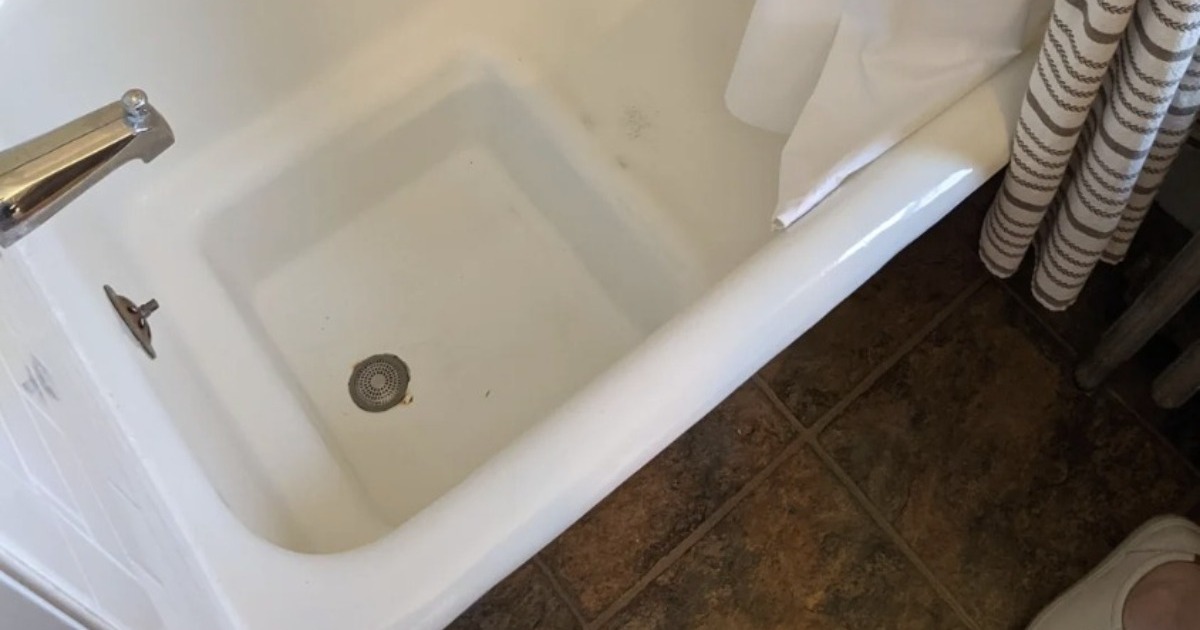
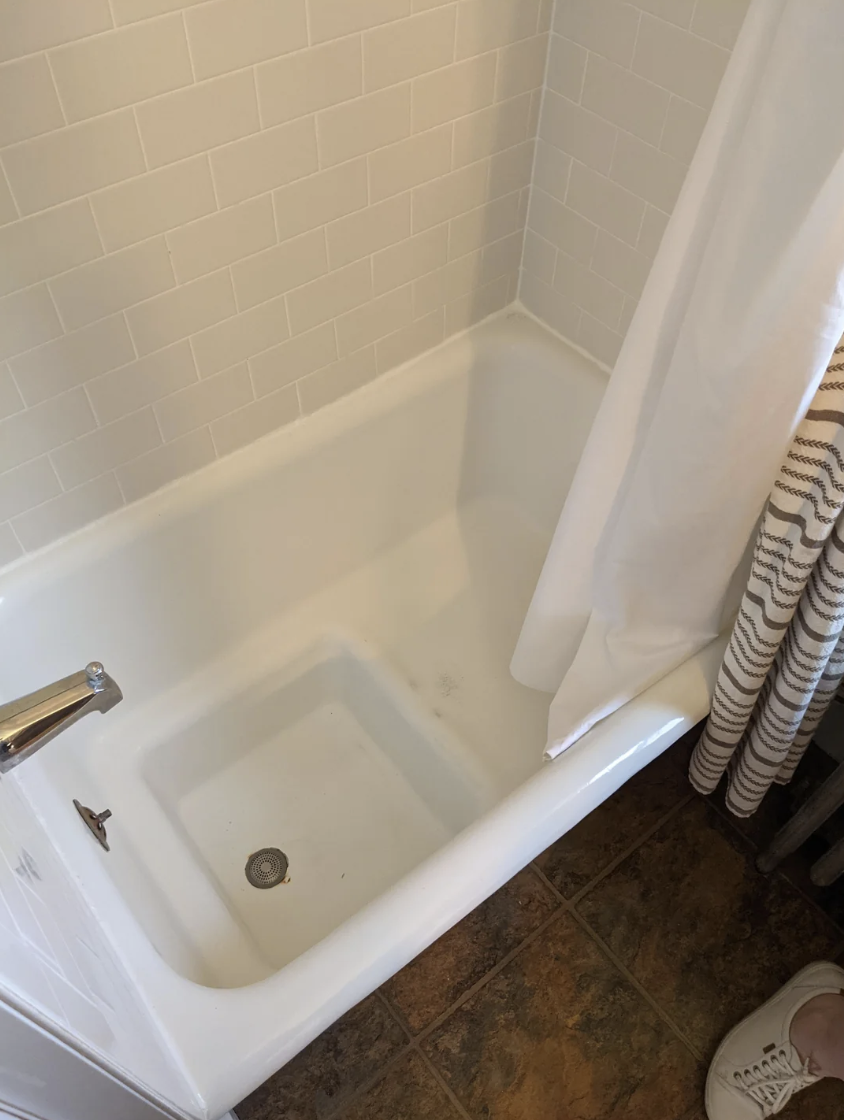
Do you remember the days when everything seemed designed for comfort and simplicity? Growing up, our grandparents’ house always felt like a treasure trove of peculiar items that spoke of different eras. In one of the smaller bathrooms, tucked behind the kitchen, was something we kids found both odd and magical—a compact bathtub with a deep, inviting seat. “That’s for your granddad,” Grandma would say, brushing off our curiosity. But it wasn’t until years later that I realized this quirky tub was a hip bath, a relic from a time when everyday tasks, like bathing, were adapted to fit both comfort and necessity.
These days, seeing a hip bath brings back a wave of nostalgia. The deep, half-sized tub may seem out of place in today’s world of sprawling bathrooms and walk-in showers, but there was a time when these fixtures were perfectly suited to the needs of the household. For many, this style of tub was practical—offering just enough room to soak the lower body, a popular form of therapeutic care for aching muscles, or simply a comfortable way to wash up in a small space.
Hip baths gained popularity in the late 19th and early 20th centuries, often found in smaller homes or apartments where space was at a premium. They were particularly common in homes with elderly residents, or those who might benefit from therapeutic soaking without the hassle of filling an entire full-size bath. In many ways, the hip bath was the predecessor to the modern-day walk-in tub, offering convenience, ease of access, and functionality.
Unlike today’s sleek, technology-laden bathroom fixtures, the hip bath was a straightforward affair. Its design was simple—deeper at one end, allowing users to sit comfortably with their legs stretched out. This meant less water usage, a faster soak, and for many, the perfect way to unwind after a long day. In a time when central heating wasn’t common and water heaters were far from what they are today, the hip bath allowed for a luxurious experience without the hassle of waiting for the entire tub to fill.
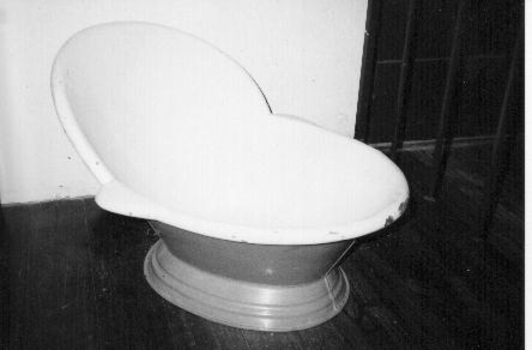
The cultural significance of the hip bath can’t be overstated. It served as a functional piece of household equipment at a time when most homes didn’t yet enjoy the modern conveniences we take for granted today. It also mirrored broader societal trends—particularly the growing importance of health and personal care in the late 19th century. With the advent of indoor plumbing, suddenly there was a shift toward prioritizing cleanliness and daily hygiene, making bathing easier and more accessible for the masses.
For many, the hip bath was more than just a place to wash up—it was an opportunity to unwind, reflect, and relax. It stood as a testament to the simplicity of a time when less was truly more, and when small, thoughtful design touches could make a huge difference in daily life.
In rural communities, where space and resources were limited, hip baths were often one of the few luxuries people could afford. They provided a much-needed escape at the end of a labor-intensive day. Women, especially, might take advantage of the hip bath after a long day of household chores, allowing themselves a rare moment of peace and quiet. This intimate connection to daily life is what gives the hip bath its cultural resonance, even today.
Now, when you come across a hip bath in an older home or see one in an antique shop, it might spark a sense of nostalgia. It’s a piece of history that reminds us of simpler times—when things were built for practical use, yet with an elegance that made even the smallest of tasks feel special. For many of us, it’s also a reminder of our grandparents’ home or that quirky old house we used to visit, where everything seemed to have its place and purpose.
Though you may not find many modern homes installing hip baths these days, their charm is undeniable. They evoke memories of a bygone era where even something as simple as bathing had a special ritual to it. In many ways, the hip bath’s revival today in vintage-inspired homes or boutique renovations reflects a longing for the grace and simplicity of the past.
So the next time you see a hip bath, perhaps you’ll take a moment to appreciate its design, its history, and the quiet joy it once brought to daily life. After all, it’s more than just a tub—it’s a reminder that sometimes the smallest spaces can hold the biggest comforts.