A Ball, A Ring, and the Science Behind It

January 22, 2025
source: eBay
Let’s take a trip back to science class. Remember those days of hands-on experiments, where simple Let’s rewind to those classroom days filled with curiosity and the clatter of lab equipment. Do you remember the thrill of simple experiments that made you feel like a scientist in the making? The thermal expansion demonstration is one of those unforgettable moments—a hands-on way to see a fundamental law of physics in action.
The Magic of Thermal Expansion
At its core, thermal expansion is beautifully simple: materials grow bigger when they get hotter. Heat makes atoms jiggle and move apart, taking up more space. It’s a concept that sneaks into everyday life more than you’d think—from loosening jar lids to the cracks in sidewalks on hot days. But seeing it demonstrated? That’s where the real magic lies.
What You’ll Need for This Experiment
This demo doesn’t call for fancy gadgets or a high-tech lab. Just a few trusty tools:
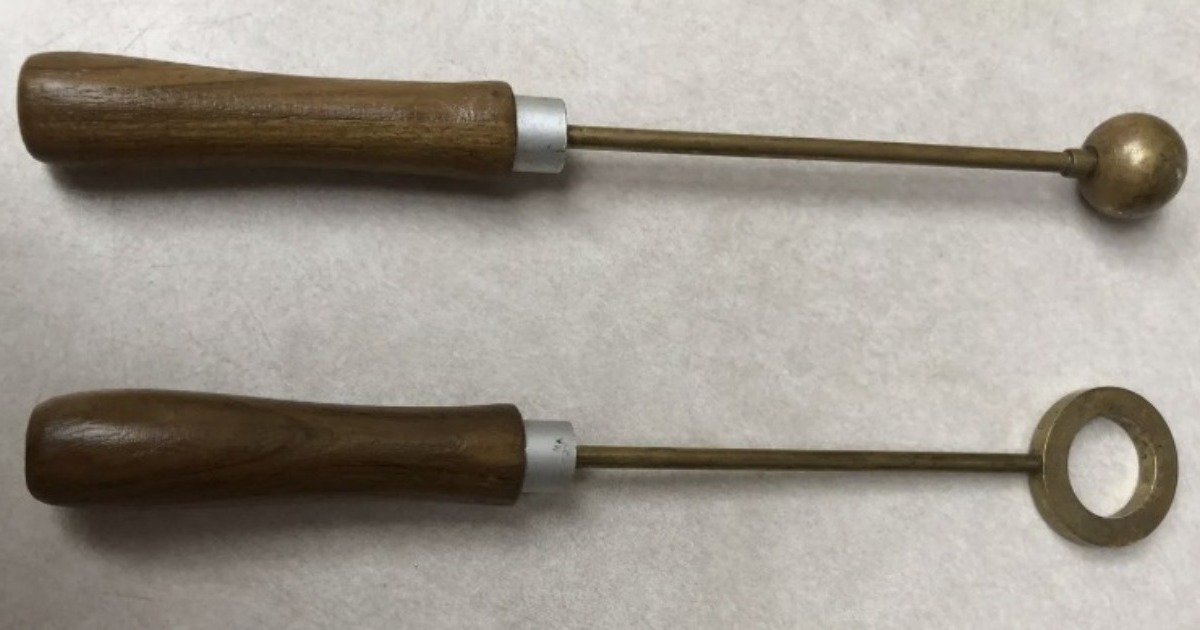
- A metal ball and ring: These are typically made of brass, sized so the ball can’t pass through the ring at room temperature.
- A heat source: Back in the day, it might have been a Bunsen burner, but a simple candle or hot plate works just fine.
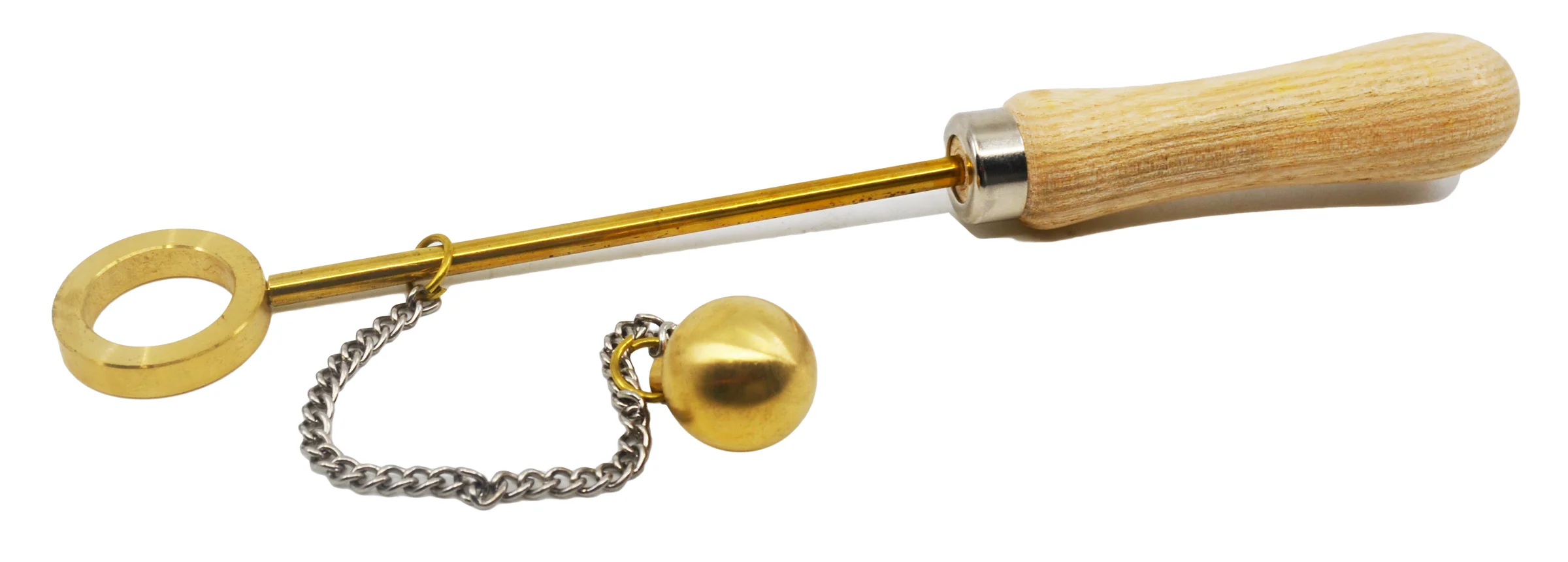
Some sets come with wooden or insulated handles—a small but thoughtful addition to keep your hands safe while working with hot metal.
Step-by-Step: Watching Science Unfold
This experiment might be simple, but the “wow” moment never gets old. Here’s how it goes:
- Start cold: Try to pass the ball through the ring at room temperature. No surprise—it doesn’t fit.
- Add some heat: Gently heat the ring using your flame or heat source. In just a few moments, the ring will expand, though you won’t see it happen.
- Test again: While the ring is still warm, try passing the ball through. This time, it slides right through, as if by magic. That’s the magic of thermal expansion.
- Cool down: Let the ring cool back to room temperature. Once it’s cooled, the ball won’t fit anymore. It’s like watching science hit the reset button.
Why This Little Experiment Packs a Big Punch
It’s easy to brush this off as a cute classroom trick, but it’s so much more. It’s a gateway to understanding how thermal expansion plays a role in everyday life:
- Bridges and railways: Ever noticed those little gaps in metal bridges or train tracks? They’re there to accommodate the natural expansion and contraction of metal with temperature changes.
- Practical hacks: Running a tight jar lid under hot water? That’s thermal expansion helping you out.
- Engineering feats: From skyscrapers to airplane engines, understanding how materials respond to heat is essential in design and construction.
A Nostalgic Nod to Science Class
For many of us, this experiment is a time capsule of childhood wonder. There’s something unforgettable about the moment when the ball finally slides through the ring. It’s the perfect blend of simplicity and discovery, making you feel like a scientist unlocking the secrets of the universe.
Today, with so much learning happening through screens and simulations, there’s a certain charm in holding the tools in your hands and seeing physics come alive right in front of you. It’s not just about learning facts; it’s about feeling the excitement of discovery and witnessing thermal expansion first-hand.
A Lesson That Stands the Test of Time
What makes the thermal expansion demonstration so special is how accessible it is. No need for fancy tech or expensive equipment—just a ball, a ring, and a bit of heat. Yet, the lesson it teaches is profound and enduring.
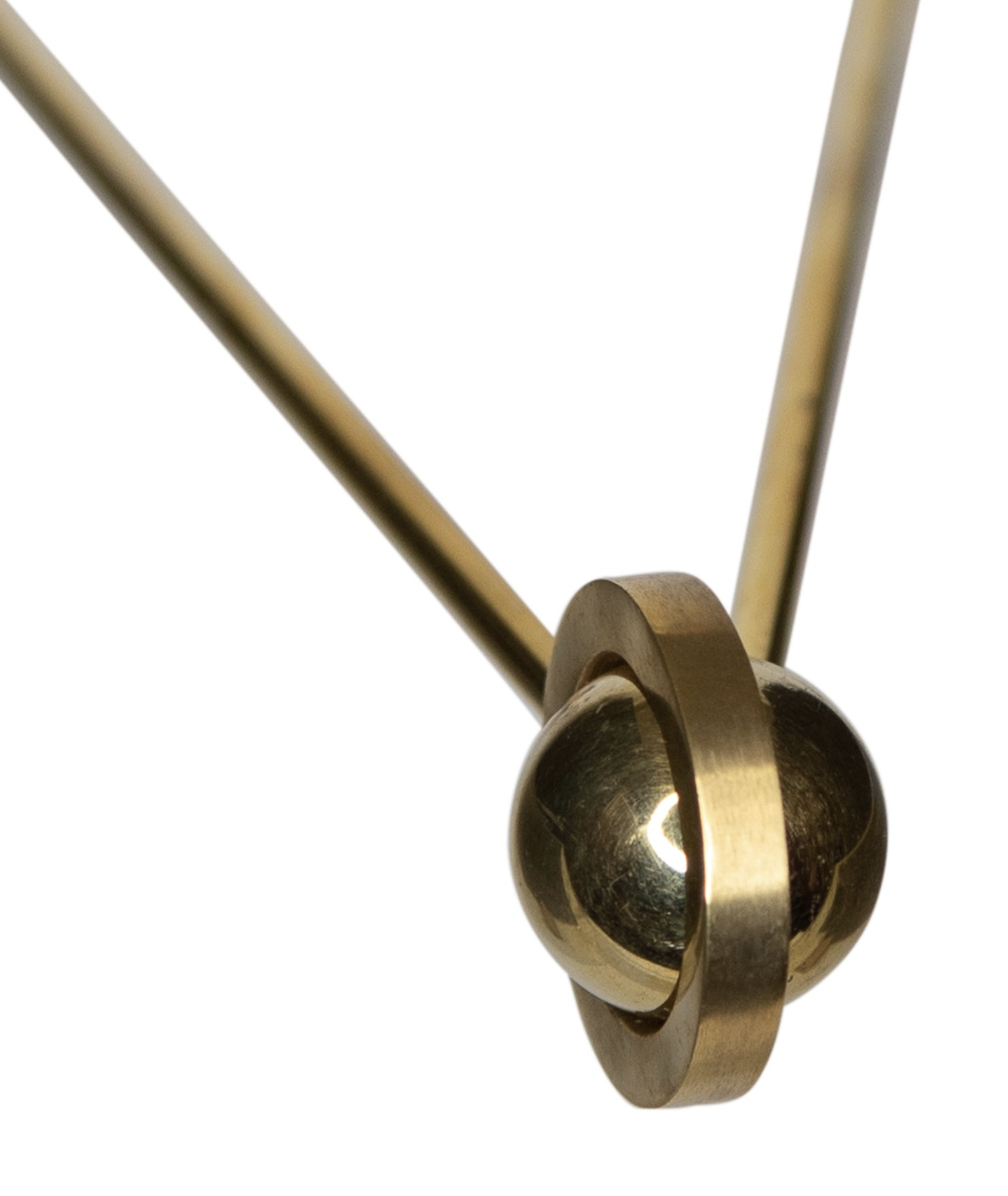
So, the next time you come across a metal ball and ring, don’t just see it as an old classroom relic. Pick it up, try it out, and relive the simple joy of science in action. Who knows? You might even inspire someone else to fall in love with the wonders of the physical world and the beauty of thermal expansion.