The Strangest Thing I Found

March 26, 2026
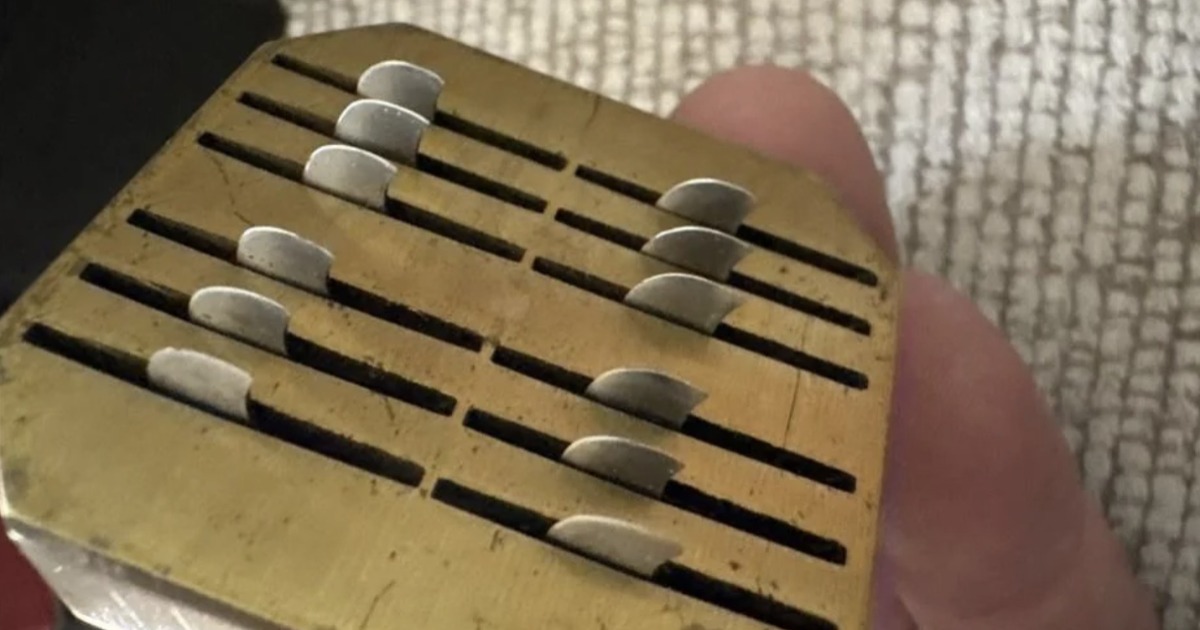
Source: Reddit
Garage sales are fun to shop at because you never know what you will get. Some things you purchase may be an old lamp. Others might be a box of broken tools. While others you purchase may be a nice-looking piece of metal, which appears to be expensive and somewhat frightening—like an antique scarificator.
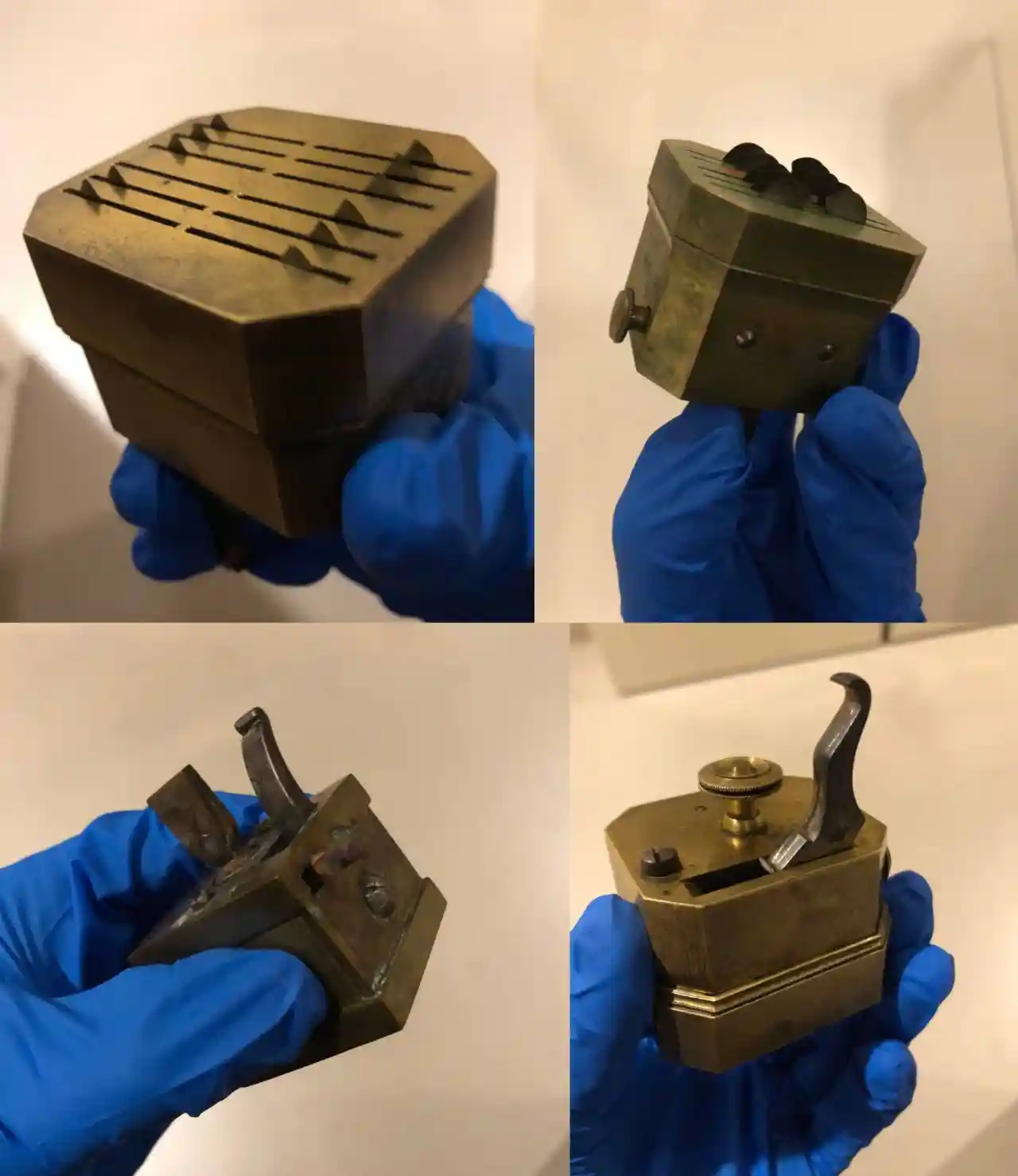
My experience shopping at garage sales was my introduction to the antique scarificator. At first I did not understand what the item was. The antique scarificator was a brass body with a lever, two adjustable knob mechanisms and rows of small blades exposed through narrow openings. Given the precision of the design, I thought it was unlikely that the tool was used randomly. Additionally, based upon the design, it seemed like something that should not be used on your body.
Given my instincts concerning the item being used as a medical device, my thoughts were correct.
What It Is
An antique scarificator is a bloodletting instrument designed to create a number of cuts in the patient’s skin at once. When activated, the tool contained spring loaded blades that opened outward and then rapidly returned. Small object with unpleasant intent.
Many examples of antique scarificators existed during the 18th and 19th centuries when bloodletting remained a relatively common practice in medicine. Although it seems today that such practices were horrifically inhumane; they were considered acceptable treatment options during these eras.
How It Worked
This is what causes most people to cringe when learning about the function of an antique scarificator.
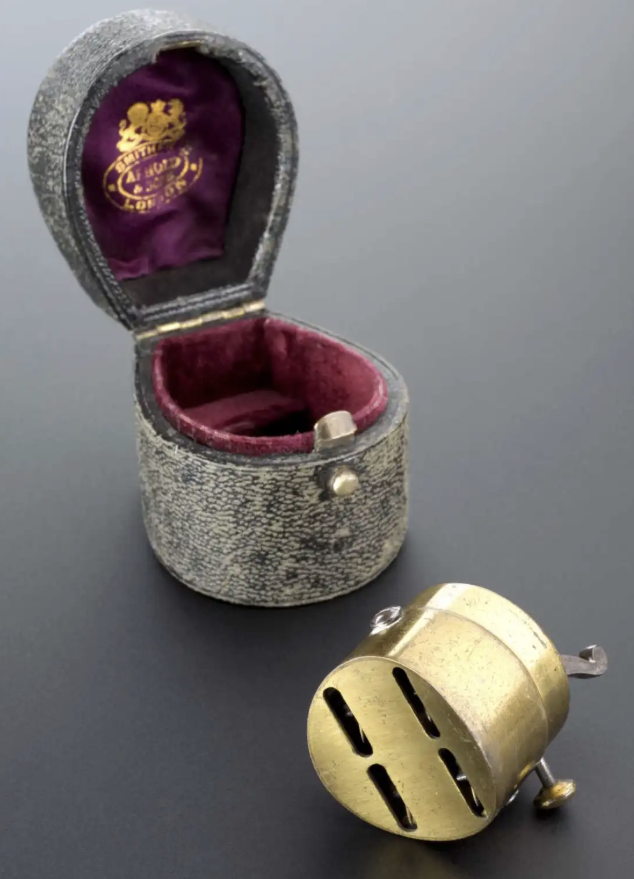
Inside the brass casing of an antique scarificator, there were numerous small blades. To activate the scarificator, a physician would position the tool against his patient’s skin, pull the lever to open the blades, allowing the physician to cut his patients’ skin. This was done using a rapid sequence of shallow cuts. Many physicians performed bloodletting prior to performing cupping to drain blood from their patients.
Yes, it was truly a portable mechanical device for creating multiple cuts. Clearly, medicine has evolved significantly since this type of medical treatment was practiced.
Additionally, some designs included adjustments to control blade length (to some degree). This accounts for the presence of knobs and other controls on many of the older versions of antique scarificators. Scarificators were created with precision, and clearly were intended to accomplish a single task.
Why People Used It
Although the use of antique scarificators seems bizarre today, bloodletting was actually commonly accepted as a form of treatment for hundreds of years. Physicians believed that it restored equilibrium to the patient’s body by removing “bad” blood.
The widespread acceptance of bloodletting lasted for a long period of time. This allowed manufacturers to mass-produce scarificators, and physicians to keep them in their medical bags as standard equipment.
This is what fascinates me regarding antique scarificators. They are not simply unusual items. They represent how acceptable treatments can appear reasonable in one era, yet appear barbaric in another.
Why It Stood Out
In addition to finding many old artifacts, few exhibit the same level of visceral reactions as antique scarificators do. Place an antique scarificator on a shelf and people frequently inquire about it within seconds of seeing it. Once you explain what it is, however, the atmosphere around the room changes dramatically.
There is also substantial display potential with an antique scarificator. The brass casing provides evidence of a high-quality craftsperson who put considerable time and effort into creating it. The visible blades provide instant interest. Furthermore, it represents craftsmanship, historical significance and sufficient malevolence to leave its mark on anyone viewing it.
No nostalgic feeling exists here — merely memories.
Why I Continued Thinking About It
What continued to weigh heavily on my mind was the disparity between appearance and application of the artifact. On one hand, the artifact is small, neat and even elegant in its overall design. However, its application was brutal. The difference between physical appearance and medical application lends significant weight to this artifact.
When holding onto the artifact you initially believe it may be some type of tool or perhaps some sort of odd mechanical device. But after learning that it was used as a medical device for bloodletting, everything changed in terms of perception.
Thus, garage sale purchases are fantastic opportunities. Some times you purchase an artifact while purchasing a story as well.
This time I purchased both.
Therefore, the above described unusual brass object is an antique scarificator: an early medical device utilizing bloodletting techniques consisting of a spring-loaded set of blades capable of making a variety of small cuts simultaneously. It is cleverly designed, disturbing and impossible to forget.