The Strangest Thing I Dug Up

July 14, 2026
Source: Reddit
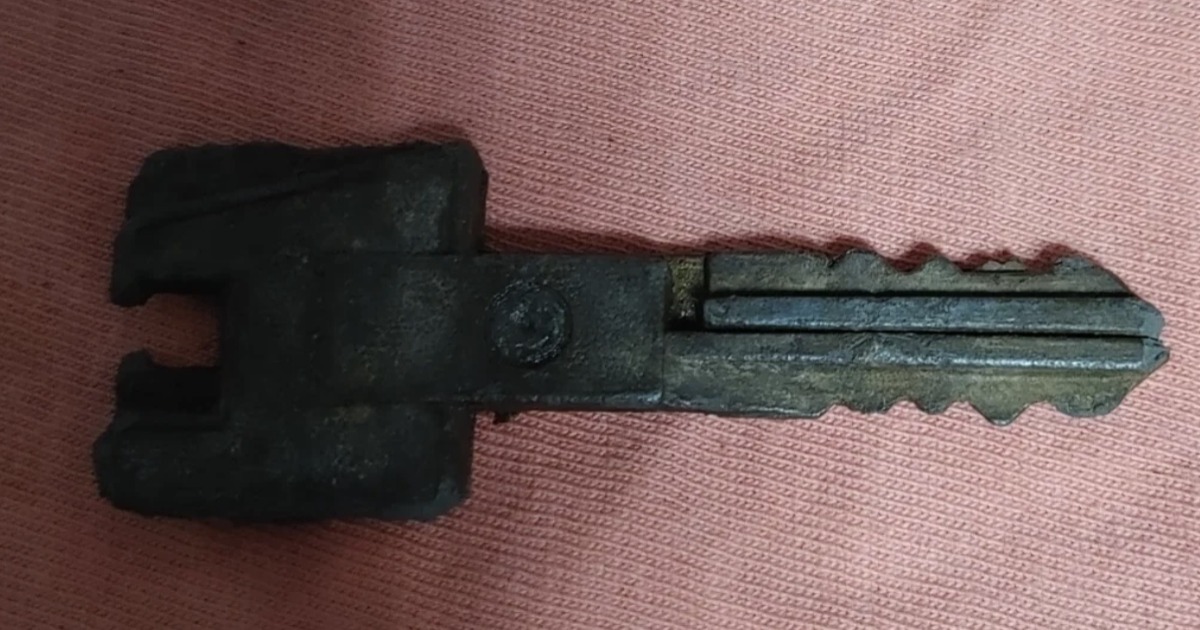
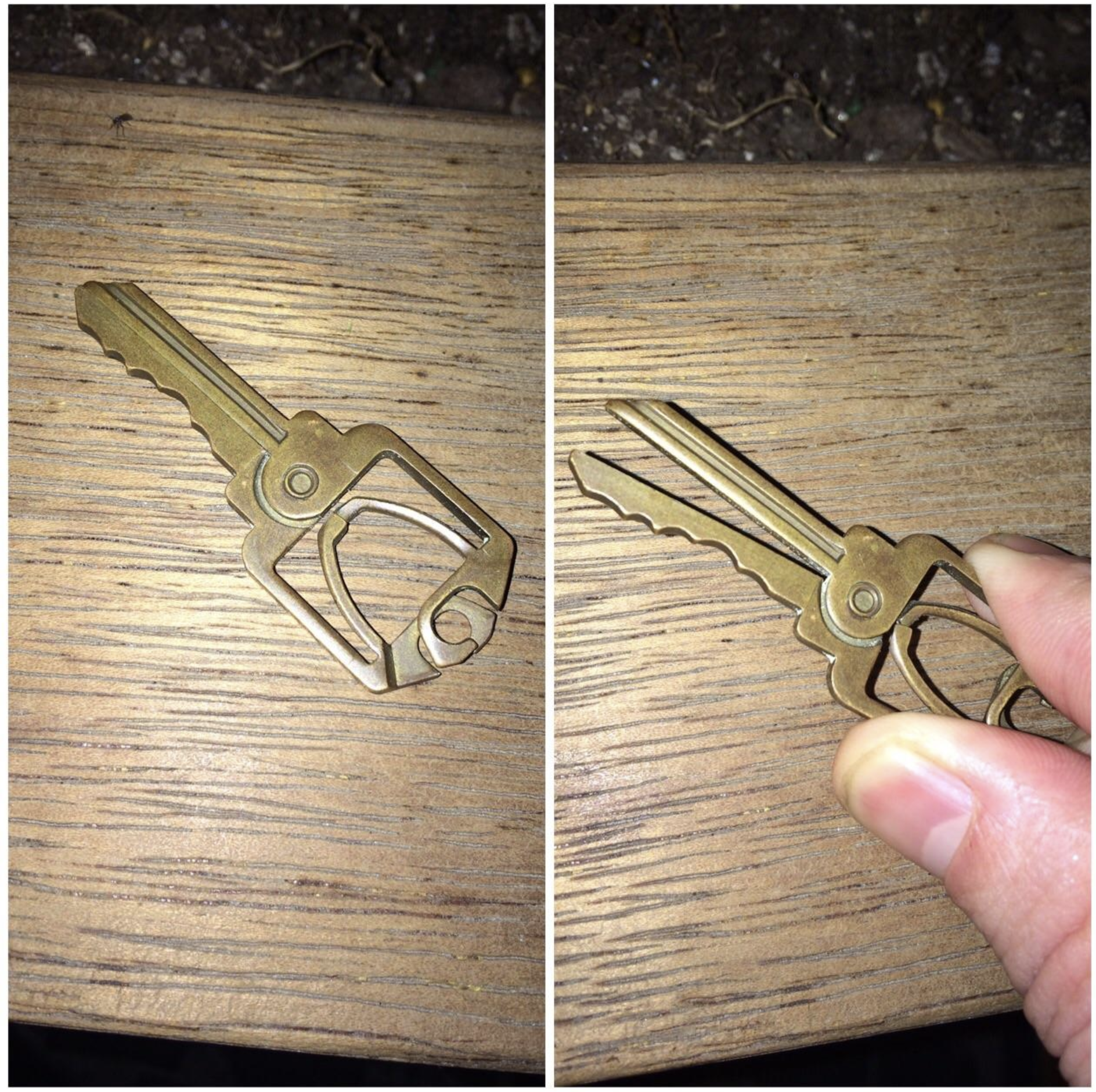
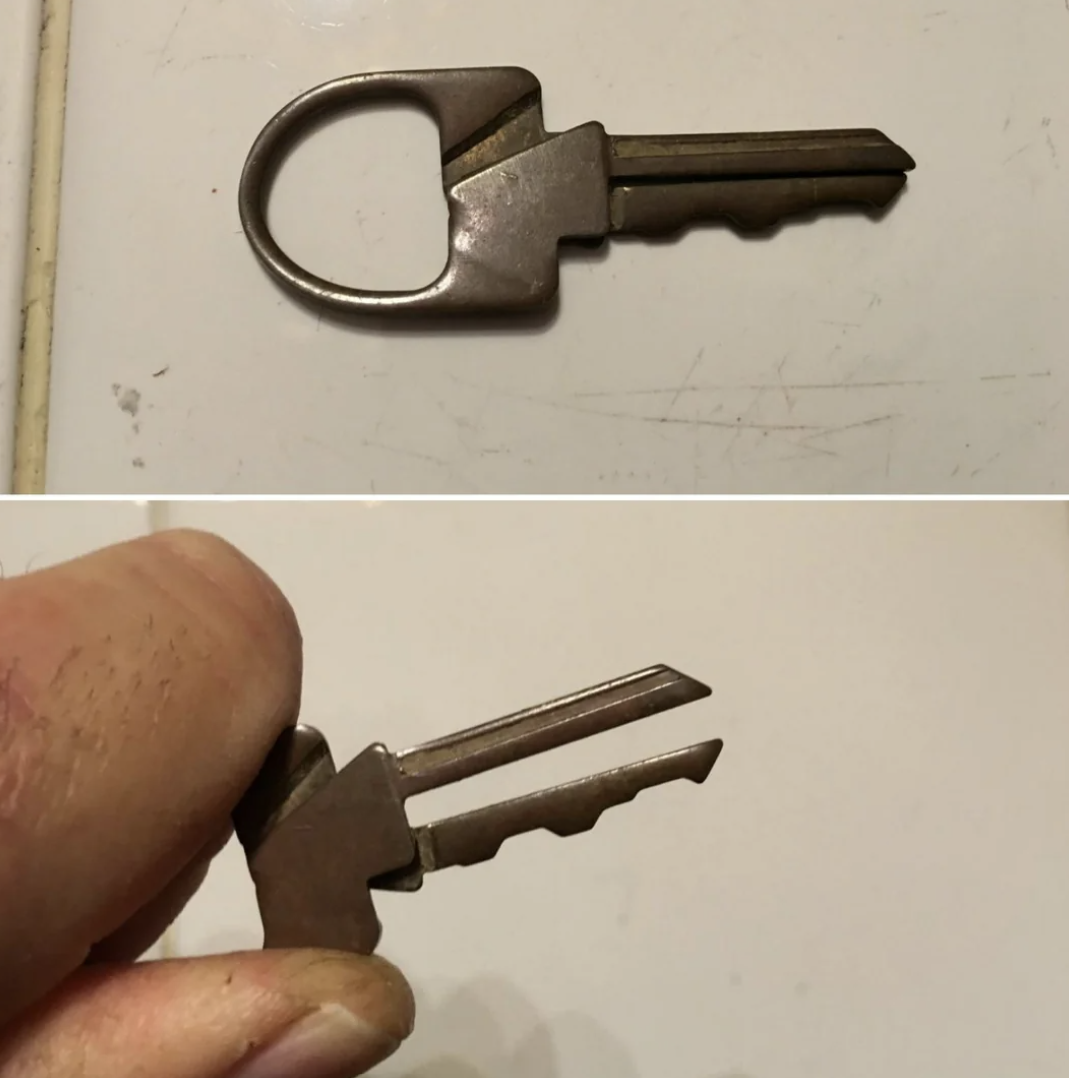
At first glance, it looked like an old key. It had a wide handle, a long metal shaft, and teeth along the edges. Then I noticed the shaft opened into two halves. Squeeze the handle, and the jaws separate. Let go, and the spring snaps them shut. So, not a key. The mystery object was a vintage key-shaped roach clip, most likely made during the counterculture era of the 1960s or 1970s.
That wasn’t my first guess.
What Is a Vintage Key-Shaped Roach Clip?
A roach clip is a small gripping tool used to hold the short end of a hand-rolled cigarette. Once it became too hot or small to hold comfortably, the clip kept fingers away from the burning end.
Many roach clips used simple alligator jaws. Others came decorated with beads, chains, feathers, or novelty handles.
This one was shaped like a key.
The broad head works as a lever. Pressing it opens the long jaws, while the spring closes them again. It’s a simple design, but the key shape makes it memorable.
It also helped the clip blend in. At a quick glance, it looked like a keychain charm or an odd piece of hardware.
Why Was It Hard to Identify?
Without context, the object resembles several things.
The serrated jaws look like a small clamp. The spring action suggests pliers. The broad end could pass for part of a suspender or stocking clasp.
A garment fastener seemed plausible at first. Those also use toothed jaws to grip fabric.
However, clothing clips usually have a clear place for attaching elastic or ribbon. This object does not. Its wide end acts as a handle, while the long jaws do the gripping.
Once I saw how the mechanism worked, the roach-clip identification made much more sense.
What Is It Made From?
The body may be zinc alloy or another inexpensive cast metal. Manufacturers often used those materials for novelty items because they were cheap and easy to shape.
The dark surface makes a precise identification difficult. Soil, corrosion, old plating, and worn coating can all change the color of buried metal.
A magnet test may offer a clue. Strong attraction would suggest iron or steel somewhere in the object. No attraction could point toward zinc, brass, aluminum, or another nonferrous alloy.
I wouldn’t clean it aggressively. A gentle rinse, a soft brush, and careful drying should remove loose dirt without stripping away the patina.
How Did It End Up in a Field?
There’s no way to know for sure.
Someone may have dropped it during a party, picnic, or outdoor gathering. It could have fallen from a pocket or broken loose from a keychain.
The field may also have looked very different decades ago. It could once have held a house, footpath, farm building, campsite, or local hangout.
Plowing can also move small objects far from where they were first lost.
Whatever happened, the clip stayed underground until a metal detector found it.
A Small Counterculture Relic
A vintage key-shaped roach clip probably has little monetary value, but it still tells a story.
It reflects the playful design of old smoking accessories. Instead of making a plain clip, someone turned it into a novelty key.
Then somebody lost it.
Years passed, the metal darkened, and the object became almost unrecognizable. Eventually, it surfaced again as a mystery find.
That’s what makes metal detecting fun. Coins and buttons often identify themselves. Strange objects make you work for the answer.
This little key never opened a lock, but it still unlocked a piece of the past.