The Pocket-Sized Mystery

May 4, 2026
Source: Reddit
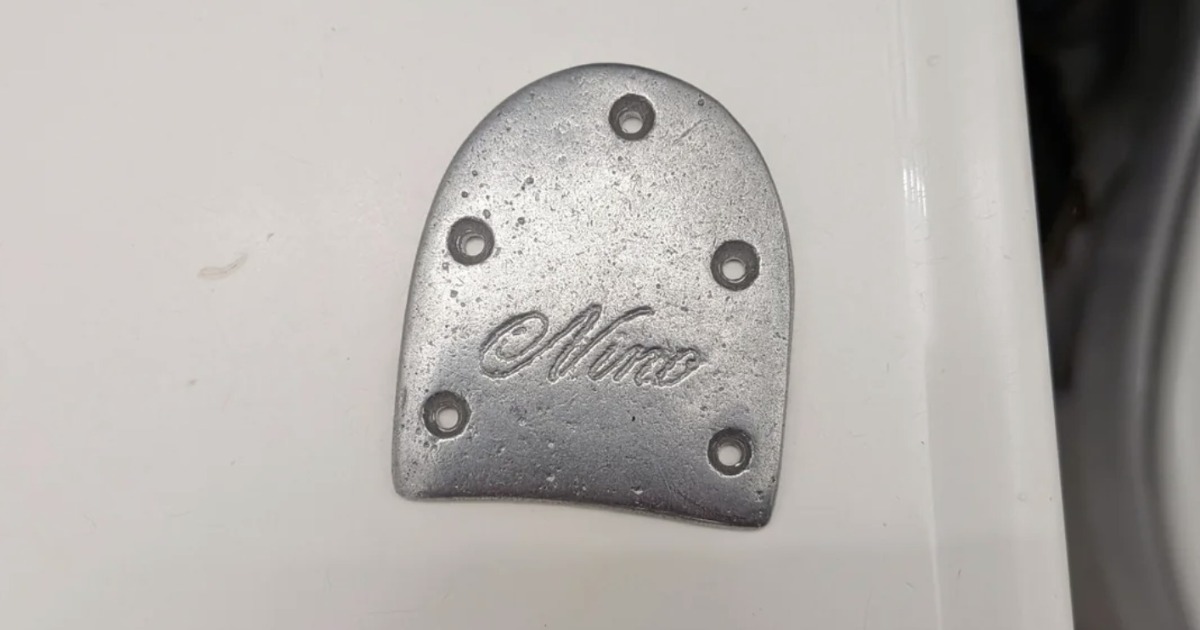
When I first saw this little metal piece, I had no idea what it was.
A washer? No.
A furniture part? Maybe.
Some random bit from an old toy? Honestly, that crossed my mind too.
Then I noticed the rounded heel shape, the screw holes, the lightweight metal, and the little cursive mark on the front. That’s when it made sense. It’s a vintage tap shoe heel plate.
Not the toe piece. The heel piece.
This small metal plate once attached to the bottom of a tap shoe. Every time the dancer dropped their heel, it made that sharp little clack that gives tap dancing its magic.
What Is a Vintage Tap Shoe Heel Plate?
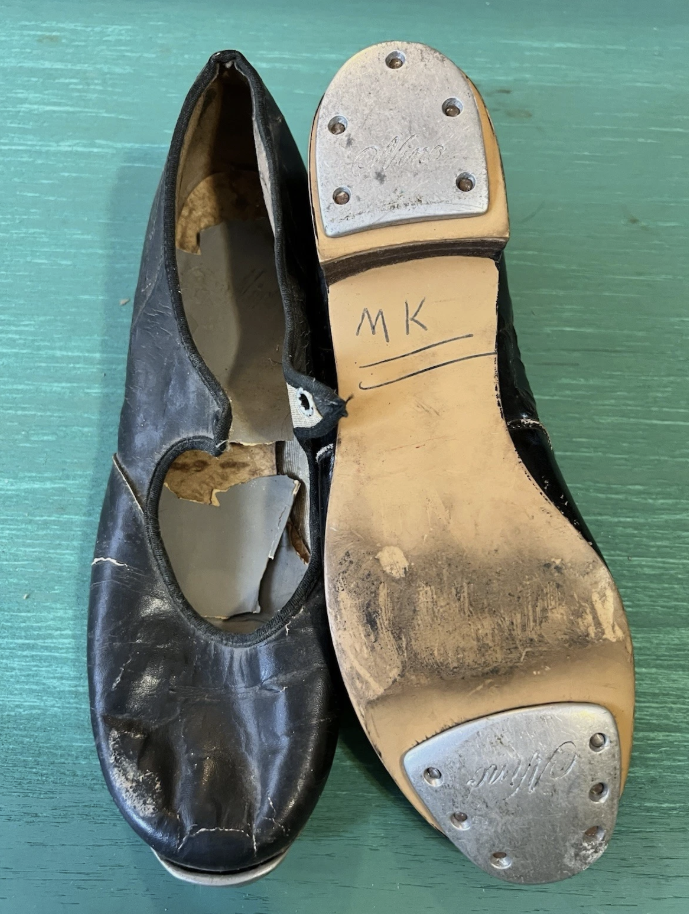
A vintage tap shoe heel plate is the metal tap that screws onto the heel of a tap dancing shoe. Tap shoes usually have metal plates on both the toe and the heel. Those plates turn footsteps into rhythm.
The toe tap handles quick brushes, shuffles, and lighter sounds. The heel tap adds weight. It gives the beat a punch.
This piece has five screw holes, which makes sense. A heel tap had to stay firmly in place. Dancers slammed their heels down again and again, so the plate needed a secure fit.
The metal is lightweight and non-magnetic, so it was likely made from aluminum or a similar alloy. That also makes sense. Tap dancers need sound, but they don’t need heavy shoes dragging them down.
Why This Little Tap Feels So Nostalgic
I can’t look at a tap shoe part without thinking of dance recitals.
The school auditorium. Folding chairs. Kids in sparkly costumes. Parents holding cameras. Someone backstage crying because their hat itched. There was always an itchy hat.
Then the music started, and suddenly those tiny shoes sounded huge.
That’s what I love about this vintage tap shoe heel plate. It’s not just a piece of metal. It’s a sound. It brings back wood floors, nervous dancers, bright stage lights, and teachers counting, “Five, six, seven, eight.”
Even if this exact piece never touched a big stage, it still belonged to that world.
A Small Part of Tap Dance History
Tap dance has deep roots in American performance. It grew from a mix of African, Irish, Scottish, and English dance traditions. Over time, dancers turned it into something bold, musical, and full of personality.
Tap became popular on vaudeville stages, in movie musicals, in dance schools, and on theater floors across the country. The dancer didn’t just move to music. The dancer made music.
That’s what makes this heel plate so interesting. It once helped create rhythm, it gave each heel drop a crisp sound. It helped a dancer speak through their feet.
Small object. Big job.
The Mystery Mark on the Front
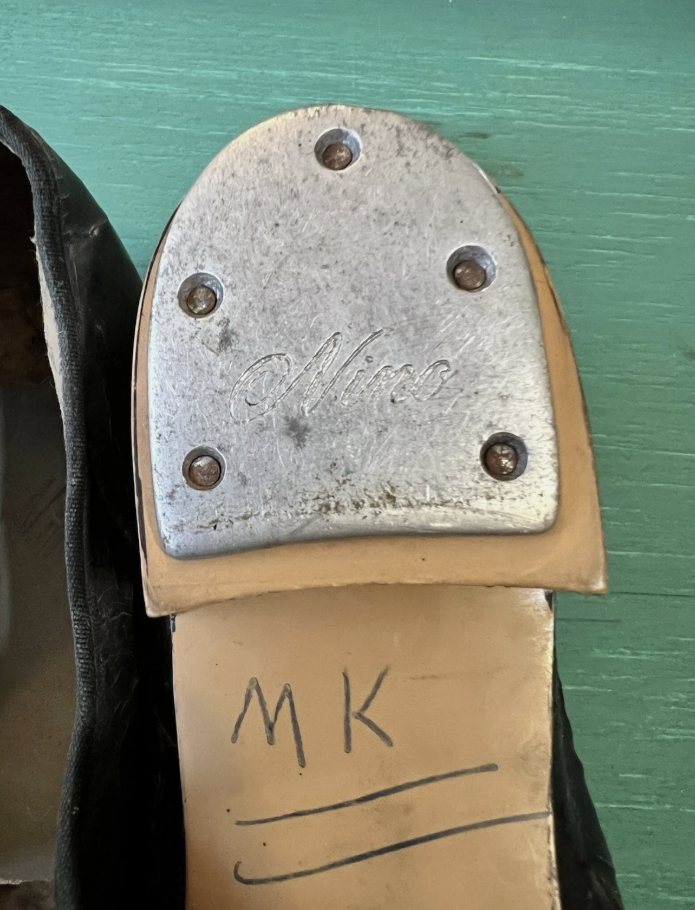
The front has a cursive mark that looks like “Nico,” though I wouldn’t bet my lunch on it. Old script logos can be tricky, especially after years of scratches and wear.
Still, that little mark gives the piece character.
It makes me wonder where it came from. A dance shop? A replacement pack? A child’s worn-out recital shoes? Maybe a parent screwed it onto a heel at the kitchen table while the kid bounced around, unable to stand still.
That feels about right. Kids in tap shoes never stand still. They test the floor. Every floor.
Kitchen. Hallway. Porch. Grocery store aisle if nobody stops them fast enough.
Why Someone Kept It
Old objects survive in funny ways.
This vintage tap shoe heel plate probably didn’t get saved because someone thought it would become collectible. More likely, it landed in a drawer or coffee can with screws, buttons, keys, and mystery parts.
Every house had one of those drawers.
You’d open it and find batteries, bread ties, a cabinet knob, three pennies, and something nobody could identify. But nobody threw it away because it might be useful someday.
And honestly, I like that. People repaired things. A tap came loose? Tighten it. A plate wore down? Replace it. The shoes still fit? Keep dancing.
A Tiny Piece of Music
So yes, this is a vintage tap shoe heel plate.
But it’s also more than that.
It’s a leftover piece of rhythm. A tiny part of a shoe that once made noise on purpose. It may have clicked across a studio floor, a school stage, or someone’s kitchen while a kid practiced just one more time.
That’s the charm of finds like this. They don’t need to be rare or expensive. They just need a story.
And this one still has rhythm in it.