The Old Tool Hiding in Driftwood

June 5, 2026
Source: Reddit
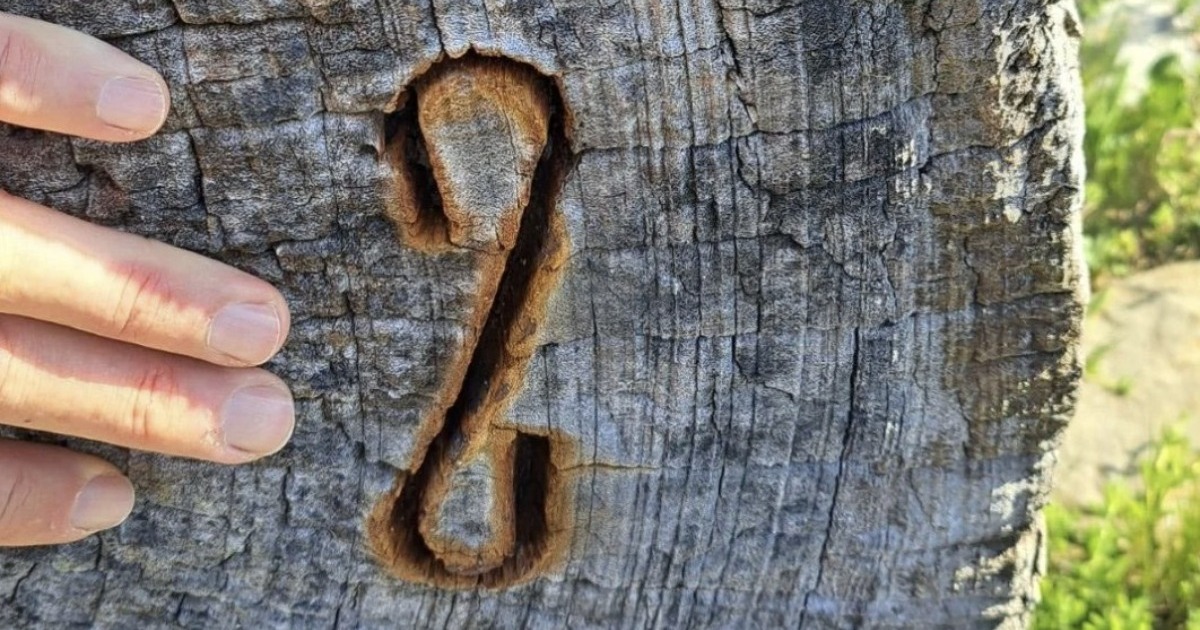
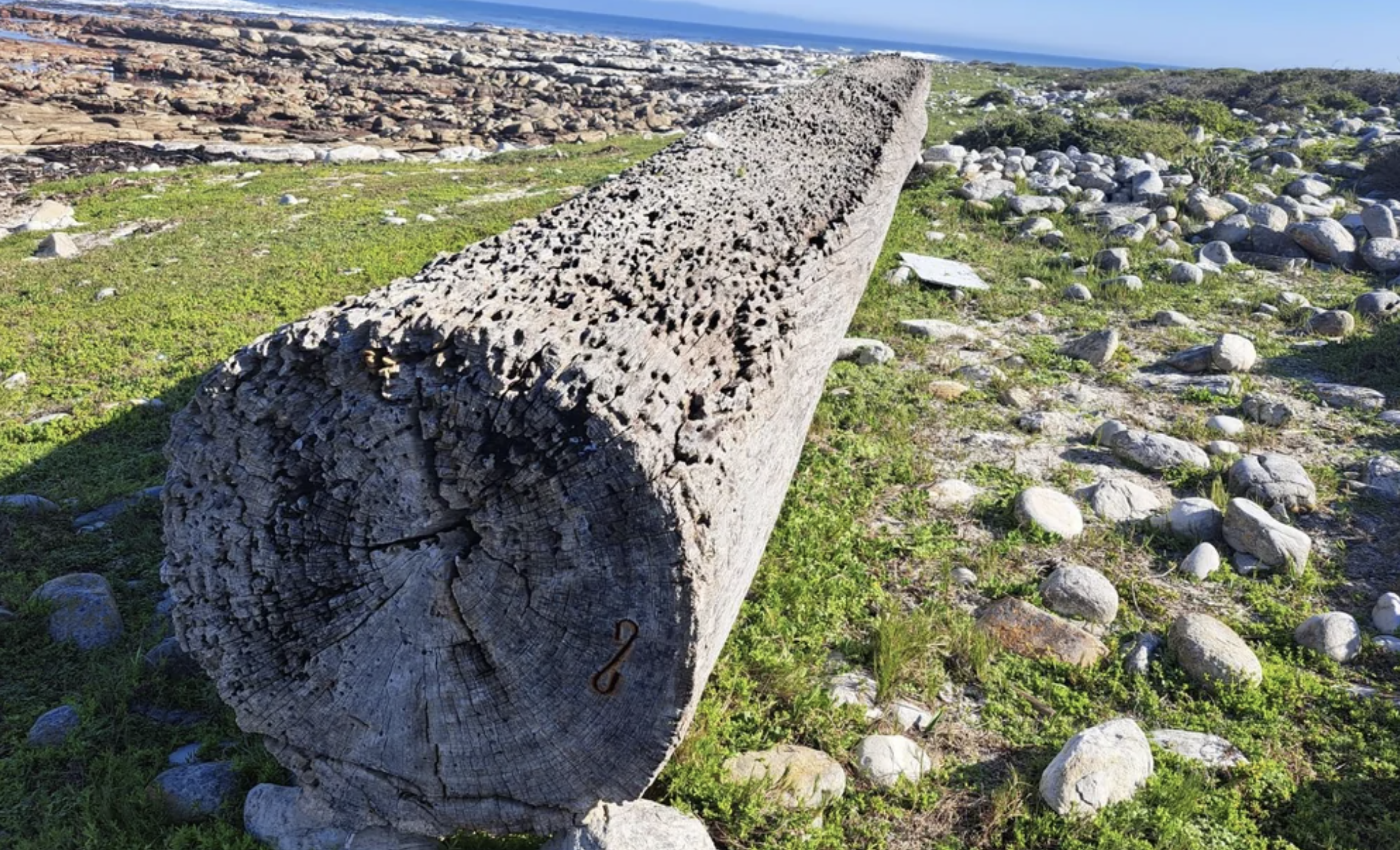
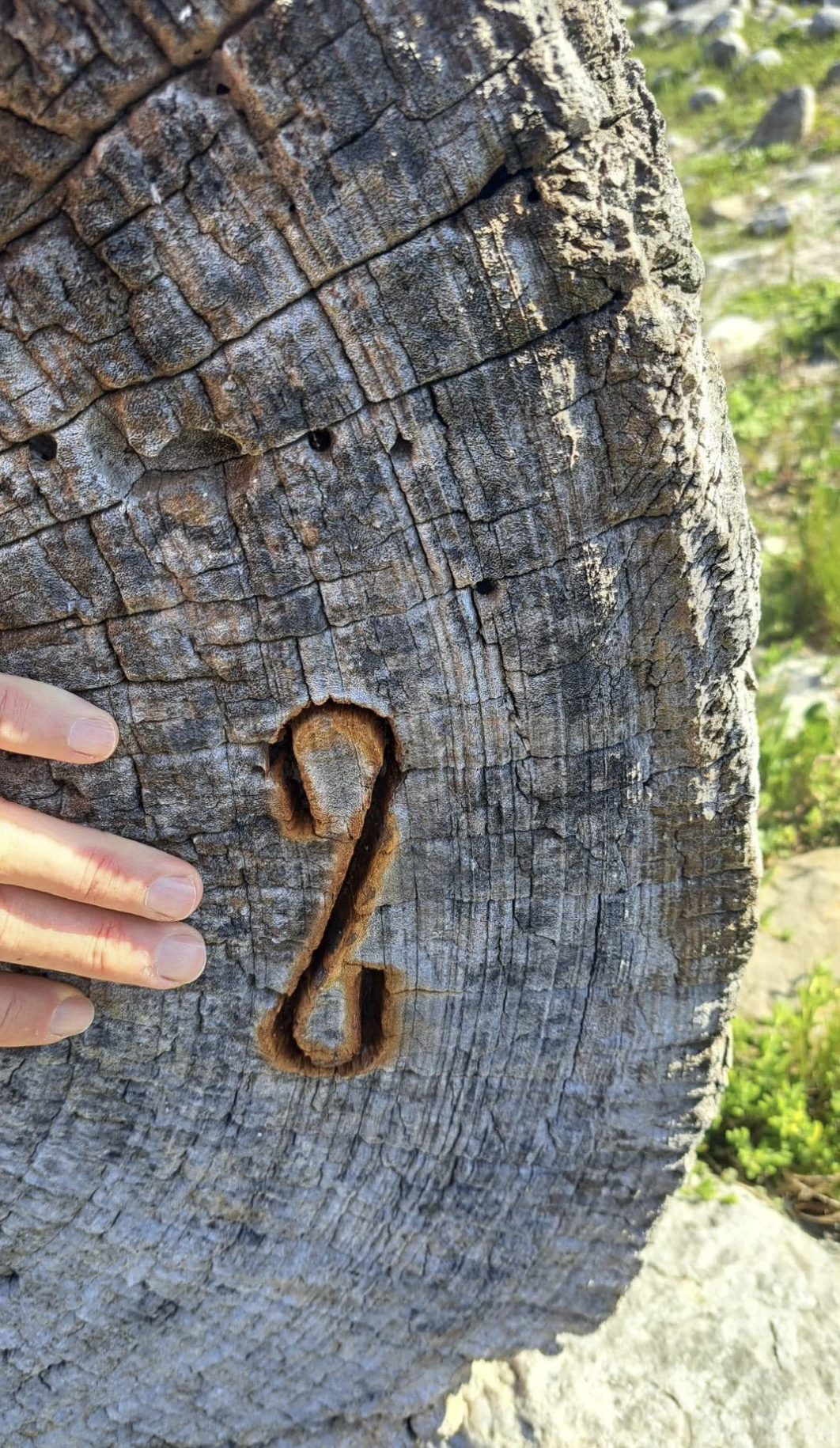
I love a good beach mystery. Not treasure maps or pirate caves. Just the odd little things that stop you mid-walk. A weathered log. A rocky shoreline. A rusty metal S hammered into the end. That metal piece is an S-iron log staple. Timber workers used it on freshly cut logs to keep cracks and splits from spreading as the wood dried.
Simple tool. Smart fix.
What Is an S-Iron Log Staple?
An S-iron log staple works like a metal stitch for wood.
When a fresh-cut log starts to split at the end, someone hammers the S-shaped iron across the crack. Each end bites into one side of the split. The curve helps hold the wood together.
It doesn’t repair the log. But it can stop a small crack from becoming a large one.
That mattered for valuable timber. A split firewood round isn’t a tragedy. A split sawlog can mean lost boards, weaker lumber, and wasted money.
Why Fresh-Cut Logs Split
Fresh-cut logs hold moisture. Once cut, they begin to dry.
The exposed ends dry faster than the inside. As the wood shrinks, stress builds. Then cracks appear in the end grain. These cracks are often called checks.
If you’ve stacked firewood, you’ve seen it. A solid-looking round develops thin lines. Later, those lines open wider.
An S-iron log staple helped control that damage before it spread deeper into the log.
Why the S Shape Works
The S shape gives the iron grip.
A straight piece of metal could pull loose as the wood dries and moves. The curves help anchor each side of the split. The iron holds tension across the crack, almost like stitching a tear in fabric.
Same idea. Bigger hammer.
That’s the charm of it. No fancy mechanism. No overthinking. Just iron doing a practical job.
How Did It End Up on the Beach?
The log likely started in the timber trade.
Someone cut the tree and saw the split. Someone hammered in the S-iron log staple to save the wood.
Then the log moved on.
Maybe it came from a river, a mill yard, a dock, or a storm-tossed pile of timber. Logs have traveled by water for generations, and plenty have escaped along the way.
Once loose, this one became driftwood. Salt, sand, sun, and marine life did the rest.
Not a bad retirement for an old log.
A Small Piece of Timber History
What gets me is how ordinary this object once was.
The person who hammered it in probably didn’t think much about it. It was just part of the job. Spot the crack. Set the iron. Swing the hammer.
Years later, that small rusty S still tells the story.
It says the log was worth saving, it says someone knew how wood behaved as it dried. It says old tools didn’t need to be complicated to work well.
Why Finds Like This Stick With Me
I like objects that show use.
Dented tools. Rusty hardware. Old nails. Weathered wood. Things that worked hard and stuck around.
The S-iron log staple belongs in that group. It wasn’t decorative, it wasn’t fancy. It solved a problem.
That’s what makes it nostalgic. It points back to a time when people repaired, braced, stitched, and saved materials because they had to. And because it made sense.
The Answer Behind the Rusty S
So, the metal S-shape hammered into the end of the washed-up log is an S-iron log staple.
Timber workers used it to stop cracks or splits in freshly cut logs from getting worse as the wood dried.
That’s the practical answer.
The better answer? It’s a small leftover from an old working life. A piece of timber history, carried by water and time, waiting for someone to notice.