The Old-School Feature Hidden Behind the Wall

March 26, 2026
Source: Reddit
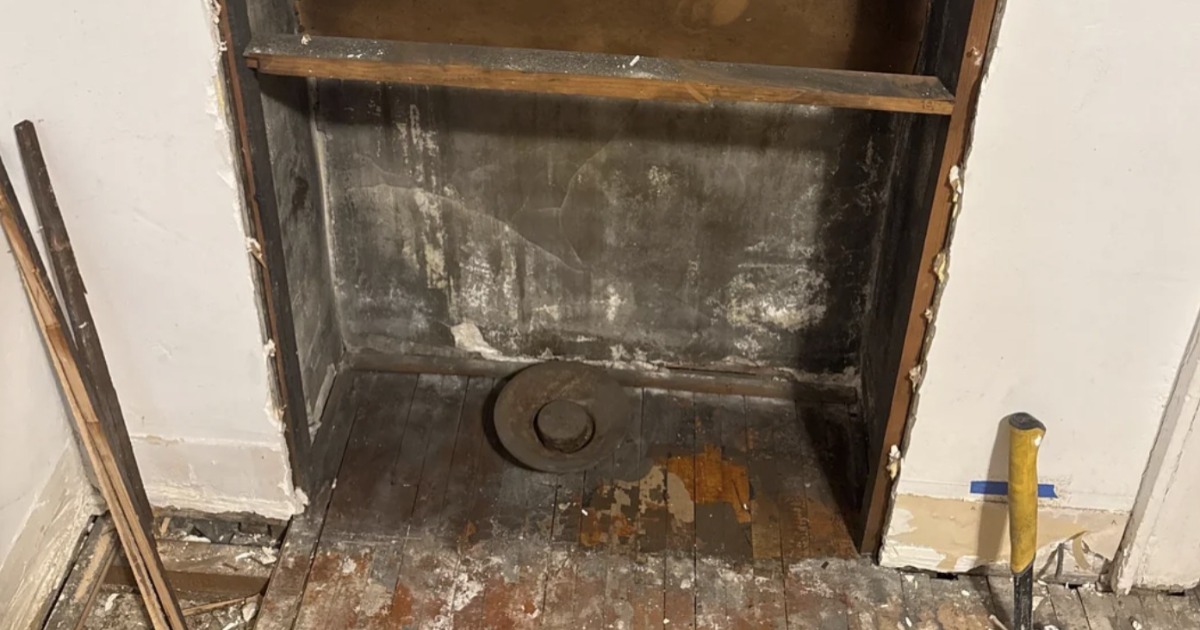
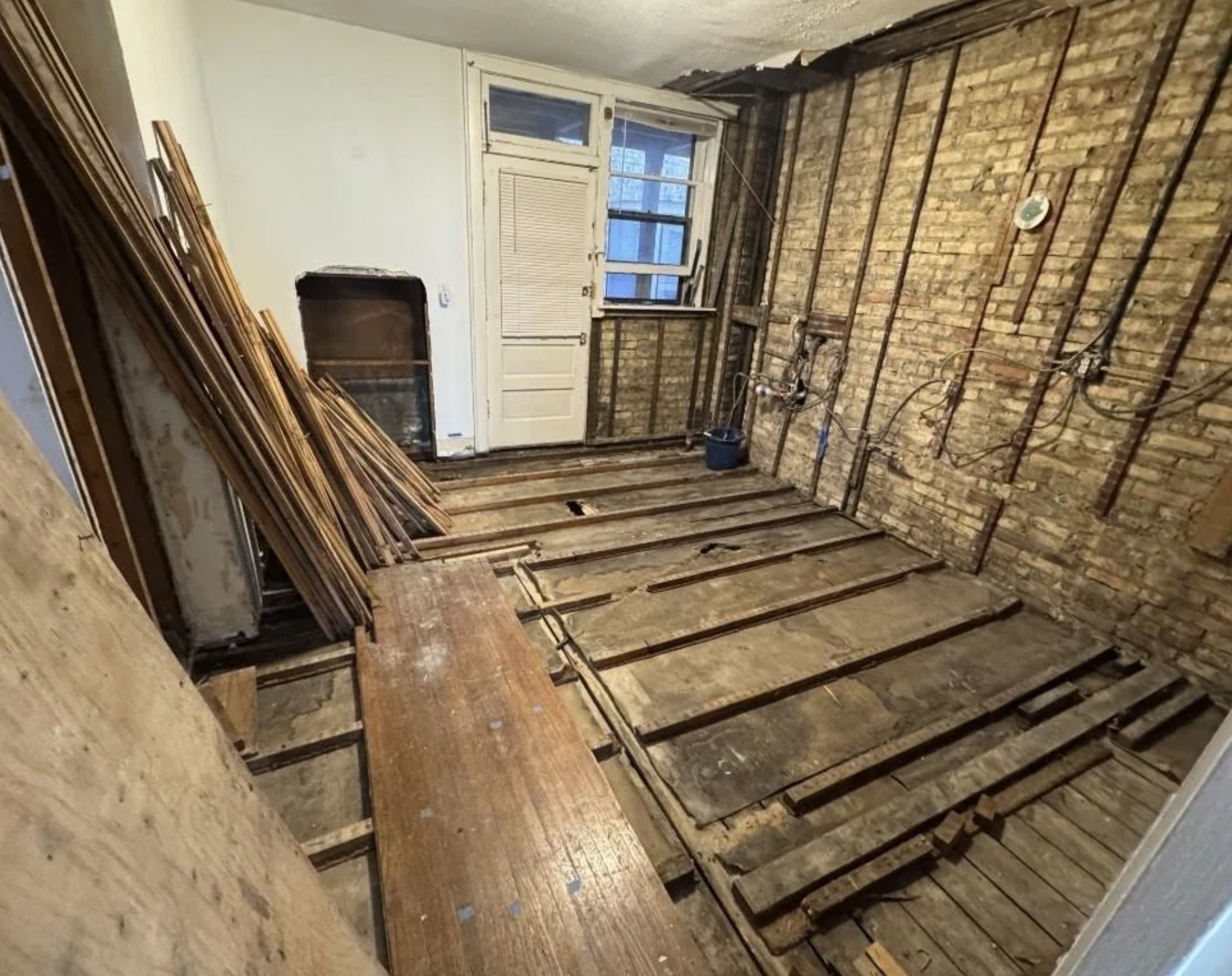
When I work with older homes, I love them because they rarely ever give you just “one” project. When you open a wall thinking you’re going to get a mess of old paint, dusty areas, and bad design choices…you end up finding a whole chunk of your life sitting right there. That’s what happened in this renovation of this kitchen in Chicago. When we opened the wall in the kitchen, we found a metal-lined space. At first glance, rusty and worn out. Easy to miss read. Once the shape and the area fit together, it was obvious: remnants of a built-in ice box in a Chicago kitchen.
Finds like those get me excited. Not because they are flashy. They aren’t. Because they show practical history. And I think that type of history is some of the best, especially when you discover a built-in ice box hidden in an old wall.
Why Does It Fit?
The location is the biggest clue. This old unit was located next to the back porch of the house, which would have been the perfect place to put a built-in ice box if you lived in an older Chicago home. Ice men delivered from the outside via a smaller door on the back of the house and did not have to walk into your home. Therefore, it made the entire system much easier for all parties involved.
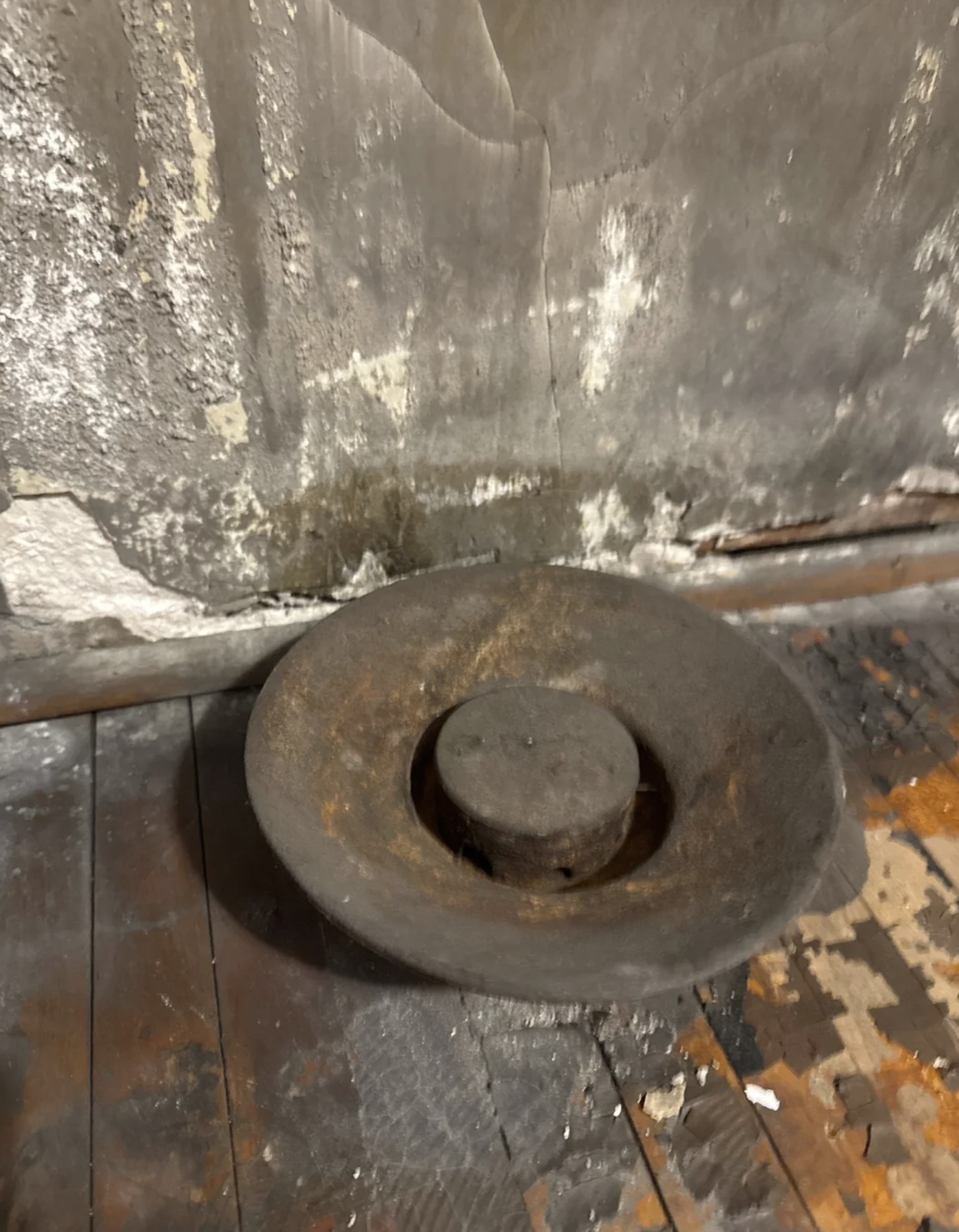
Additionally, the metal lining fits perfectly. Built-in ice boxes had to be able to withstand extreme temperatures (cold), humidity, and constant water drip (from melting ice) to function properly. Regular wall niches did not have to be able to do any of those things. There is also the fact that the bottom floor section has a missing spot to cover a drain pan. Where else could meltwater possibly flow? Older homes were designed to solve many very specific problems.
As soon as you realize what it is, then everything makes sense. Moreover, anyone experienced with vintage kitchens will recognize the unique features of a built-in ice box immediately.
How Did It Work?
Prior to having a standard household appliance such as a refrigerator, families stored frozen products (usually large blocks of ice) in an upper compartment of the icebox. Food would sit underneath. As the ice in the upper compartment would melt and create cold air, the cold air would drop down into the lower compartment and chill the food.
Very simple but heavy duty, literally.
People always say “those were simpler times”. True, perhaps. However, people also hauled massive blocks of ice through Chicago alleyways at 5 am while the rest of the city was still asleep.
However, the system worked well enough to store milk, butter, leftovers, etc. until they could be consumed.
Why Is It Important?
Built-in ice boxes in kitchens in Chicago tell you how an actual home functioned. That is why they are fascinating. These are not simply old features that have been left behind in walls of plaster. They reveal how families managed their day-to-day lives prior to modern conveniences taking over. For those interested in restoring period authenticity, finding a built-in ice box can add a unique touch to a kitchen renovation.
It is easy for me to envision how this worked. The ice man comes to deliver ice. He delivers it to the top of the porch. Later someone in the kitchen opens the inner door and moves food around to take advantage of whatever cold air exists. It doesn’t happen quickly. Simply normal life however that’s exactly why it seems so vivid.
There is no better way to make the past seem less like a museum than old-home finds that help us visualize how families’ days unfolded.
Why I Enjoy Finds Like This
What I like best about a built-in ice box in a Chicago kitchen is that no one made it appealing. It was there to complete its task. Keep food cold. Handle meltwater. Deliver ice from outside. That was it.
Years later it is appealing due to its honesty. You can see the reasoning behind it. You can almost see who handled it. You can envision the rhythm of the family’s daily routine surrounding it. Incidentally, having a built-in ice box is now a rare reminder of how far kitchens have evolved.
No matter how nice I think this is, I’m not trading my refrigerator for a block of ice and a drain in the wall. We will remain rational. I simply appreciate being reminded that older homes were full of intelligent systems; and many of them were built with far more forethought than people believe.
This is why this find lingers with me. It’s not simply a weird metal space in a wall. It’s a small but tangible piece of everyday Chicago history, that was hidden in plain sight, until someone finally opened the wall.