The Mystery of Sidewalk Metal Caps

December 11, 2025
Source: Reddit
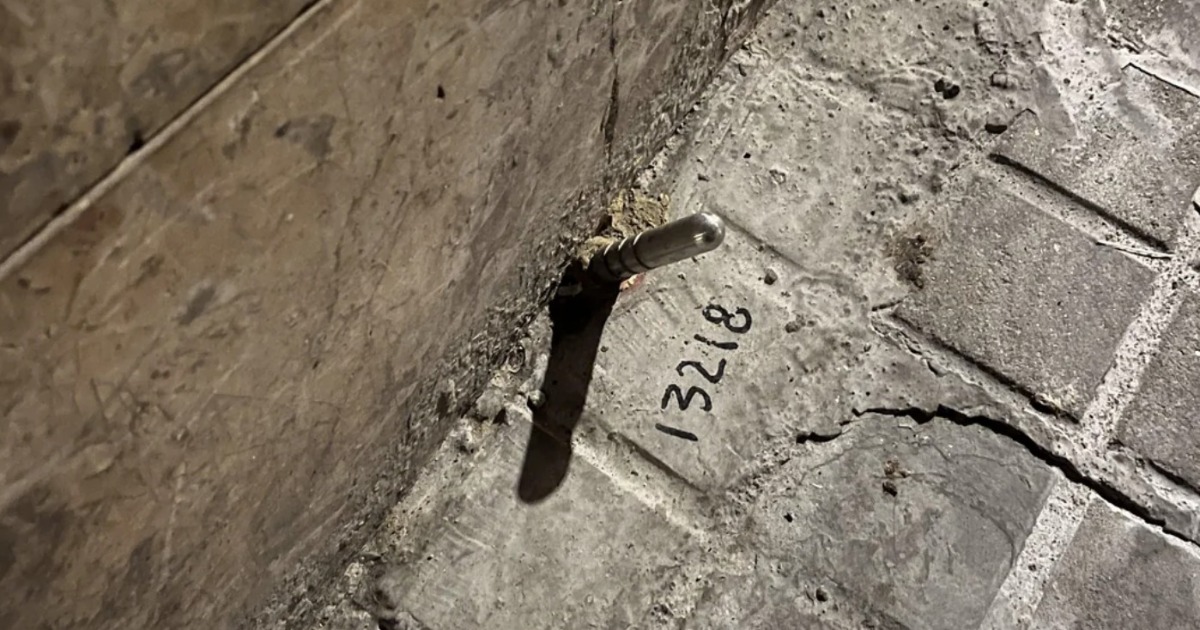
You can find them in many older city sidewalks like those found in Barcelona. Small metal caps sit on top of the sidewalks near the walls of the buildings. These may be numbered and placed into either stone or tile.
These are the termite injection ports which serve as part of the overall system for protecting buildings from termites and other pests. They allow for the direct delivery of pesticides into the ground.
What Are Termite Injection Ports?
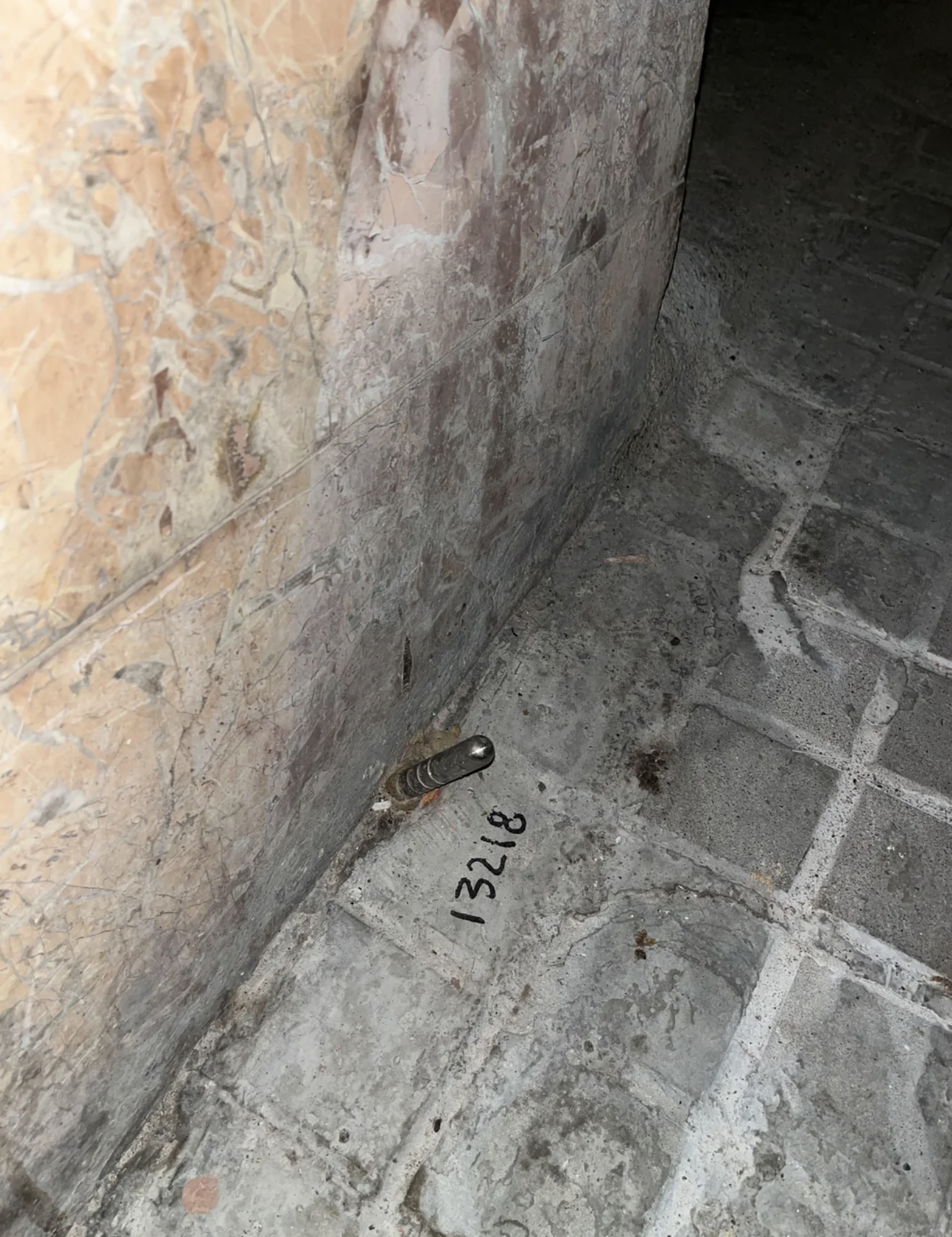
These small metal tubes, usually covered with a protective cap, are used as the point of entry for applying termiticides (pesticides) or other types of pest control applications. Most of these injection ports will be located around the perimeter of a structure. They are targeted at the areas in which it is most likely for the pest to enter the structure.
Once it has been determined that a treatment is necessary, the professional will remove the cap from the tube. Then, they connect a hose to allow for the application of pesticides directly into the soil or to the area known as the foundation zone.
By using this method, the homeowner does not have to incur the cost of additional drilling in order to administer the pesticide treatment again. This keeps the sidewalks intact, limiting the amount of disruption caused by the treatment process.
Why Are the Termite Injection Ports Located In The Sidewalk?
Due to the nature of older construction in urban areas, and the limited space available within the streets themselves, the sidewalk provides the best means of accessing the foundation zone of the building.
Termites and other types of pests generally gain access to structures via the underside of the structure. Therefore, perimeter treatment is required to ensure that the pest cannot enter into the structure through the foundation.
Termite injection ports provide a chemical barrier that protects the structure from being invaded by pests through the foundation.
What Do the Numbers On The Termite Injection Ports Mean?
A common practice associated with termite injection ports is for each port to be labeled with a unique number such as “13218.” The purpose behind labeling the ports with a unique number is to enable pest control companies to:
- Keep track of exactly where the port is located
- Keep a record of when and what type of treatment was administered at that particular port
- Create a systematic plan for future visits and treatments
With this information, the pest control company can maintain a comprehensive program of pest control services. This will provide complete coverage of the property.
More Than Just For Termites
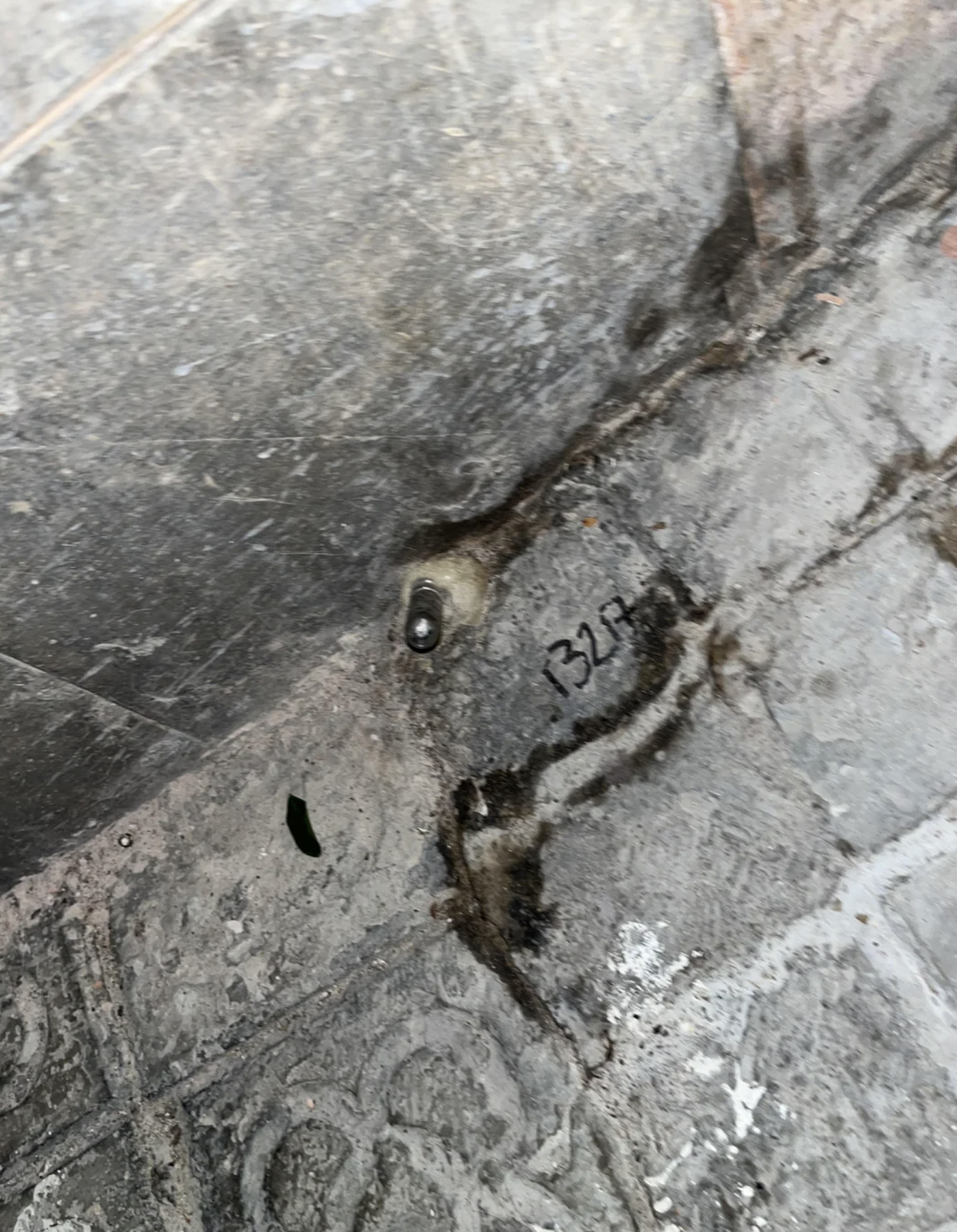
Although the primary function of termite injection ports is for controlling termites, they are also utilized for controlling ants, cockroaches, and other subterranean dwelling insects and rodents. Termite injection ports are commonly included as a component of integrated pest management programs in both residential and commercial properties.
Hidden Pest Control Network
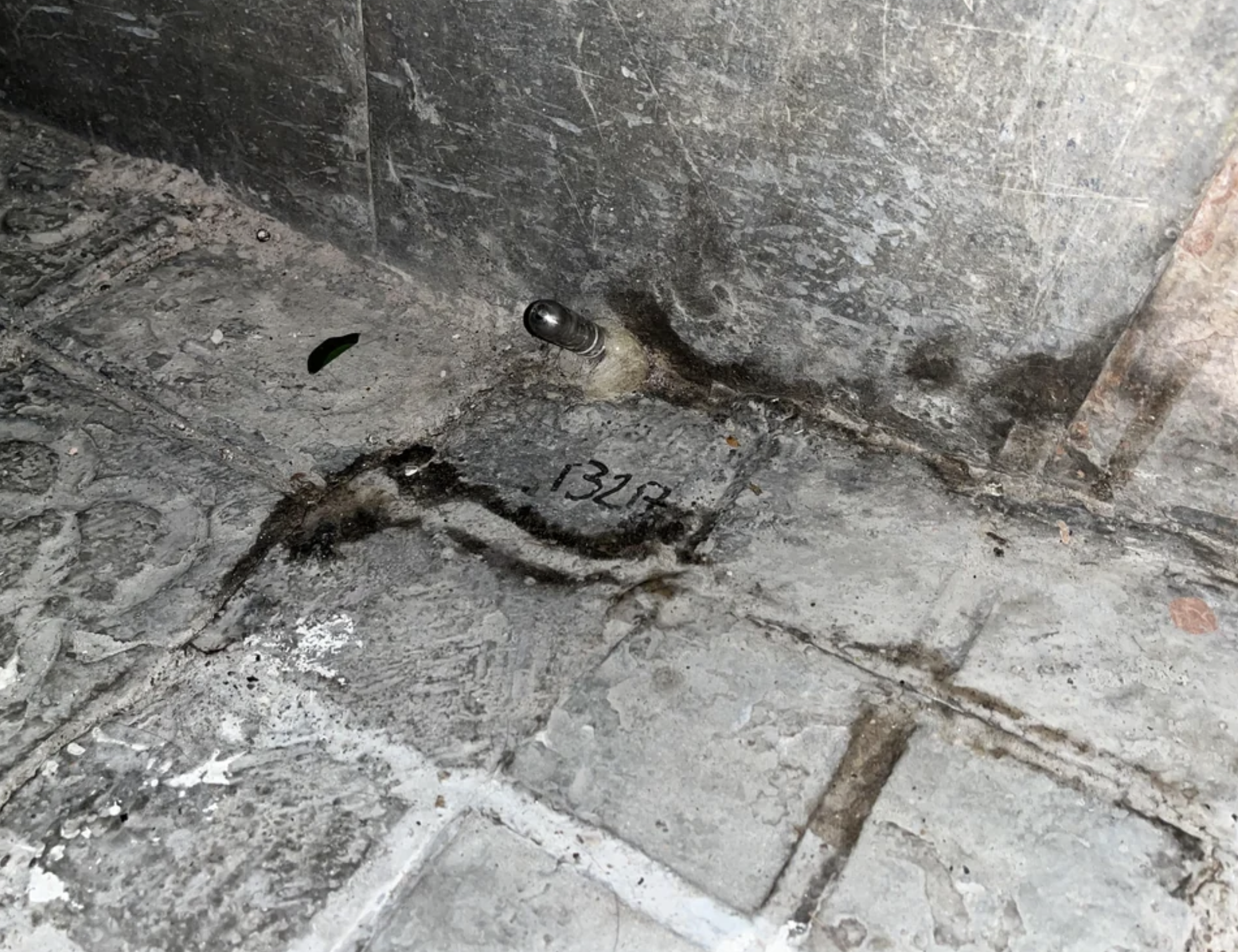
Each one of the metal caps represents a piece of a nearly invisible pest control network operating under our feet. These systems operate quietly and unobtrusively. They form a protective barrier around buildings while remaining inconspicuous and not detracting from the visual appeal of historic sidewalks and buildings.
Pest Control And Historic Preservation
Termite injection ports in sidewalks illustrate a practical approach to ensuring structural integrity and preservation of the historical nature of older cities. By utilizing these systems, the character of older cities and their buildings is maintained. This approach provides the assurance that the buildings remain safe from damage due to termites and other pests.