The Ingenious Device You’ve Probably Never Heard Of… Until Now

October 21, 2024
Source: Reddit
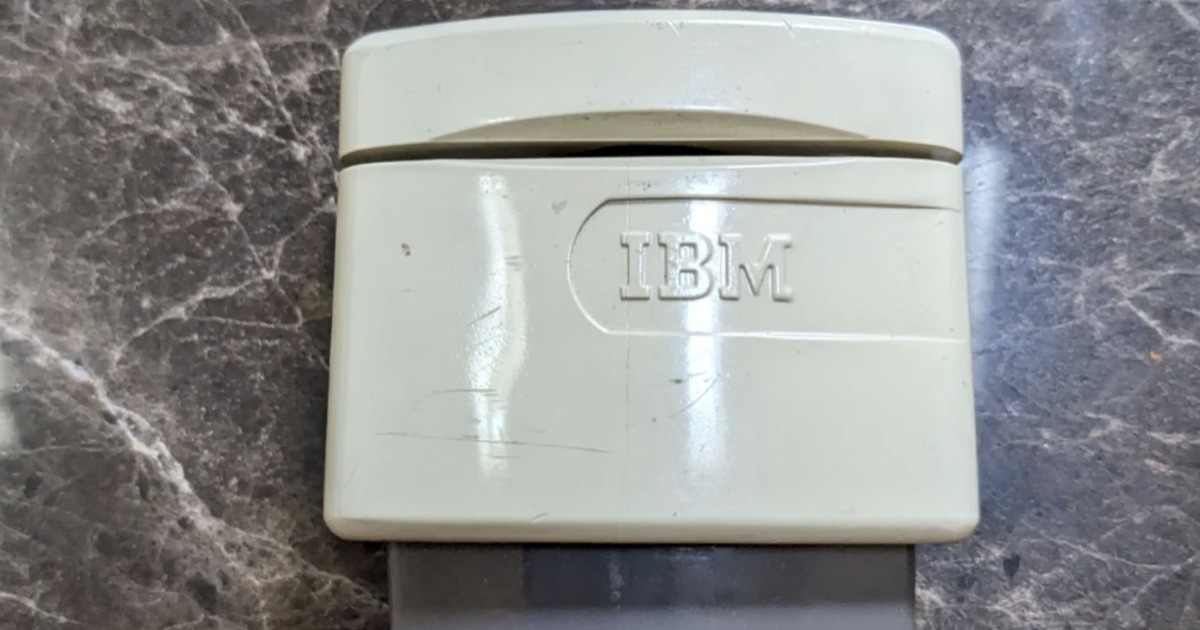
Remember the hum of early computer rooms? That rhythmic, almost comforting whir of data tapes spinning on their reels? For many of us who worked with computers in the ’70s and ’80s, the sight of a 9-track computer tape was as familiar as the typewriter keys or filing cabinets that filled the office. These magnetic reels, holding megabytes of data on plastic tape, were the lifeblood of data processing back in the day. But they weren’t infallible—occasionally, a tape would get damaged, and that’s when a little-known hero came into play: the IBM die-cut punch.
This unassuming beige tool, the kind you’d likely find in a forgotten desk drawer in a backroom, was a lifesaver for anyone who handled 9-track tapes. When a tape’s end was damaged—perhaps caught in the reel or bent from overuse—you’d simply take this punch, line up the tape’s edge, and give it a squeeze. Out came a perfectly curved cut, embossed with three lines, making the tape once again ready to be fed onto a take-up reel.
For many younger readers, the idea of data being stored on reels of tape might seem as quaint as sending a letter by post. But back then, these 9-track tapes were the backbone of computing. They stored everything from financial records to government data, and for companies that relied on data processing, a damaged tape could mean losing hours of work. That’s where this IBM tool stepped in, offering a quick fix that kept data flowing smoothly.
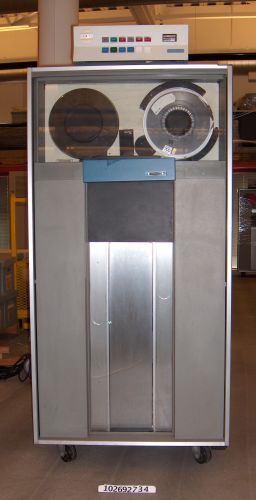
Tapes were delicate but essential. And like any well-worn tool, they needed a bit of care to keep running properly. The punch tool wasn’t flashy or high-tech, but it was indispensable in its simplicity. It was a reminder that sometimes the smallest tools made the biggest difference, quietly working behind the scenes to keep the wheels of progress turning.
In the broader context of technology, 9-track tapes represented a critical step in the evolution of data storage. Before hard drives became ubiquitous and digital storage was measured in gigabytes, 9-track tapes offered a reliable, if cumbersome, solution to the ever-growing problem of data management. They were symbols of an era where physicality and data were intertwined—information wasn’t just ones and zeros floating in the cloud; it was tangible, stored on long strips of tape housed in cabinets or boxes.
Working with these tapes felt substantial. You didn’t just click and drag files; you physically mounted tapes, rewound them, loaded them into drives, and listened to the satisfying click as they locked into place. There was a tactile connection to data back then, something we’ve lost in the era of solid-state drives and cloud computing. The IBM die-cut punch, in its quiet way, was part of that experience.
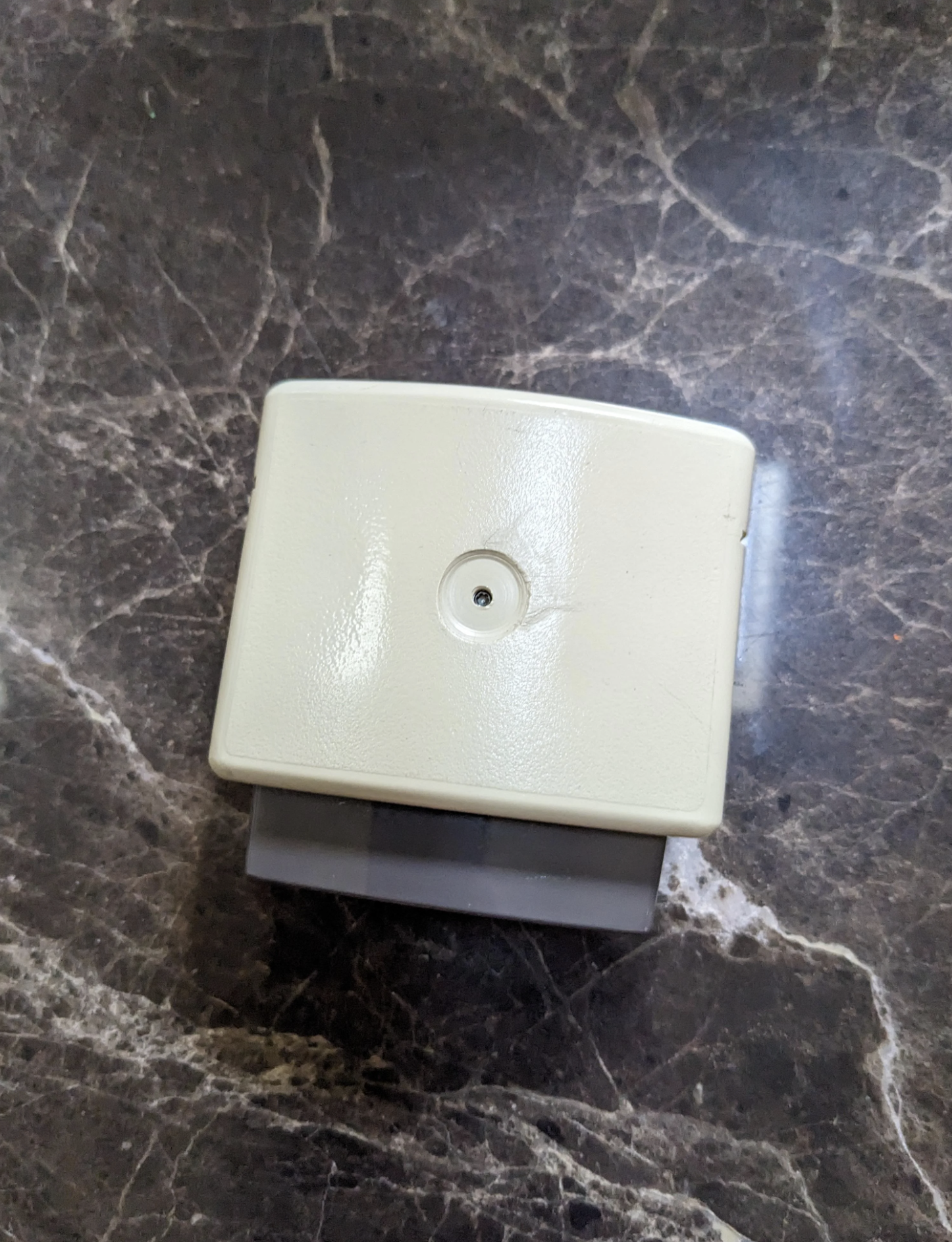
It’s easy to get nostalgic about the reliability of older tech. Yes, there were quirks—tapes occasionally jammed, and every now and then, you’d have to carefully coax a damaged one back to life with a punch tool. But there was something reassuring about the process. If you had a damaged 9-track tape, the solution was simple and often in your own hands. You didn’t need to call tech support or wait for an update to fix the problem. You just grabbed the punch tool, made the cut, and moved on.
In many ways, this sense of control and hands-on problem-solving is what we miss from that era of computing. The punch tool wasn’t just a quick fix for a damaged tape—it was a symbol of an era when people worked with their hands to keep the wheels of industry turning. And there was something undeniably satisfying about knowing that you could fix a problem yourself, with nothing more than a small, beige tool and a little elbow grease.
For those who remember working with 9-track tapes, the IBM die-cut punch might be a forgotten relic of a bygone era, but its significance shouldn’t be overlooked. It was a small tool that made a big difference, quietly ensuring that the tapes, and the data they carried, continued to flow smoothly.
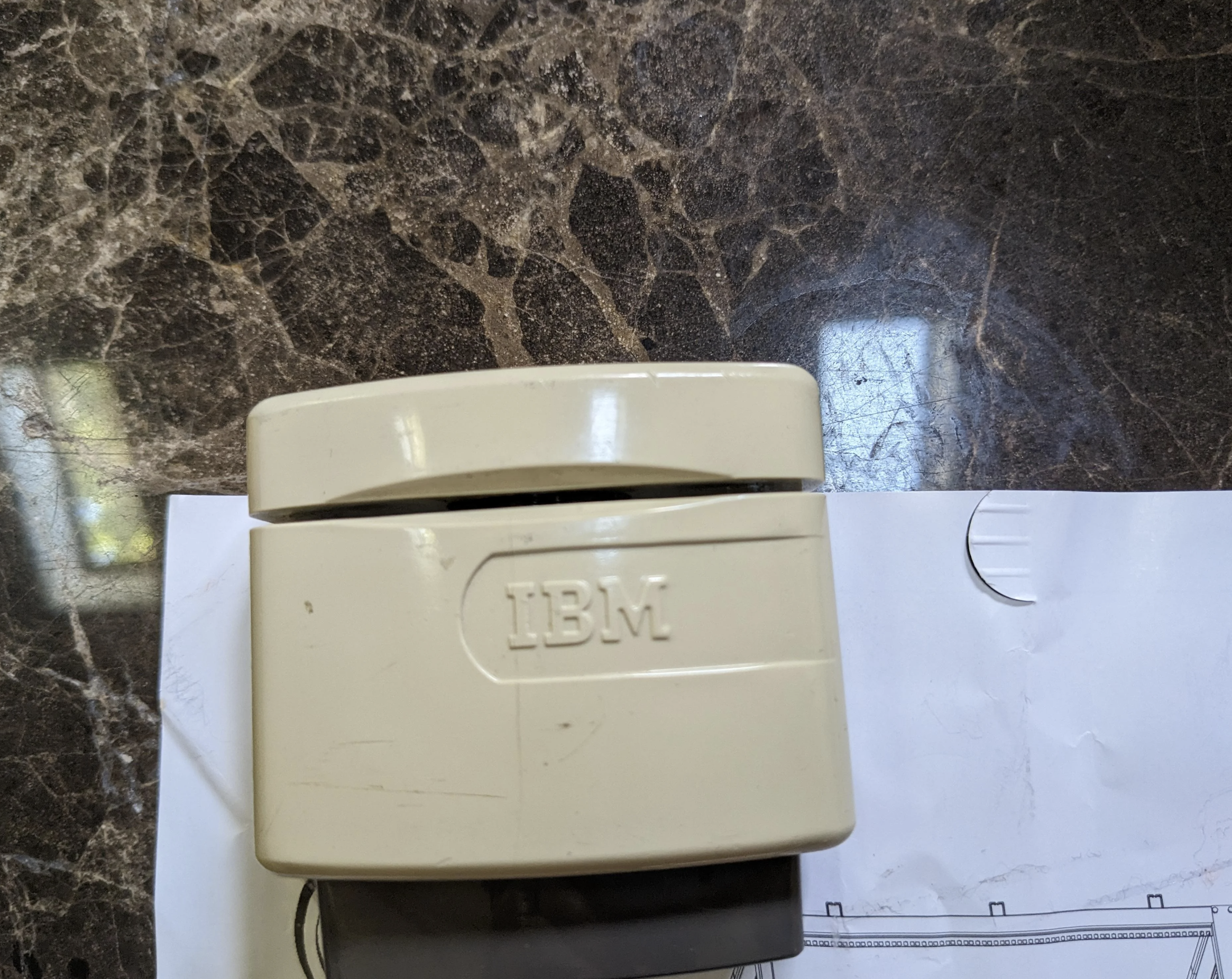
So, next time you think about the cloud or the terabytes of data we now carry in our pockets, spare a thought for the humble punch tool. It may seem like an antique now, but back then, it was the key to keeping the data revolution spinning—one reel at a time.