Why This Odd Structure Was the Most Important Thing in Town

November 26, 2024

Source: Reddit
How about lazy summer afternoons by the pond, when sunlight glittered on the water, and the breeze brought the sweet, earthy smell of nature? Maybe you skipped stones with friends or stood in awe at calm ripples spreading across the surface. But if you stepped closer to where the water was deepest, you may have spotted something strange—a tall concrete tower, quietly rising in the middle of the pond, its function unexplainable to you little mind. That tower was not merely part of the landscape; it was a stroke of genius that not only occupied but influenced the world around it. Understanding the spillway riser history can add a new layer of appreciation for this ingenious structure.
Spillway Riser History and Why We Even Needed Them
Spillway risers (also referred to as outlet towers) became commonly used in the early 20th century — an era when ingenuity in engineering was applied to address the water-related challenges of the day. Small reservoirs to store water, manage floods, and irrigate crops became essential with the quick expansion of towns, agriculture and industry. But managing these bodies of water would take something more than dams. Engineers also needed a way to safely regulate water levels, prevent flooding and control sediment. Enter the spillway riser — an unassuming structure that did it all, quietly.
So… What Exactly Is a Spillway Riser?
Most simply put, a spillway riser is a vertical drain system. Instead, it employs a set of strategically positioned holes or openings to pour out water from various heights based on the height of the reservoir. When torrential rains threatened to inundate a dam, these towers let excess water drain away at a steady, controlled pace. This not only prevented disastrous floods, but also allowed reservoirs to not run dry, during drier months, meaning that water would be available for farms, wildlife and other communities.
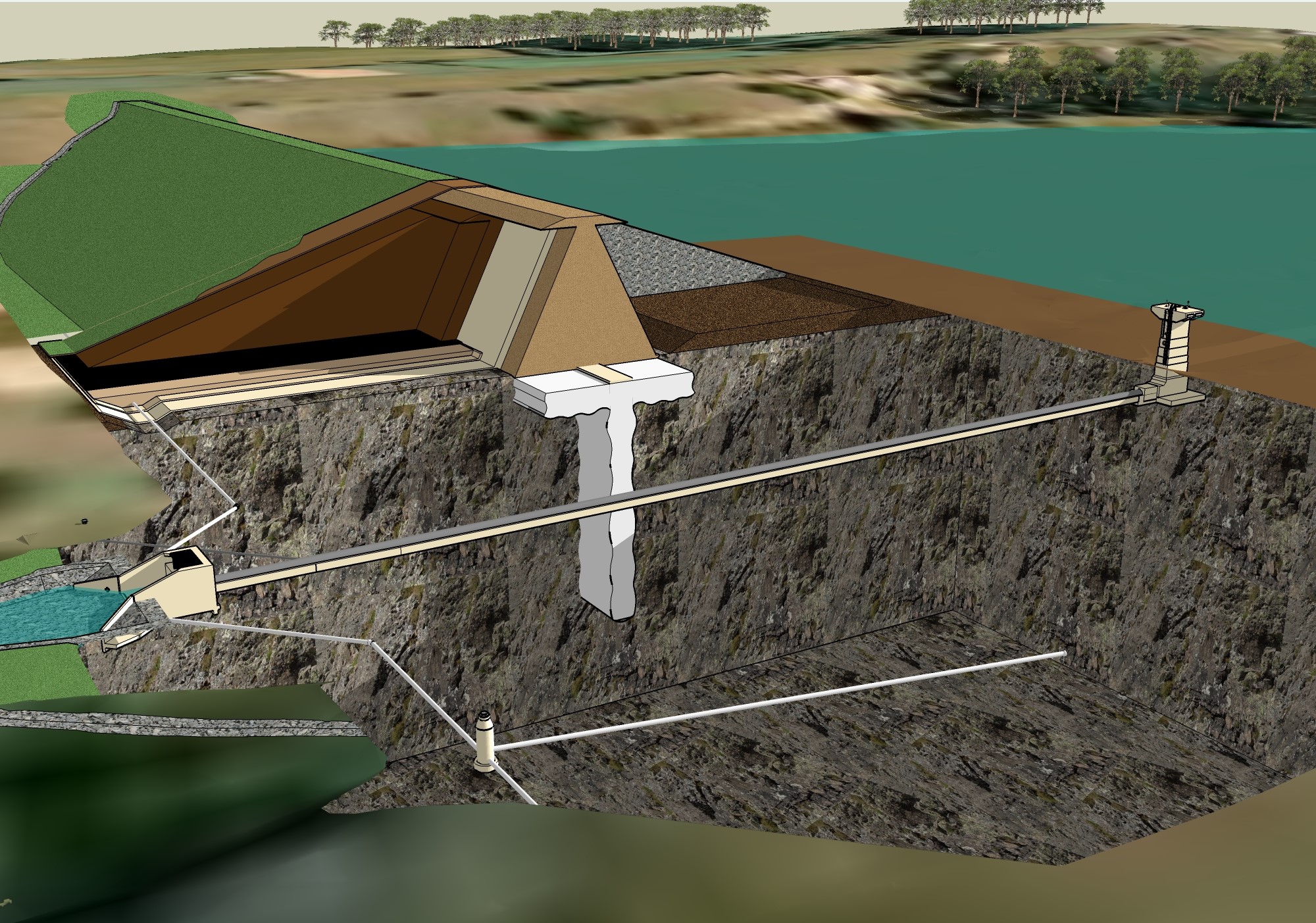
A Clever Design That Quietly Did It All
Constructed largely of concrete and steel-reinforced, these towers were made to withstand the test of time. Their simple design belied their sophistication: some featured adjustable gates for fine-tuning water flow and others included sediment traps to keep things clean. Seemingly unassuming, they were — and are — a vital part of our water infrastructure.
More Than Concrete and Steel — A Lifeline for Rural America
It was more than just a building or a design feat, it was a symbol. In rural communities, they were lifelines, maintaining a steady flow of water for irrigation during the growing season. Water was scarce during the Dust Bowl of the 1930s, and spillway risers and small reservoirs became vital tools for helping communities ride out the storm.
These reservoirs often became recreational hubs for city folk. Families would come for fishing, picnics or ice skating in the winter. Its minimalist silhouette, sentinel of forgotten ships, delivered its own, that of silent, endless memories, framed by the delicate harmony of nature and willing toil.
Many of these old spillway towers still exist today, but they often fall under the radar in a world filled with flashy modern technology. Some reservoirs have emptied, and these structures now stand as lonely sentinels to a bygone era. Others have found new purpose, bolstering wildlife habitats or acting as quirky landmarks.
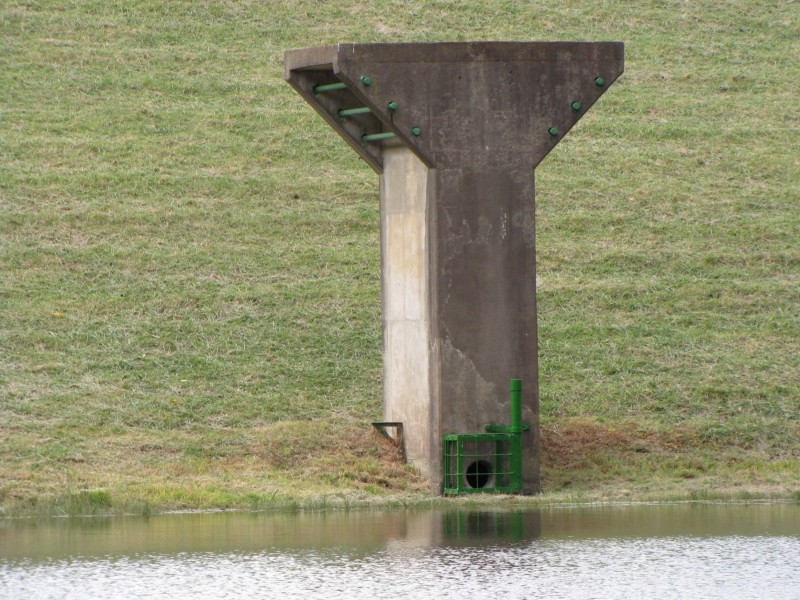
A Quiet Legacy That Deserves a Second Look
But their legacy lives on through the myriad lives they positively impacted. They remind us of an era of engineering solutions that were just pragmatic, but durable and quietly brilliant. And while they don’t grab our attention as they once did, they still do their job with quiet efficiency, proving the timelessness of thoughtful design.
As we rest upon the shoulders of these innovations, it’s time well spent to appreciate the elegance and ingenuity of these ancient constructs. Spillway towers were not merely functional but thoughtful responses to complex challenges, intended to benefit communities for generations. So the next time you spot one — whether upright in a pond or abandoned and half-buried in a bone dry reservoir — take a moment to appreciate its quiet brilliance. Who knows? It might just remind you of those warm afternoons by the water, when life felt simpler, and the world seemed full of possibility.