No One Expected This to Surface

December 12, 2025
Source: Reddit
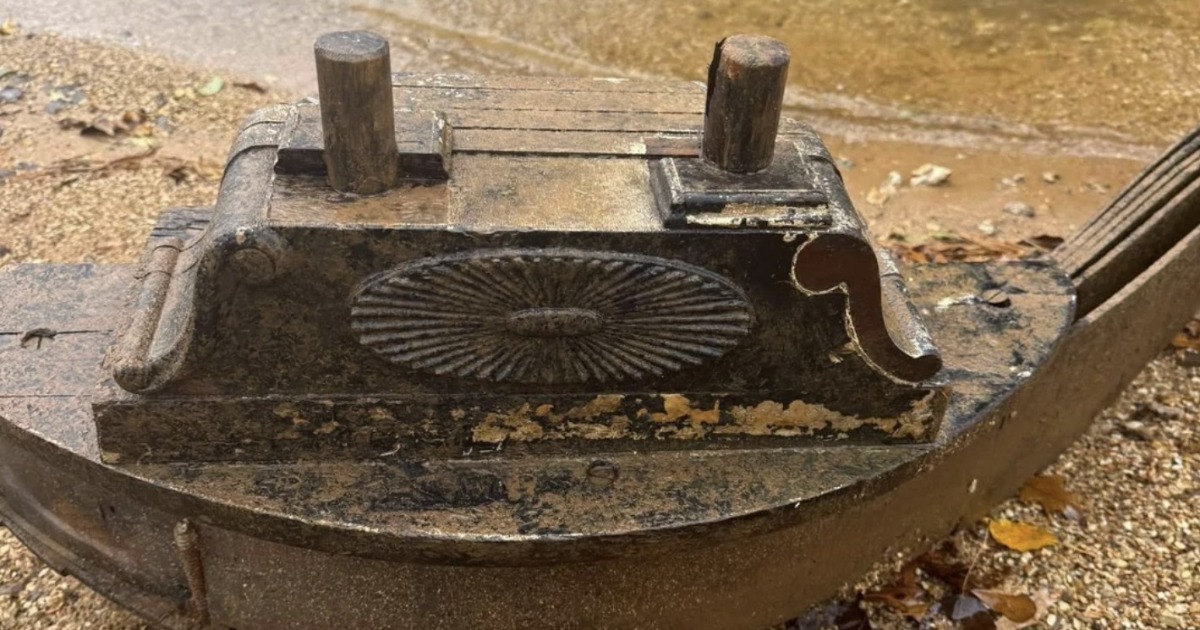
Recently, while excavating the Coosa River, a unique discovery was made – a late-1800’s piano harp. It was encased in sand; however, its shape and overall look clearly indicated its origins as an early upright piano, it was likely discarded prior to the flooding of the area to create a reservoir in the 1960s.
It was discovered close to some of the numerous underwater areas of old houses, schools, and churches along the river. Prior to the building of the dams on the Coosa River, there were many small communities located along the river. When the water rose to cover the area, all of the buildings – even churches and schools – were abandoned. They remain submerged today.
Patent Dates
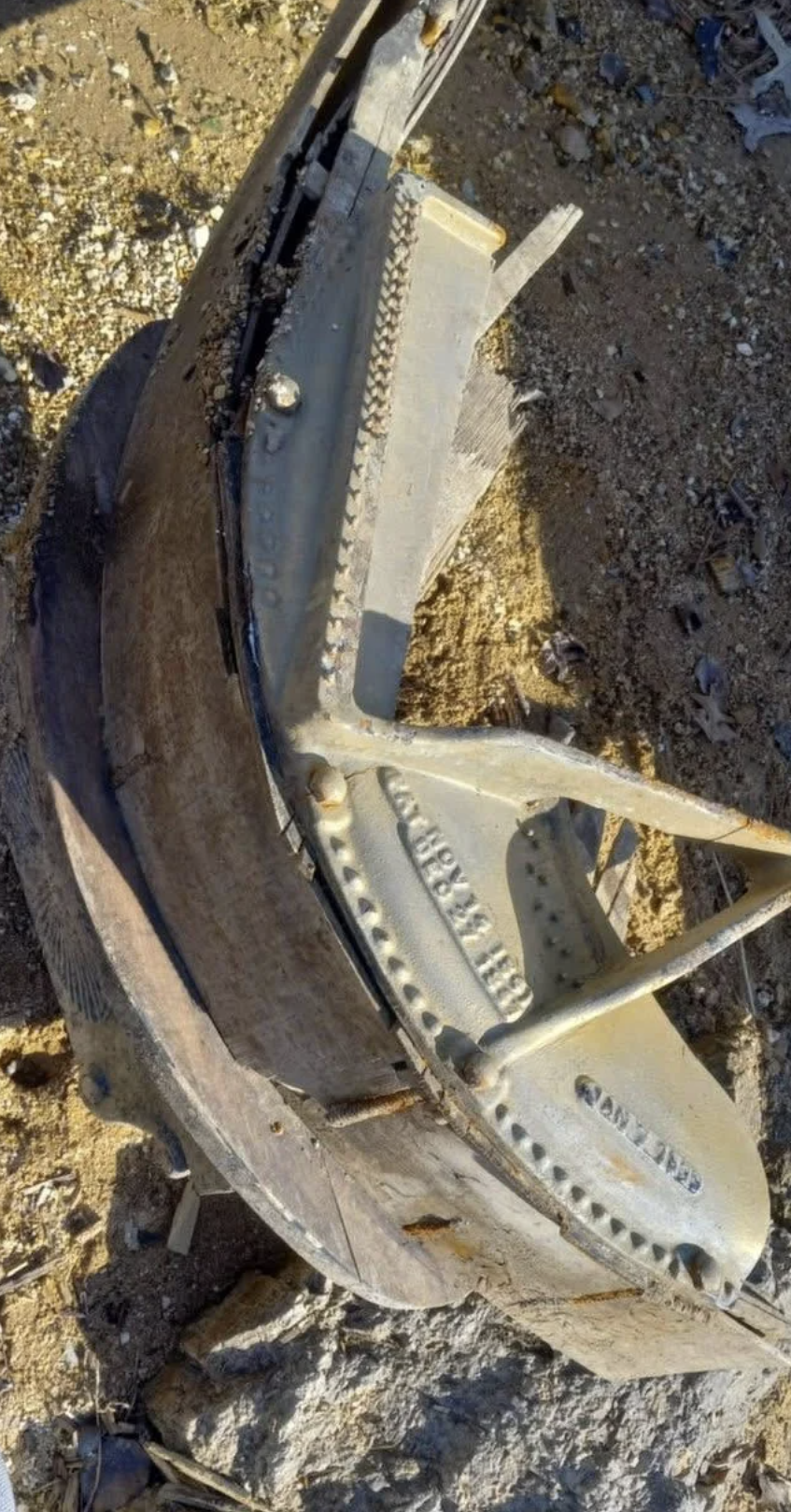
On the visible cast iron plate, patent dates are displayed — NOV 27, 1877 AND JAN 7, 1879. The patent dates indicate they match several historic U.S. patents relating to piano frame designs. The use of cast iron frames for pianos during the late 19th century was very popular. Cast iron could support the enormous string tension within the piano.
Both the wood and metal construction of the harp match the typical construction of late 19th-century upright pianos. On the side of the harp is a decorative sunburst pattern and two wooden dowels protruding at the top. These appear to be supports for the internal workings of the piano. The harp has been under water for so long that the cast iron parts show considerable rust. Yet the parts remain largely intact.
An Echo Of The Past
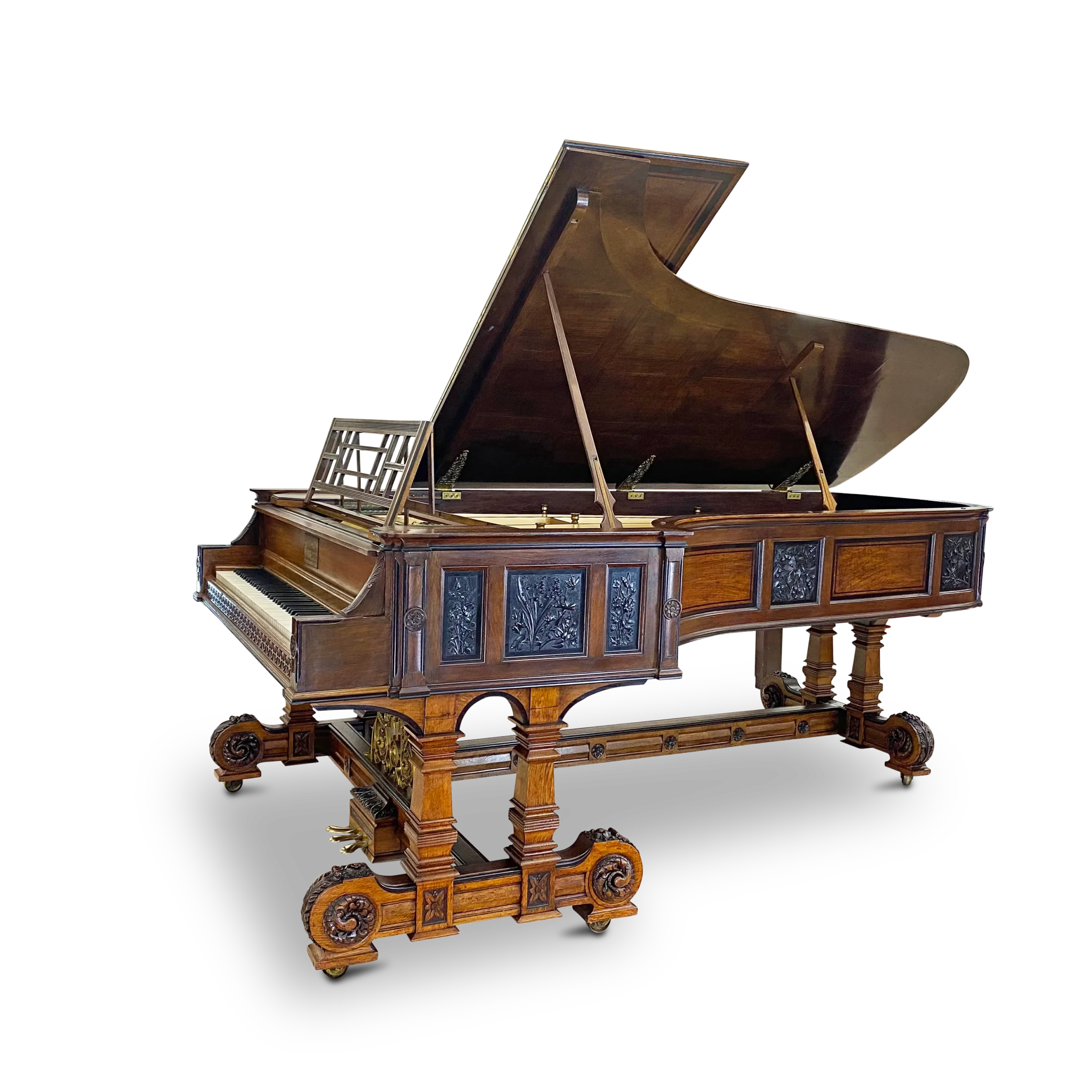
In the mid 19th century, families centered their lives around their pianos. Children practiced their lessons each day, and music flowed through their parlor and church gatherings. Although we do not know where the harp originated, it could be from a home, schoolhouse, or church. It is symbolic of the cultural and emotional significance that instruments held in communities’ daily lives.
Residents along the Coosa River did not have much time to remove their belongings before the river was dammed. As such, many items were left behind. Lost items from beneath the lake surface occasionally resurface, but few items carry the significance that this piano harp carries both literally and symbolically.
Protected By Water, Reappears With Time
Due to being submerged in water, the cast iron harp has preserved much better than if it were a wooden or fabric item. While the wood remains somewhat water logged and cracked, it can still be recognized. Every bolt and joint has developed significant rust. The quality of the craftsmanship and durability of the 19th-century American piano design is reflected in the harp’s ability to withstand the elements for nearly 150 years.
Its reappearance reminds us that remnants of our past remain and sometimes remain hidden for decades. That is until the river changes direction and exposes them again. The harp does not simply represent a piece of history. It also connects us to the people who once lived, played, and listened to music in these communities along the Coosa River.
Final Reflections
The 1800s piano harp is a musical relic of the past. More importantly, it is a segment of a community’s history that lies beneath the river’s surface. Its silence continues to speak volumes about craftsmanship, music, and life before the floodwaters.