I Was Today Years Old When I Learned This

January 13, 2026
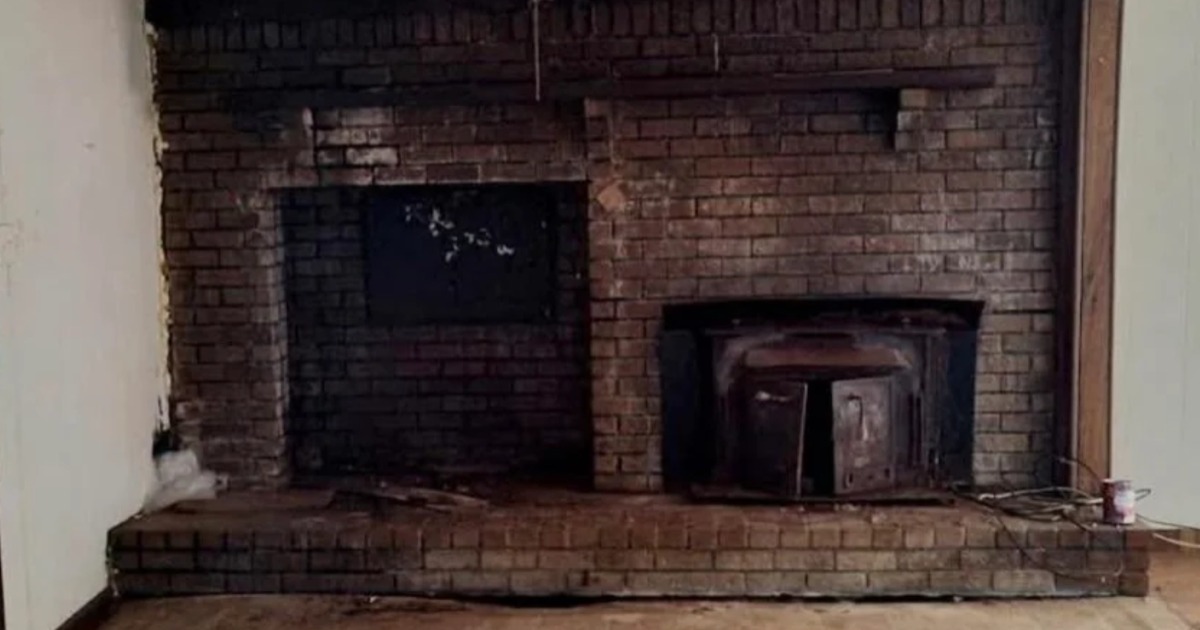
Source: Reddit
When I saw the brick fireplace and the small brick space next to it in a 1950s fixer upper I was looking at several weeks ago, the first thing I noticed — aside from the lingering musty smell and a ceiling fan that was literally one wind gust away from falling off the ceiling — was the brick space. The second thing I noticed was the space seemed empty. My husband and I both looked at each other like “what was this supposed to be?” It seemed like it could be intended for wood storage.
My first thought was possibly it was for a wood-burning cookstove. That was quickly dismissed by my husband. “Why would you cook in the living room?” I couldn’t argue with that. Google didn’t provide much help either, I got a bunch of unrelated DIY Pinterest projects and one forum post from 2009 with more theories than answers.
However, after doing some research and talking to my grandfather, who knows a ton about old houses, I discovered that the brick space is called “indoor wood storage” located next to the fireplace and that once you understand that concept it makes perfect sense. This wood storage space serves a very practical purpose.
When Fireplaces Were More Than Just an Instagram Backdrop
Now let’s go back to the times when there was no central air conditioning system. There was no temperature control system. There was no Heating Ventilation Air Conditioning (HVAC) technician to call when your furnace broke. Just you, a fireplace, and a large stack of logs bigger than your 5th grader. Effective wood storage was crucial for maintaining warmth and preparing meals.
Back then, the fireplace was not just a nice backdrop for your Christmas family picture. It was the heart of the house providing warmth and heat to cook meals (not from the brick space) and dry socks that you forgot were wet. You would light the fire in the morning and try to keep the fire going as long as possible. If the fire went out, the heat stopped.
Indoor wood storage near the fireplace was a very smart way to design the house.
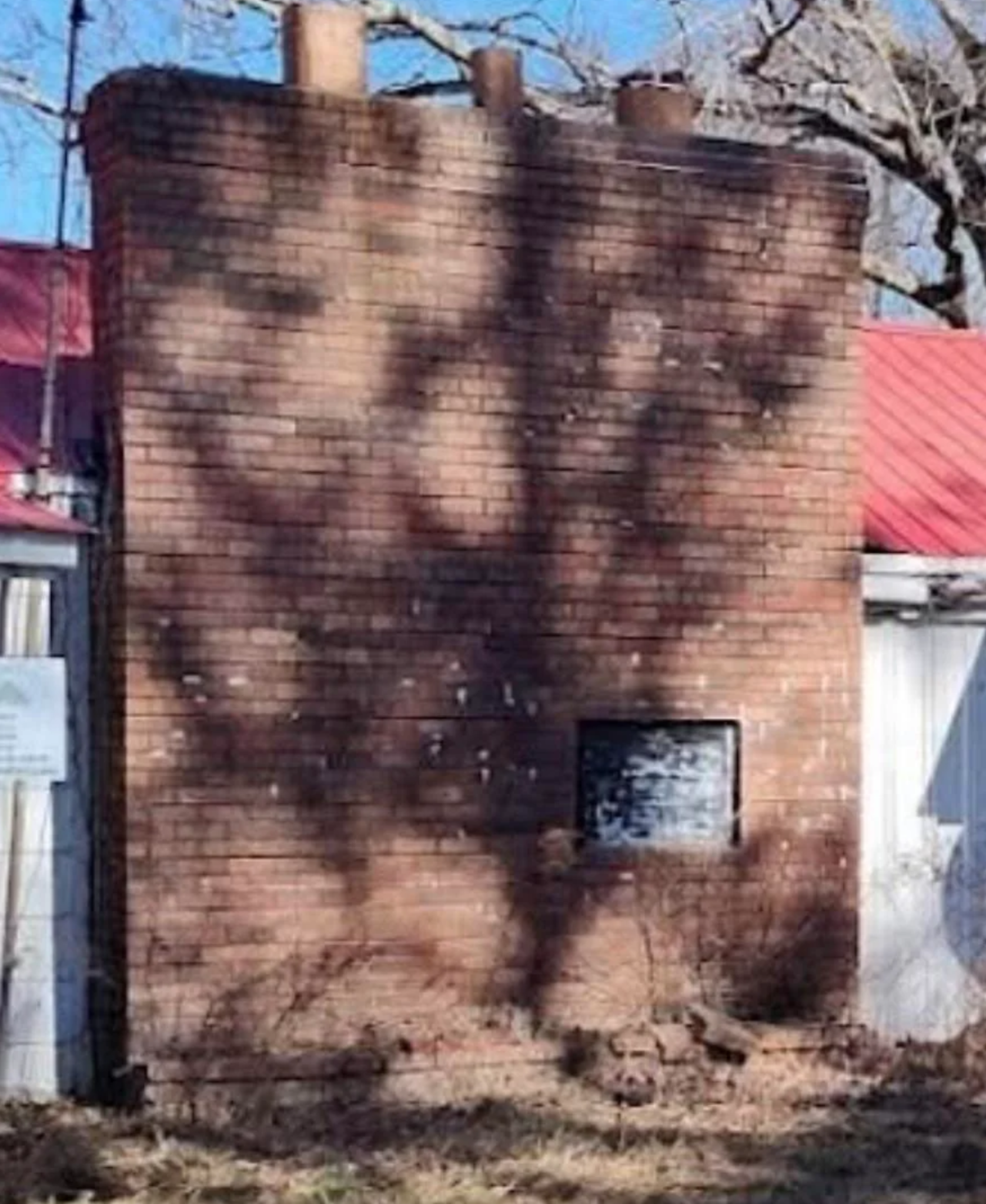
How Much Wood Does That Big Brick Storage Bin Really Hold?
If you have never burned wood for heat, that brick bin may look larger than needed. How much wood can you realistically burn for a few fires? The answer is, a lot. Efficient wood storage was key to ensuring a constant supply of warmth.
Like, a wheel barrow full of wood per day when it is cold enough.
As a child, we lived in a farmhouse and every winter morning my father would haul in arm loads of wood. By dinner time most of the wood was reduced to ash. Every weekend it seemed like all we did was split, stack and move wood around the farm. Therefore, when I am told that the brick bin is “too large,” I laugh. The truth is, it could be double the size and still not be able to hold enough wood to last us through a long weekend snowstorm.
The purpose of that space was not to store all of the wood you will use through the entire winter. The purpose of that space was to store a few pieces of wood within the house, so you wouldn’t have to go out to the wood pile in your night clothes at 10 pm during a blizzard to get a piece of wood to add to the fire.
Outside Access Door = Pure Brilliance
The best part of those indoor brick bins is many of them have an access door from the outside. Think about how brilliant that is. You can load the wood from the outside, thereby keeping bugs and debris out of the house. Then, once the wood is inside, you simply reach in and pull out a piece of wood to add to the fire.
To be honest, why aren’t more modern homes designed this way for optimizing both convenience and cleanliness in wood storage?
Not for a Stove
I know, the first thing most people think is perhaps it was for cooking. I thought that too. However, unless your living room has a flue, stove pipe and a place to cook bacon (with the curtains not being set on fire), it was probably not for cooking.
The brick space is usually shallow, open and directly attached to the main wall of the fireplace. It was built to support the fireplace, not a cooking stove. Unless you live in an old cabin where the living room served as the kitchen, it is likely that it was not for cooking.
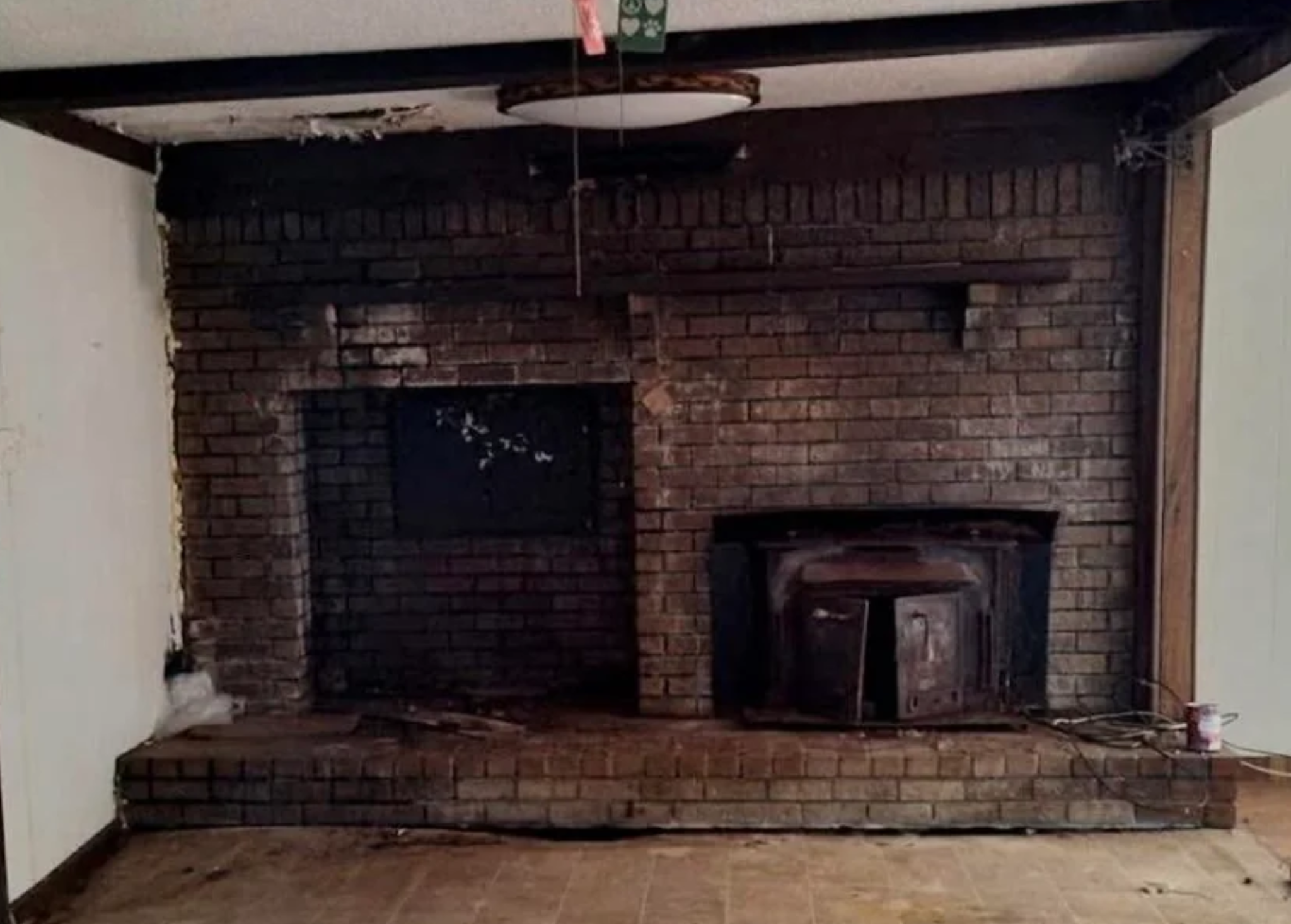
What Can You Do with It Now?
If you are fortunate enough to have one of these spaces in your house and your fireplace still functions, use it for its original purpose. It is for storing firewood. It is efficient, it is a unique architectural feature and it eliminates the need to go out to get more wood.
If your fireplace is no longer functional (or you simply do not wish to burn wood), here are a few things you can do with that brick space:
- Turn it into a cozy reading nook for your cat (yes cats love odd spaces).
- Use it as a book shelf or plant display area.
- Seal it off and insulate it if you prefer a clean appearance.
You have options. Don’t tear it out just because it doesn’t make sense. It does make sense.
A Unique Design Element with a Rich History
That brick space adjacent to your fireplace may appear unusual or outdated today; however, it tells a story. A time when families built their homes based on their real needs such as, having a way to stay warm without electricity or duct work. A time when hauling wood was a task that you passed down to the next generation.
It is not just an old relic. It is a memory. Of practicality, of the scent of wood smoke during the winter months. Of a house that had to function to keep you alive, not just look great in a listing photo.
Next time you enter an older house and see that space, take pride knowing it was not created to be a weird space, but rather a practical solution to an age-old problem in wood storage.