Hidden in Plain Sight

June 5, 2026
Source: Reddit
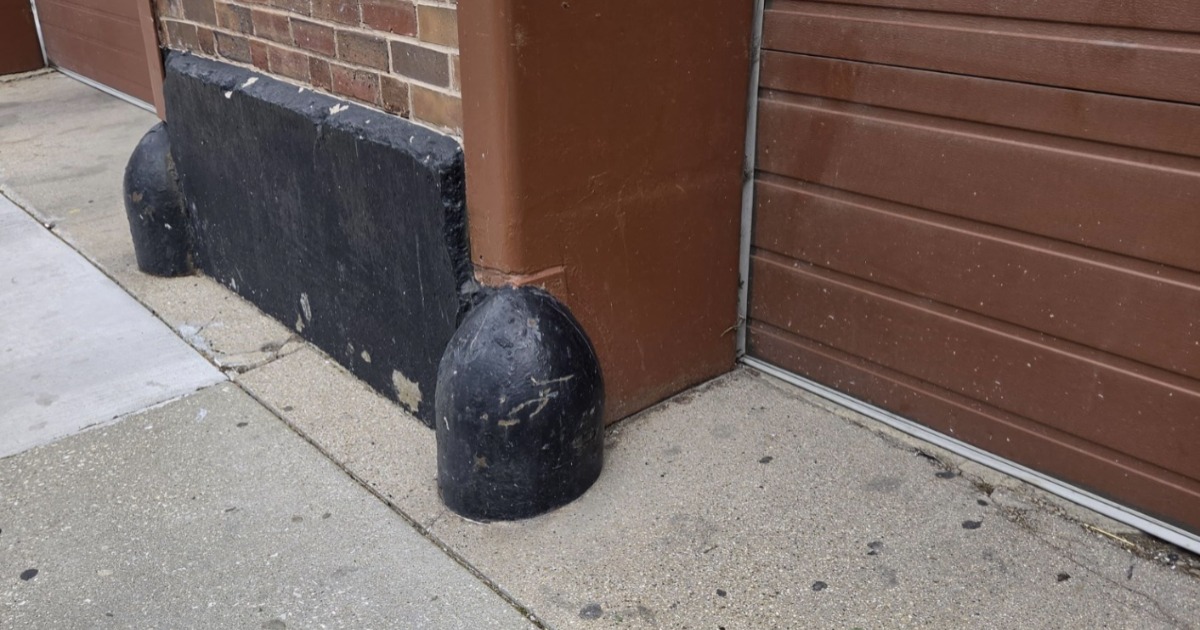
I used to walk past those black round bumps at the bottom of Chicago buildings without thinking much about them. They looked like old scraps of metal or some forgotten bit of alley hardware. Then I noticed where they always sit. Right at the corners. Near garage doors. Along tight turns. Exactly where a tire might get too close. Those bumps are wheel guards, tire deflectors, or corner guards. Their job is simple: they push vehicle tires away from the wall and toward the middle of the alley, so cars and trucks don’t scrape the building.
What Chicago Alley Wheel Guards Do
Chicago alley wheel guards protect brick, garage frames, and lower walls from vehicle damage.
When a driver turns too close, the tire hits the rounded guard first. The curve nudges the tire away from the wall. That keeps the side of the vehicle from rubbing brick, denting metal, or scraping paint.
No electronics. No signs. Just a heavy, rounded bump doing useful work.
Why They’re So Common in Chicago
Chicago alleys can feel narrow, especially behind older buildings. Many garages and loading areas were built long before big SUVs, delivery vans, and pickup trucks became normal.
Backing into some garages takes patience. You turn, adjust, check the mirror, pull forward, try again, and hope nobody is watching from a porch.
That’s where these guards help.
They protect the building from small hits that add up over time. One tire rub may not ruin a brick corner. But years of bad turns can chip masonry, damage mortar, bend trim, and leave ugly scrape marks.
The guard takes the abuse instead.
Why the Rounded Shape Matters
The shape does the work.
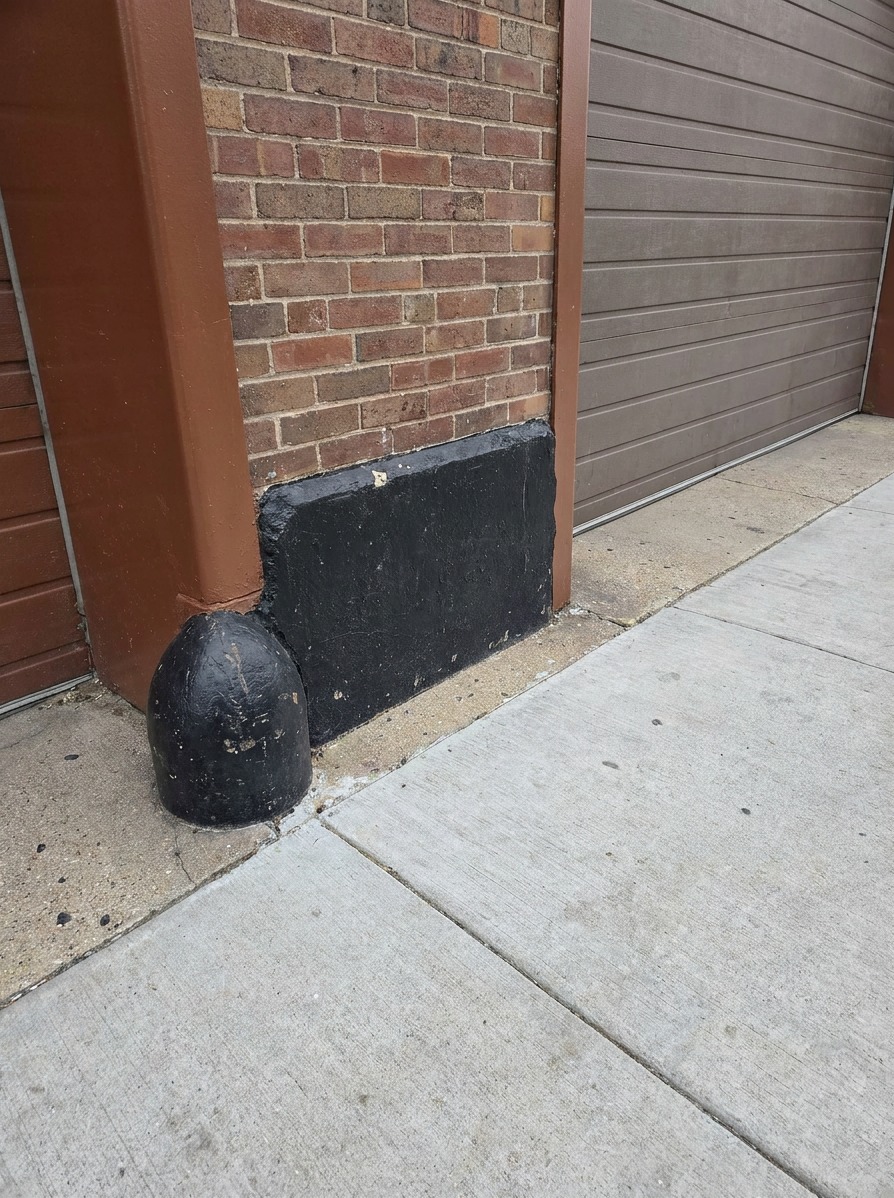
A square block would catch the tire. A sharp edge could cause damage. A rounded guard lets the tire roll or slide along it, gently steering it away from the wall.
It’s not dramatic. It’s more like a quiet warning from the building: “Not that close, pal.”
That simple curve turns a possible scrape into a small correction.
A Small Piece of Old Chicago Design
Once you notice Chicago alley wheel guards, you start seeing them everywhere.
They show up beside old brick garages, commercial buildings, loading docks, and narrow alley entrances. Most are painted black. Many are chipped, scratched, or worn down from years of contact with tires.
They’re not decorative, but they have character.
They belong with the practical details of older Chicago: fire escapes, iron gates, dock plates, patched brick, and heavy garage doors. These things weren’t made to impress anyone. They were made to work.
And they still do.
Why They Feel Nostalgic
Chicago alley wheel guards feel like a detail from the good old days because they solve a problem in the most direct way possible.
Someone saw a corner getting scraped. Someone added a guard. Problem solved.
There’s something satisfying about that. No app, no sensor and no warning beep. Just shape, weight, and placement.
Every scratch on one tells a tiny story. A delivery truck turned too tight. A driver backed in too fast. A snowplow clipped the corner. A moving van almost took out the wall.
The building stayed protected because the guard took the hit.
The Next Time You See One
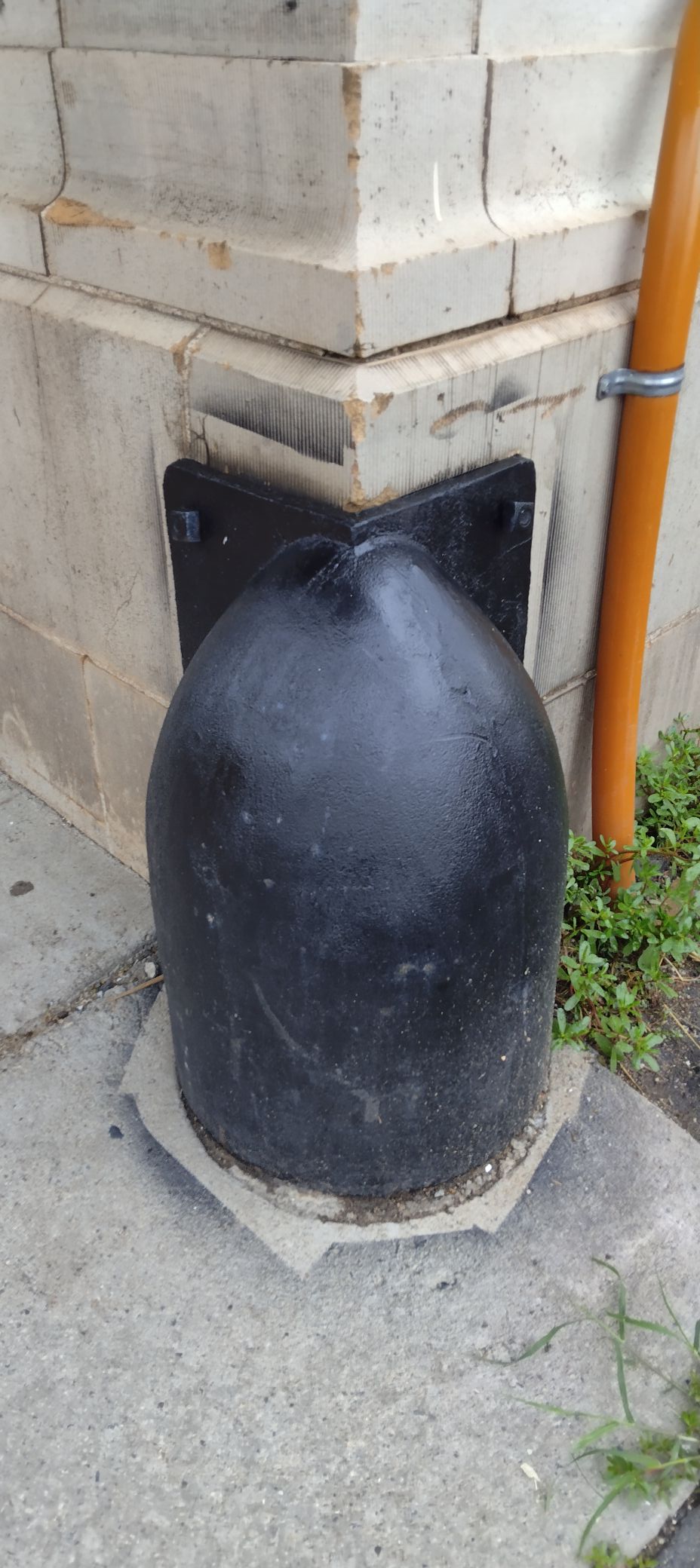
Next time you walk through a Chicago alley, look near the bottom corners of the buildings. You’ll probably spot one of these black rounded bumps near a garage door or wall.
Now you’ll know what it is.
A Chicago alley wheel guard pushes tires back toward the middle and keeps vehicles from rubbing the building. It’s simple, tough, and easy to miss.
Not every piece of city history needs a plaque. Some of it sits at ankle height, covered in scuffs, quietly saving old brick walls one bad turn at a time.