Grandpa’s Drawer Surprise

February 15, 2026
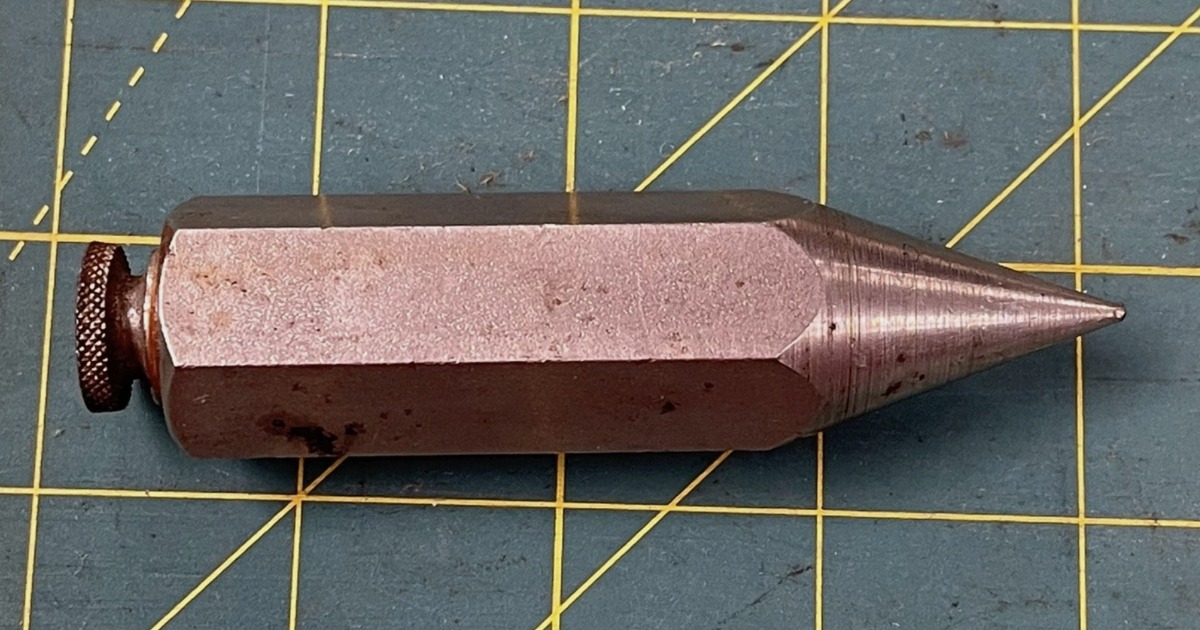
Source: eBay
In his toolbox, under a layer of assorted cordage and loose parts, I discovered this in my grandfather’s toolbox. It was heavy; it had a pointed end; it was wrapped in twine. The first thing I thought was “Could this be a tool or could this be a weapon?” But ultimately, it’s a vintage plumb bob tool and a very good example of how sometimes simple tools make you look at what you’ve done and think, “You were silly to wonder about that.”
What Is a Vintage Plumb Bob Tool?
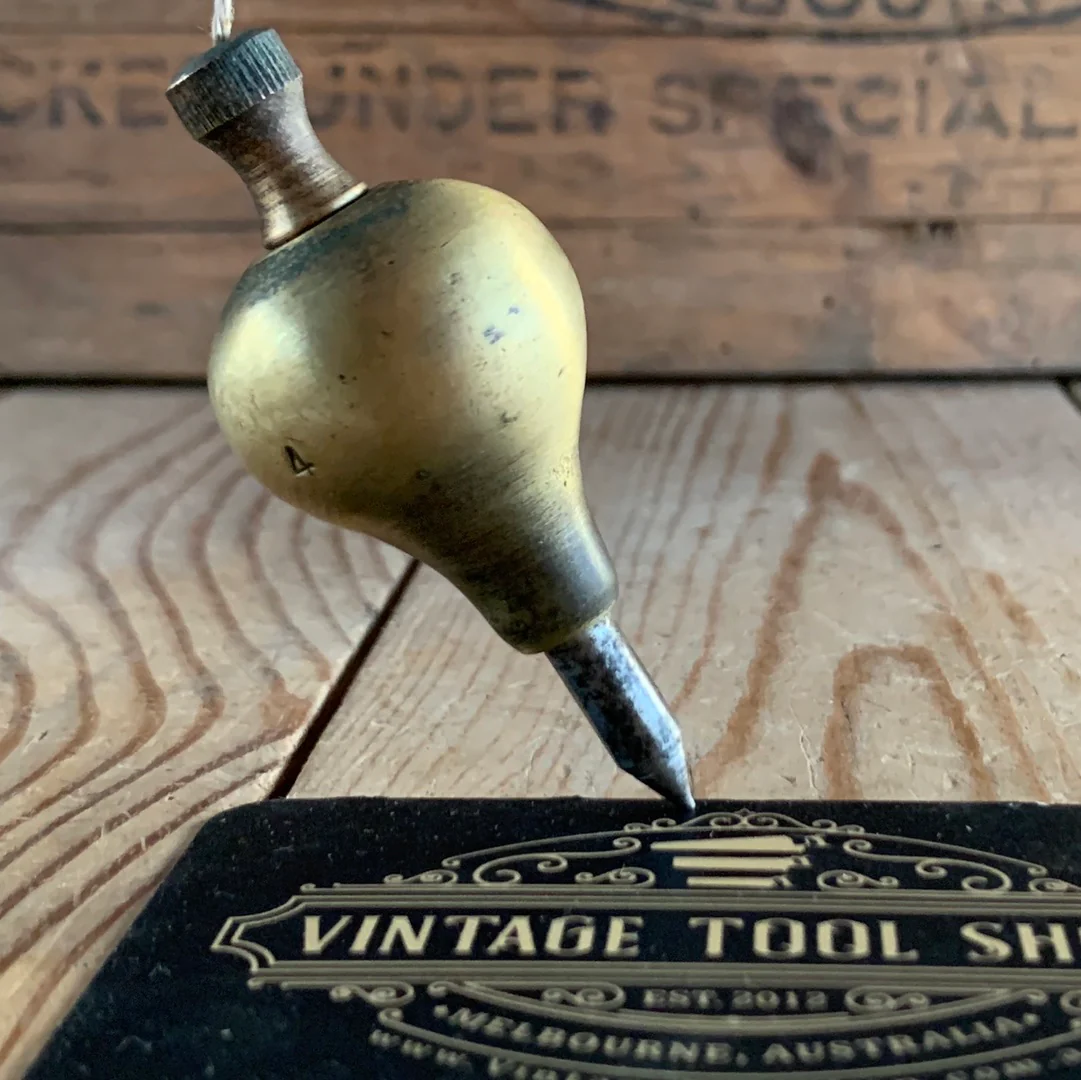
A plumb bob is a weighted metal tip attached to a piece of string. When you suspend the string from above, gravity causes it to pull into perfect vertical alignment. The sharp tip will identify the precise location directly below the point you are suspending it from.
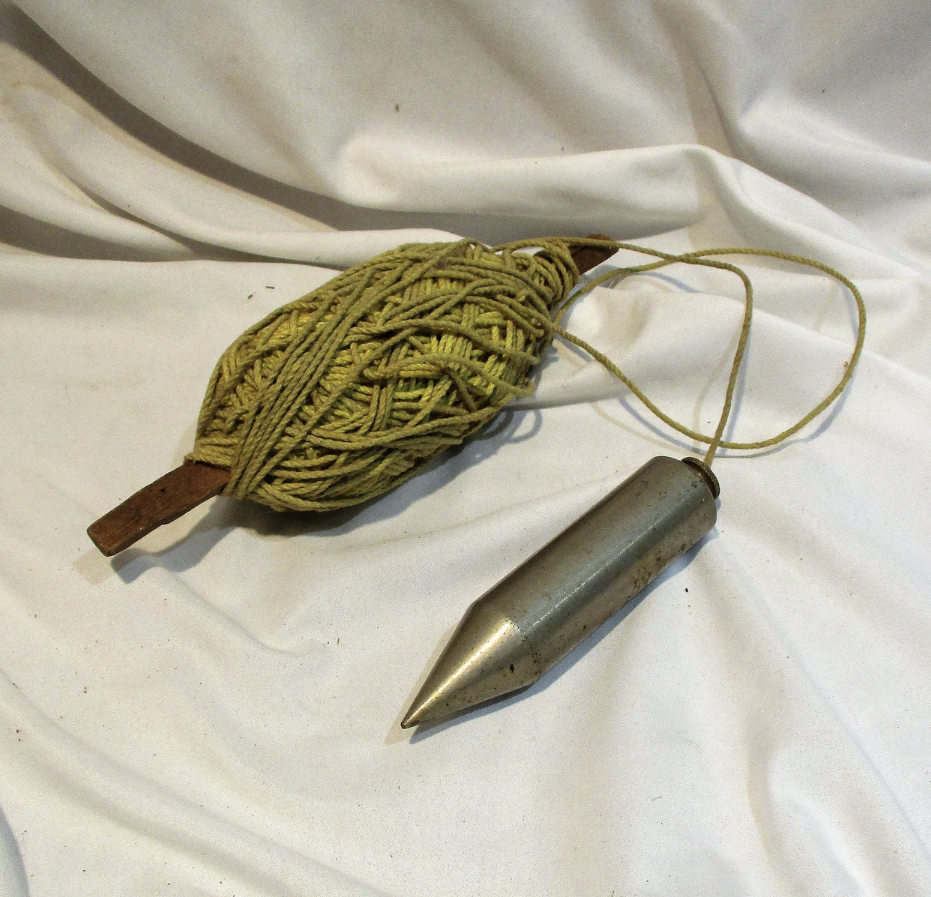
My plumb bob has a length of string wrapped around its midpoint – essentially a way of saying “keep your stuff organized.” The metal of this plumb bob is heavy enough that it will create a mark in anything it comes into contact with, including your foot if you’re careless.
What It Does
A vintage plumb bob tool provides a true vertical reference, i.e., “plumb,” and builders have historically used it to:
- verify if a wall or post is leaning
- align the corner of two pieces of framing
- transferring a point from the ceiling to the floor
- determine if a door frame was twisted or not
A vintage plumb bob tool is different than a modern level because it does not require a flat surface to operate. Additionally, when working over larger distances, a plumb bob does not rely on guesswork – since gravity always works, so too will the plumb bob.
My “eye-balling” Days Are Behind Me
Before using a vintage plumb bob tool, I used to eye-ball everything (shelves, pictures, etc.). Afterward, I would take a step back and see that I installed something with a slight “Oh no, I’m slipping” vibe.
A plumb bob never lets you fool yourself. It simply hangs there quietly and tells you the truth. If you are off, you are off – no debate.
How My Grandfather Likely Used It
I can easily imagine my Grandfather holding a string to a doorway and allowing the bob to settle, marking a small pencil mark and then continuing on to fix the problem without giving it another thought. No Apps. No blinking lights. Just a routine he trusted.
There is a rhythm in using a plumb bob tool. Hang it. Let it settle. Mark the line. Fix the problem before it turns into a much bigger problem.
How to Use a Vintage Plumb Bob Tool
If you have one, you can still use a vintage plumb bob tool without any additional equipment:
- Attach the string to a nail, beam or hook above the area in question where you want a vertical line.
- Allow the plumb bob to hang free.
- Wait for the bob to cease movement.
- Use the string as your vertical line, or mark the point directly below the tip of the plumb bob.
Warning: Do not drop the plumb bob onto your foot. The tool will remain loyal to gravity and not to you.
Why I’ll Keep Mine
This vintage plumb bob tool is more than just some random junk my Grandfather left behind. This is a memory of how people build long lasting structures – by utilizing tools that don’t need to explain themselves and that aren’t trying to be smart.
Additionally, this vintage plumb bob tool is still working perfectly. There is no need to calibrate it, there is no need for batteries. There is no need for any fanfare. Just a weight, a string, and the same force that has kept everyone honest forever.