Grandpa’s Attic Find Explained

May 2, 2026
Source: Reddit
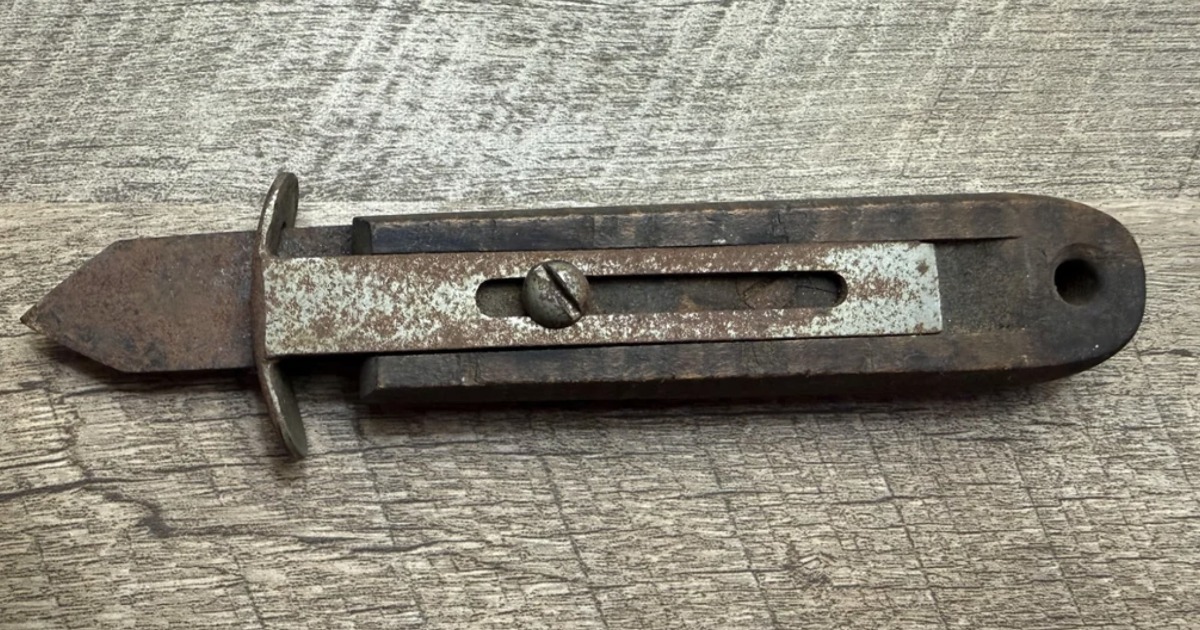
I love finding strange old things in attics. Not because I always know what they are. Usually, I don’t. That’s half the fun. This Remington tobacco plug cutter is a perfect example. It was found in Grandpa’s attic with World War I memorabilia, so the first guess might be “military tool.” I’d probably think the same thing. It has a blade-like end, a sliding guard, old metal, and the Remington name stamped into the handle.
But this wasn’t made for a battlefield. It was made for tobacco.
What Is a Remington Tobacco Plug Cutter?
A Remington tobacco plug cutter was used to slice pieces from a plug of tobacco. Years ago, tobacco often came in dense pressed blocks instead of modern pouches or tins. People cut off what they needed.
That’s where this tool came in.
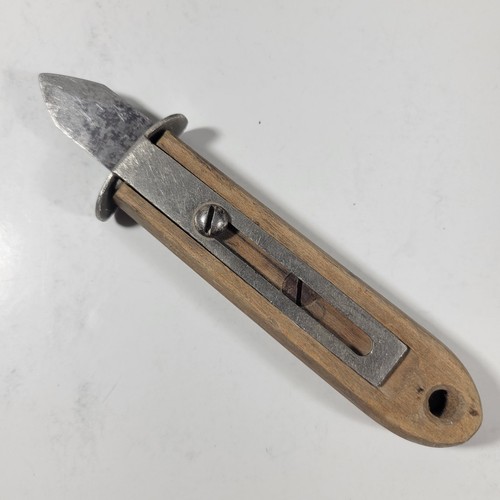
The sliding guard likely controlled the thickness of each cut. Loosen the screw, move the slide, tighten it again, and slice. Simple. Useful. Built for a job.
No fancy design. No extra parts. Just a sturdy tool that did what it needed to do.
Why the Sliding Guard Matters
The adjustable guard is the big clue. A plug of tobacco could be tough, so cutting it evenly mattered. The guard helped keep each slice controlled and probably made the tool safer to use.
The hole in the handle also makes sense. Someone may have hung it on a nail in a shop, barn, or general store. I can almost picture it next to twine, old hand tools, and a coffee can full of mismatched screws.
Every old workspace had one of those cans. Somehow, none of the screws ever matched anything.
The Remington Mark and Number
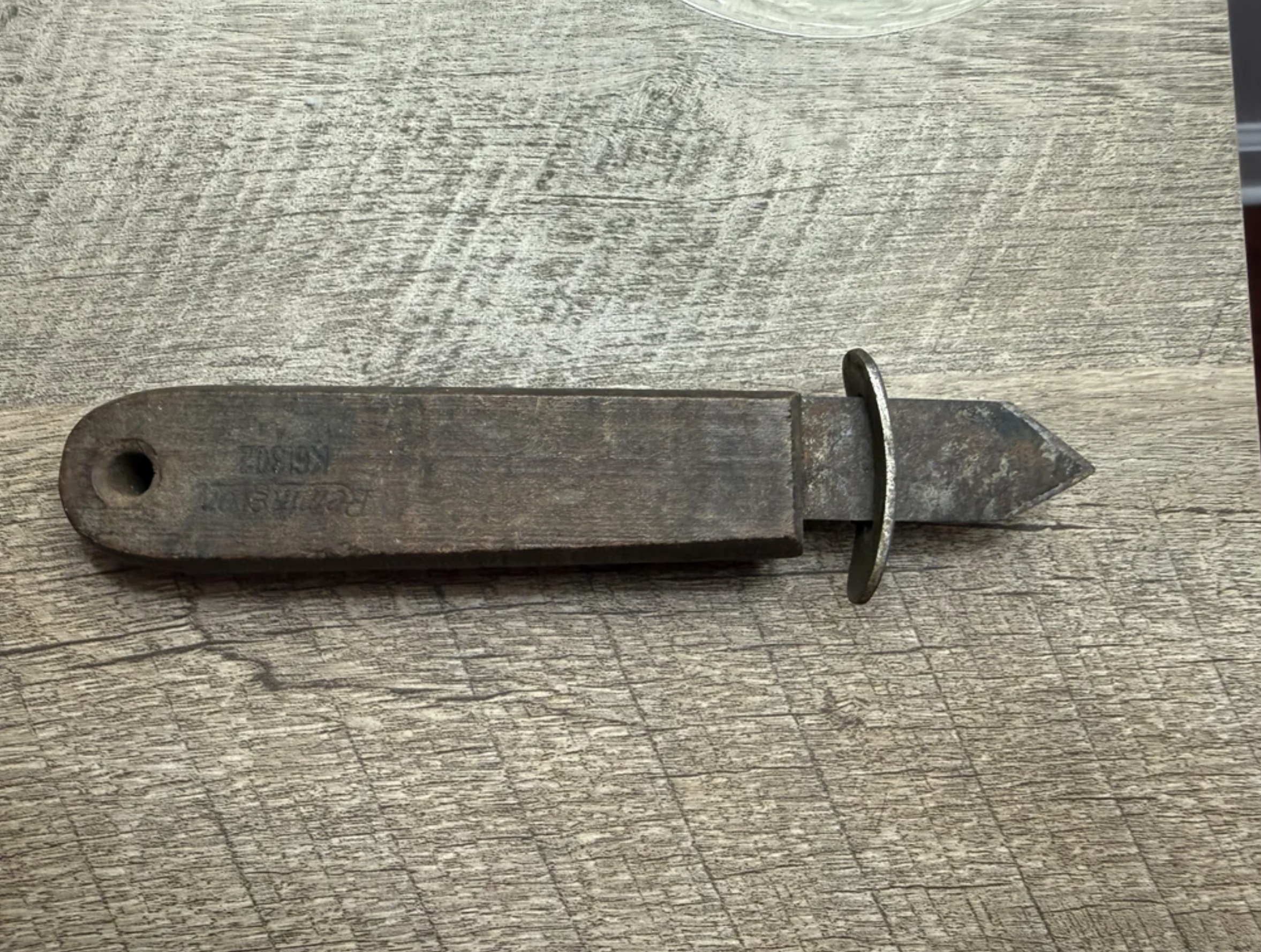
The stamped Remington name gives the piece extra interest. Many people connect Remington with firearms, so it’s easy to assume this tool had a military use.
The number under the name was probably not a military serial number. It was more likely a model, pattern, or catalog number. Old tools often carried numbers like that.
So while the Remington mark is interesting, the shape tells the real story. The short blade, adjustable slide, and handle point to tobacco cutting, not combat.
Why Was It with World War I Memorabilia?
This part feels very familiar. Families don’t store history like museums do.
Grandpa may have kept war items, pocket tools, letters, knives, tobacco pieces, and random keepsakes in the same box. Not because they all belonged together, but because they all belonged to him.
That’s how attic collections happen.
This cutter may have belonged to Grandpa. It may have belonged to his father. It could have come from a farm, shop, or general store. Someone used it, kept it, and eventually tucked it away.
That alone makes it worth saving.
A Tool from the General Store Days
A Remington tobacco plug cutter comes from a time when everyday items required more hands-on work. People cut tobacco, measured nails, repaired tools, and kept useful things around.
Plug tobacco was common in general stores and rural homes. Larger cutters sat on counters, while smaller tools like this one worked for personal use or small jobs.
It’s not glamorous history, it’s better than that and it’s regular life.
The worn handle, rusty blade, and dark patina show that someone actually used this thing. It wasn’t decoration. It had a purpose.
Should You Clean It?
I’d go easy.
A soft cloth and dry brush are enough for loose dirt. Don’t scrub it shiny. That old surface helps tell the story. Heavy cleaning can damage the marking and reduce collector interest.
If the slide is stuck, don’t force it. A tiny bit of penetrating oil may help, but patience matters more than muscle.
Also, write down where it was found. A simple note saying, “Found in Grandpa’s attic with World War I memorabilia,” adds family history that could easily get lost.
Why This Little Cutter Matters
This Remington tobacco plug cutter may not be a war relic, but it still belongs with family history.
It tells a story of old shops, practical tools, plug tobacco, and people who saved things because they were still useful. It’s rusty, worn, and plain. That’s what makes it feel real.
Some attic finds are valuable because they’re rare. Others matter because they connect us to someone.
This one does both, in its own quiet way.