Bet You Never Noticed

December 12, 2025
Source: Reddit
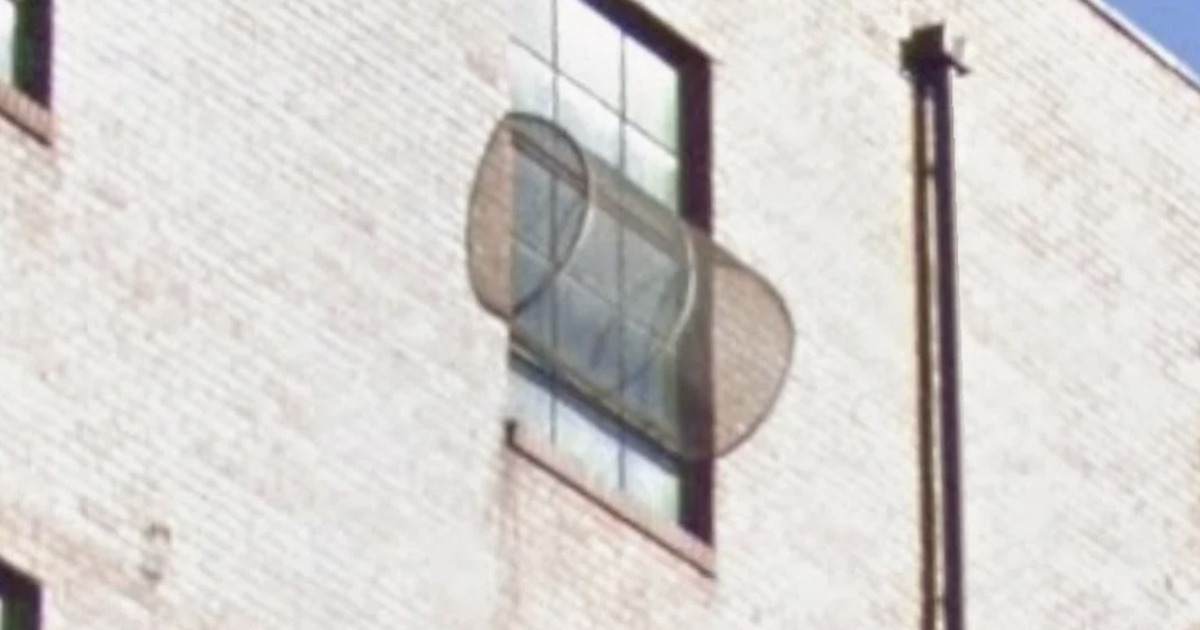
Many older feed mills were created solely for functionality. In turn, their design mirrored the requirements of an extremely dusty and demanding environment. A feature that has largely been overlooked by the general public is the presence of tilt out windows with curved protective screens. These older feed mill screens clearly served a purpose — ventilating, cleaning, and controlling pests.
Practical Ventilation Through Tilt-Out Windows
Prior to the use of mechanical ventilation systems, feed mills relied upon tilt out windows to provide ventilation. In many cases, builders hinged tilt-out windows at the bottom or middle so they opened outward and drew fresh air into the building. Only a portion of the window would be open to create airflow without compromising the structural integrity of the building.
Protective Screens Did the Dirty Work
Birds and rodents were drawn to grain and feed. Birds and rodents could potentially contaminate product, damage equipment, or start a fire with nesting materials. As such, mills installed curved metal screens over the tilt out portions of the windows to prevent animals from getting inside while still permitting air to flow through.
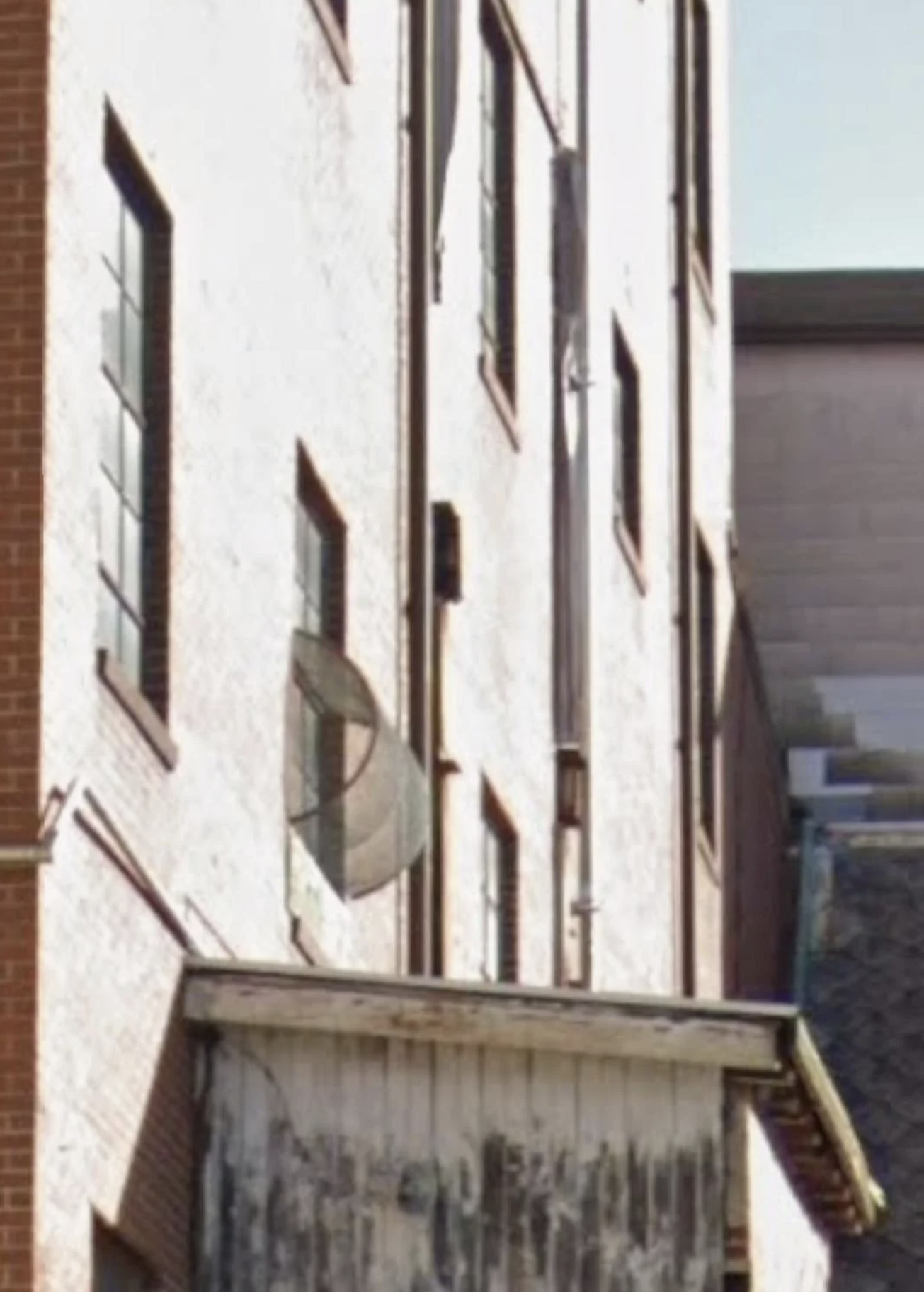
The curved metal screens performed several tasks:
- They kept birds and rodents from entering
- They blocked leaves, dust, and debris
- They permitted airflow to continue uninterrupted
- They protected the open windows from wind, rain, or snow
The curved shape allowed for sufficient clearance for the tilting window panes and also assisted in shedding water or snow. Heavy gauge wire mesh was utilized to provide long term durability in heavy duty applications.
Function Over Form
The curved metal screens installed over the windows of older feed mills were not decorative. They were rugged, low maintenance, and designed to last. It’s not uncommon for the curved screens to still exist on the brick exterior walls of old feed mills today, though many have likely rusted away.
The curved shape of the screens was purely for function purposes — providing the necessary clearance for the tilting window panes and sufficient strength to withstand the elements for many years.
A Look at Design Innovation
The old feed mill screens illustrate how simple design solutions can solve common problems. There were no electric motors, sensors or other high tech components to rely upon. Simply mesh, metal, and creative design solutions.
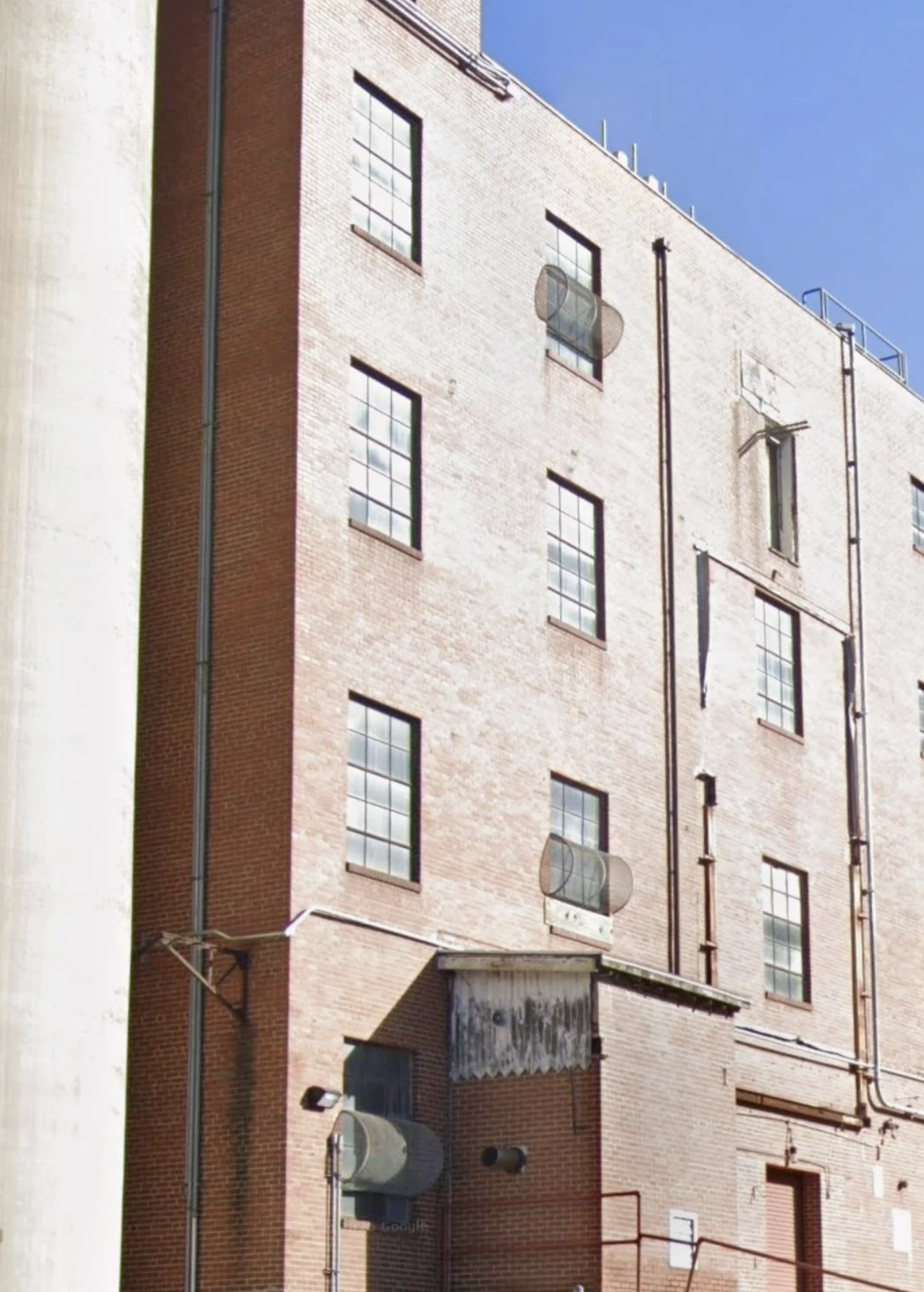
The simplicity of these design solutions reflects the hands on approach that existed during this time period. Old buildings did more than house workers; they functioned as tools that protected employees, maintained clean air, and ensured reliable operation.
Lost Functional Features of Older Feed Mills
When owners repurpose or demolish older feed mills, they permanently destroy functional features like these curved screens. These curved screens serve as evidence of practical design and the ability to construct a building with lasting performance capabilities. While they may not have been aesthetically pleasing, they were important.
Old feed mill screens quietly tell a story of how design solutions once served necessity — providing clean air, safe product storage and pest control — without unnecessary complexity.