Any Clue What It Is?

November 29, 2025
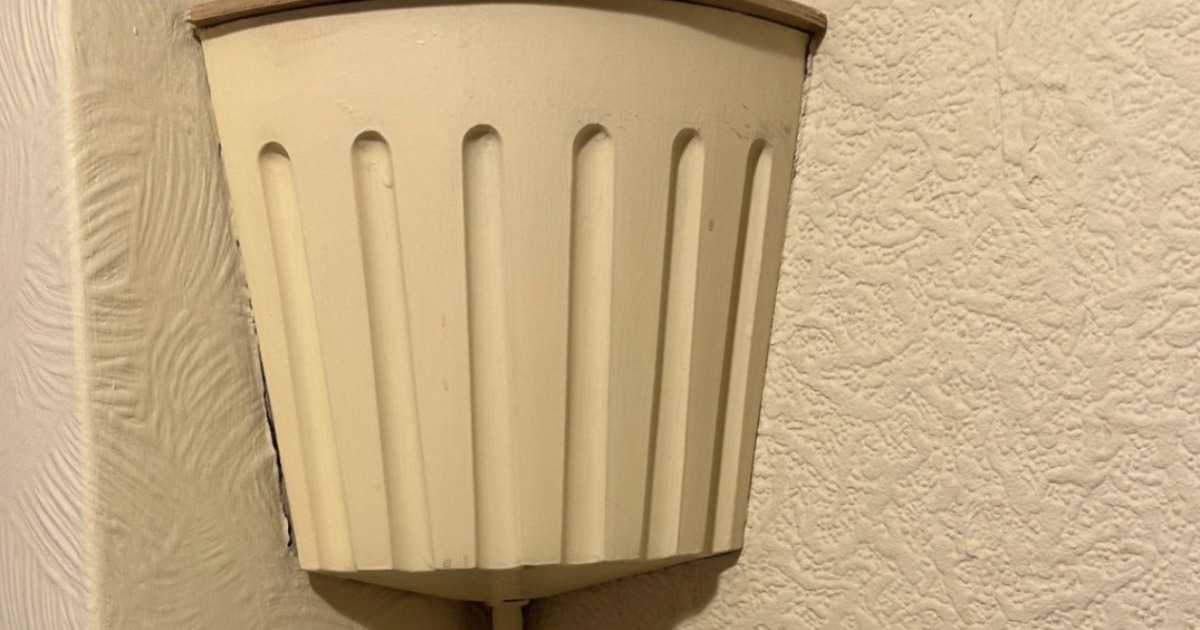
Source: Reddit

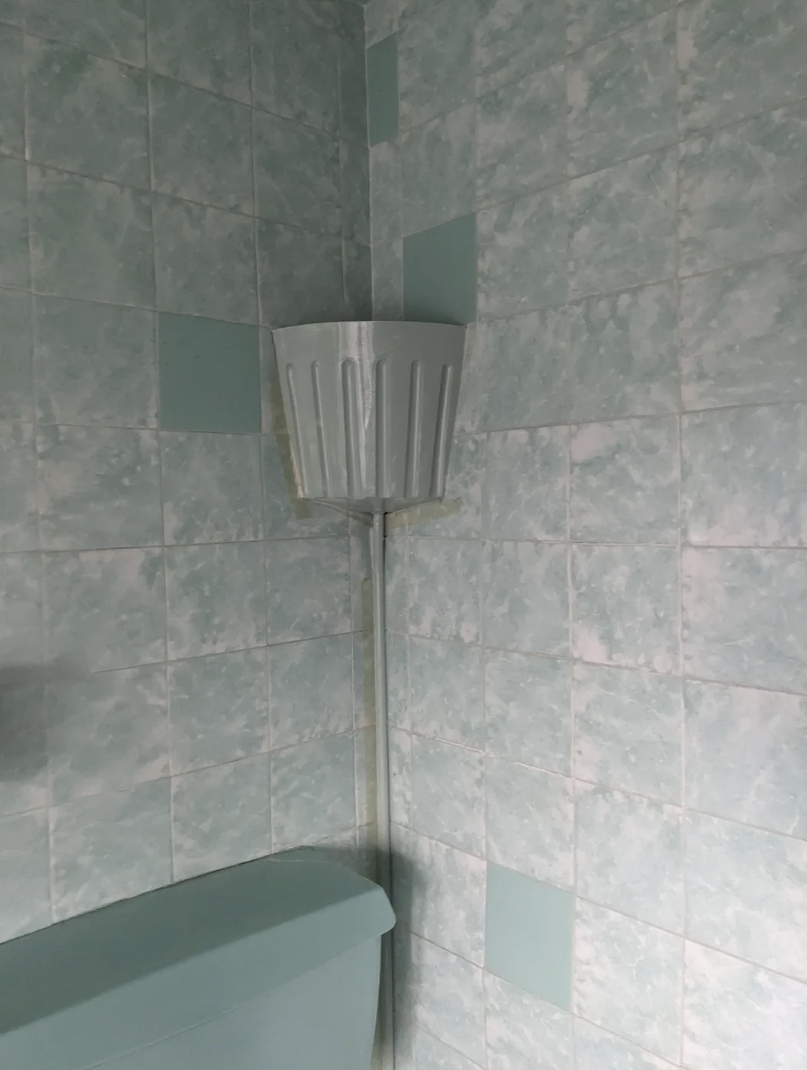
You can purchase an older home in the UK and possibly discover an unusual tank attached high up in a bathroom corner. The tank is usually confused with a soap dispenser or is considered to be a lost part of plumbing. For many people who experienced the 1970s, however, this tank was a common item in their home.
The unusual tank was a component of the growing 1970s UK heating systems.
A Functional, If Awkward, Fixture
In the 1970s, many UK homes were equipped with new central heating systems, including early versions of warm air heaters. A typical feature of these systems was a tank used to regulate water pressure and level. This occurred as the heating system operated. This type of tank was referred to as a feed and expansion tank or header tank.
Placing the tank in the top corner of a bathroom was a convenient location. This was because of the lower gravitational pull required by the water flowing from the tank. Additionally, bathrooms in most UK homes had plumbing access, which made the installation location very accessible – albeit aesthetically unappealing.
A New Age of Technology… (Kind Of)
While the 1970s central heating systems offered homeowners several conveniences – namely, the removal of individual coal-fired heaters in each room, the use of a single boiler feeding a network of radiators or ducts – there were many drawbacks to these new systems:
- Loud: Pipe noise, fan noise and the whine from the air vents.
- Less Efficient: The heat from the system was spread unevenly throughout the home. It also took much longer to warm the home.
- More Mess: Rust, leaks and buildup of debris/sludge inside the tank occurred frequently.
- More Difficult To Service: Because of the height and cramped location of the tank, it was difficult for homeowners to reach and repair.
Corner tanks, as a result, are an example of how functional engineering does not always translate into functional aesthetics over time.
Most Have Been Removed
Most homes have since been retrofitted with newer, more efficient and effective heating systems. Examples include combi boilers, sealed radiators, or radiant floor heating. However, remnants of old systems continue to exist. Occasionally, a tank will remain. In either case, whether it is still being used by an old boiler or simply sitting idle, it represents the design of a specific period in post-war British residential design.

If the tank is still being fed by an old boiler, it is probably a reminder of outdated heating systems. If it is no longer being used, it is likely a relic of a long-gone past. It is the shell of what was once intended to provide warmth.
Bathroom Heaters From The Past
The old tanks represent cutting edge technology for domestic heating in Britain. Today they represent memories of the time that British homes started using central heating, albeit inefficiently.
Next time you see one of these old tanks, you are viewing a small but indicative portion of 1970s UK heating systems. It is a relic of the time that Britain implemented central heating and made do with the space available.