A Strange Little Relic

February 10, 2026
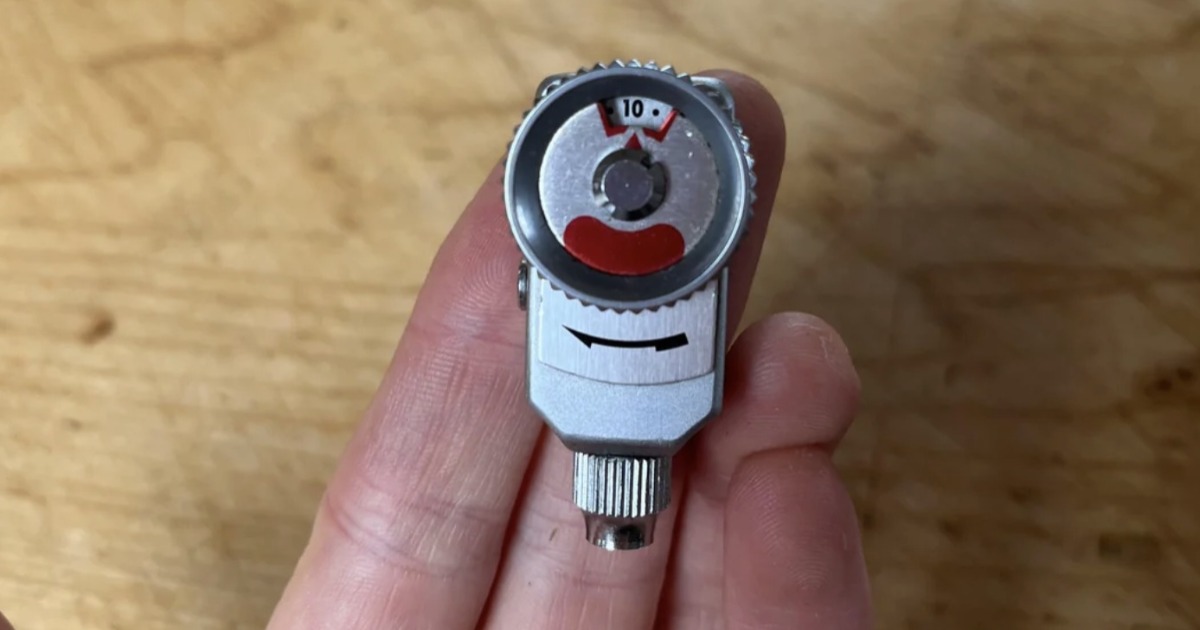
Source: Reddit
I have a sentimental attachment to old camera equipment that would likely withstand being dropped from a table… because it probably has. There’s something about a mechanical shutter timer that has that exact feeling of ruggedness; small, yet oddly heavy, and as if built to be indestructible. In fact, the first time I picked one up, I couldn’t help but think, “Why does this tiny device weigh like a pocket watch full of secrets?”
Then I wound it up, listened to its ticking, and it clicked.
What is a Mechanical Shutter Timer?
A mechanical shutter timer is a self-contained remote shutter release for older SLR cameras. You wind it up, select the number of seconds you’d like to wait (usually 5-10 seconds), press the button to start, and it fires the shutter for you when the countdown expires. No batteries. No electronics. Only gears, springs, and a soothing little tick-tock-tock… click.
In essence, a mechanical shutter timer is a compact piece of clockwork that will fire your camera’s shutter while you’re off-camera posing, rushing to get into position, etc.
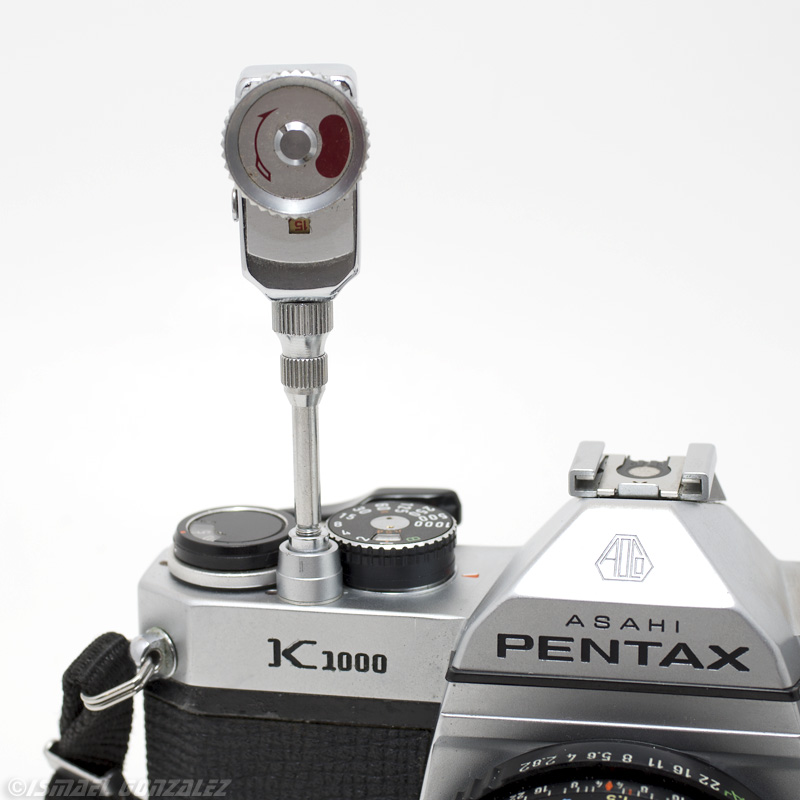
Why photographers used it
Using a mechanical shutter timer helped photographers solve three common issues at once:
1) Self Portraits & Group Photos: Wind-up the timer, set up the tripod, and step into the frame.
2) Sharper Photos from Tripods: Pressing the shutter can make a camera move slightly. A timer lets all vibration settle out before firing.
3) Old Cameras w/o Built-In Timers: Many older SLR bodies did not come equipped with timers. A mechanical shutter timer provided a solution.
Simplistic, effective, and rather brilliant.
How Does it Connect to a Camera?
Most models connect to a camera using a threaded shutter release connection – the same type used for cable releases, adapters, etc. Once connected, the timer counts down and fires the camera’s shutter at the end of the count-down. Thus, the body of the timer is typically made of solid metal in order to provide a stable and consistent force that won’t slip or vibrate.
The Best Part (Besides Results):
Modern timers are loud and flashy, and often try to begin a party. This timer simply works quietly. You wind it, listen to it count down, and then — Click. Quietly. Efficiently. Satisfactorily.
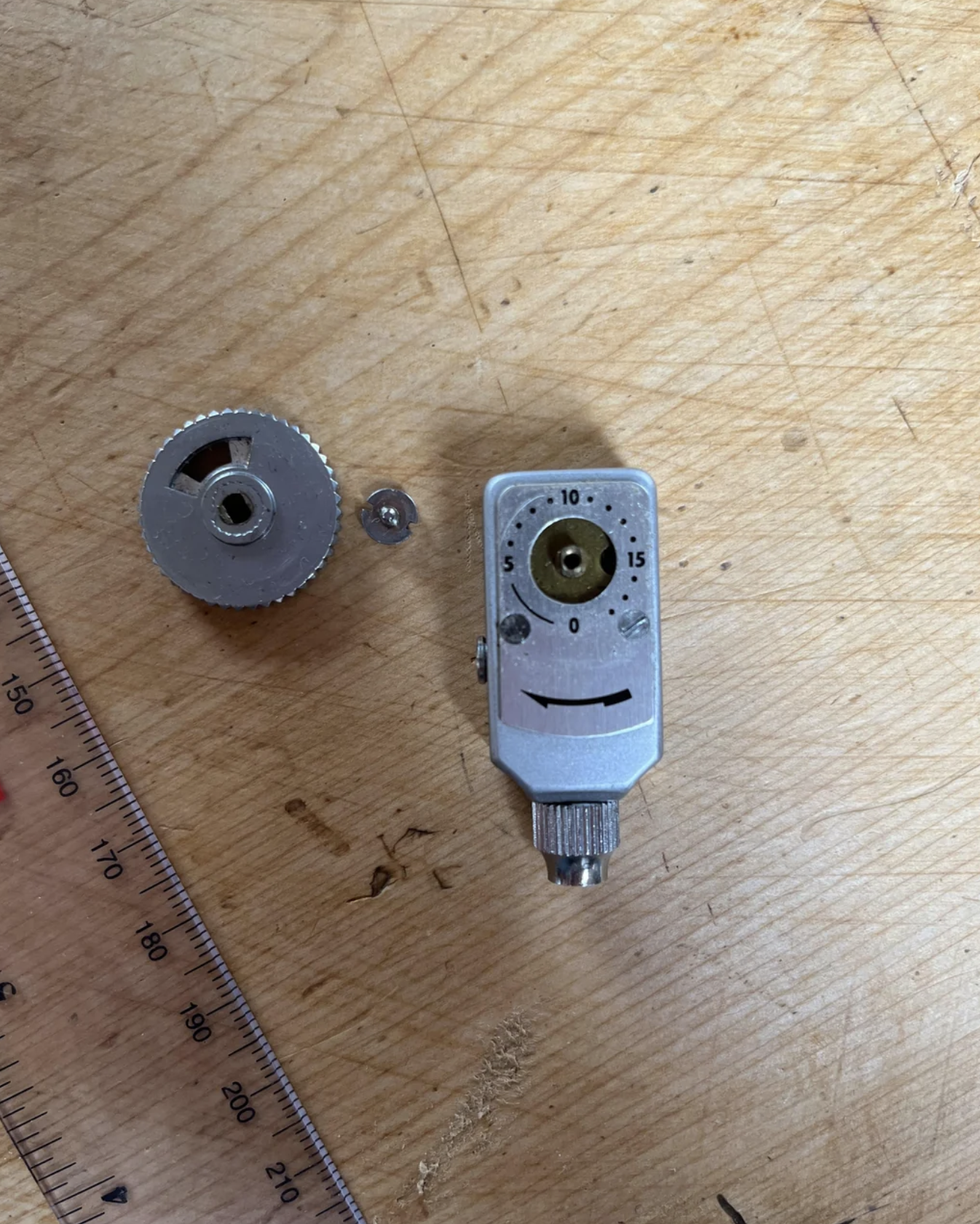
A Quick Care Tip
To keep your mechanical shutter timer working properly, do not force it. Do not wind beyond the stop. Keep it dry. If it feels rough, clogged, or griddy, it probably needs a cleaning, not encouragement.
Why I Still Like Them
Even though you may never attach your mechanical shutter timer to a camera, it provides a wonderful reminder of how photography used to be: hands-on, mechanical, and somewhat magical. One task. Completed efficiently. With a counting down ticking beat that makes you smile while waiting.