A Strange Aston Martin Discovery

April 4, 2026
Source: Reddit
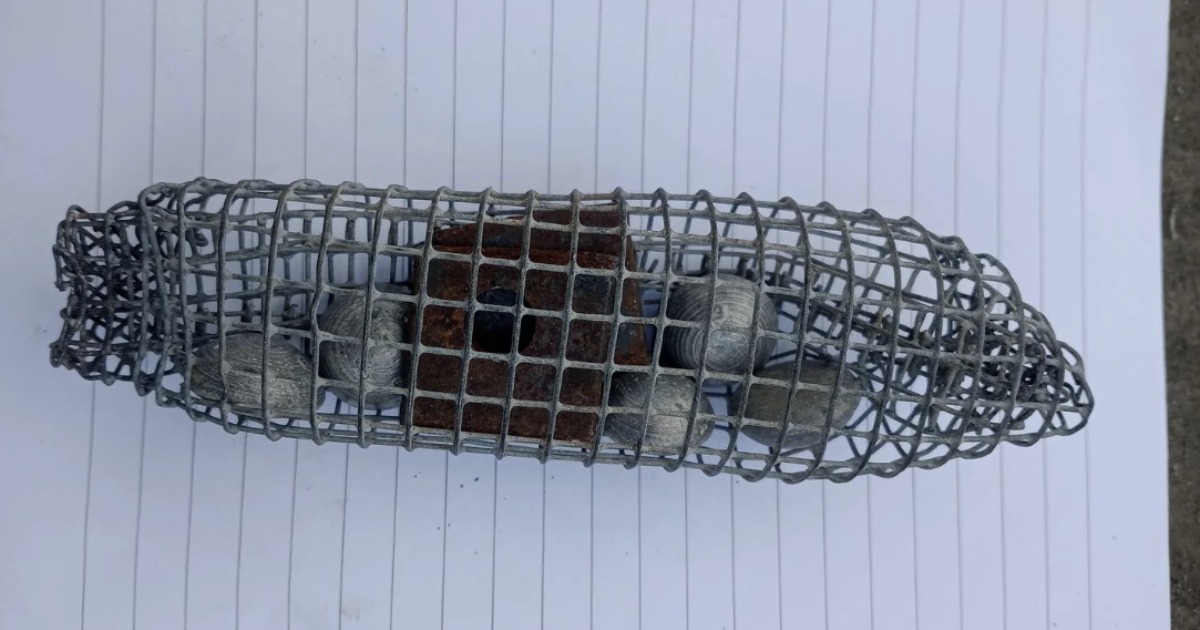
I’ve always been an enthusiast for old cars, however there’s no doubt they also will test your faith. Whenever I hear about someone opening a fuel tank and finding out something unusual inside, my first thought is “here we go”. Bad wiring is one thing. A homemade metal sausage (containing lead and iron) is quite another.
The above picture depicts a very interesting item that has recently surfaced in the fuel tank of a 1978 Aston Martin; an excellent example of the lead pellet myth. When many of the major oil companies began producing unleaded gasoline (petrol), many owners became concerned. Owners were told their older vehicles would need lead in order to operate properly. Owners were also told that unleaded gas would make their vehicle develop a “knock” or “ping.” After these concerns, rumors began to circulate.
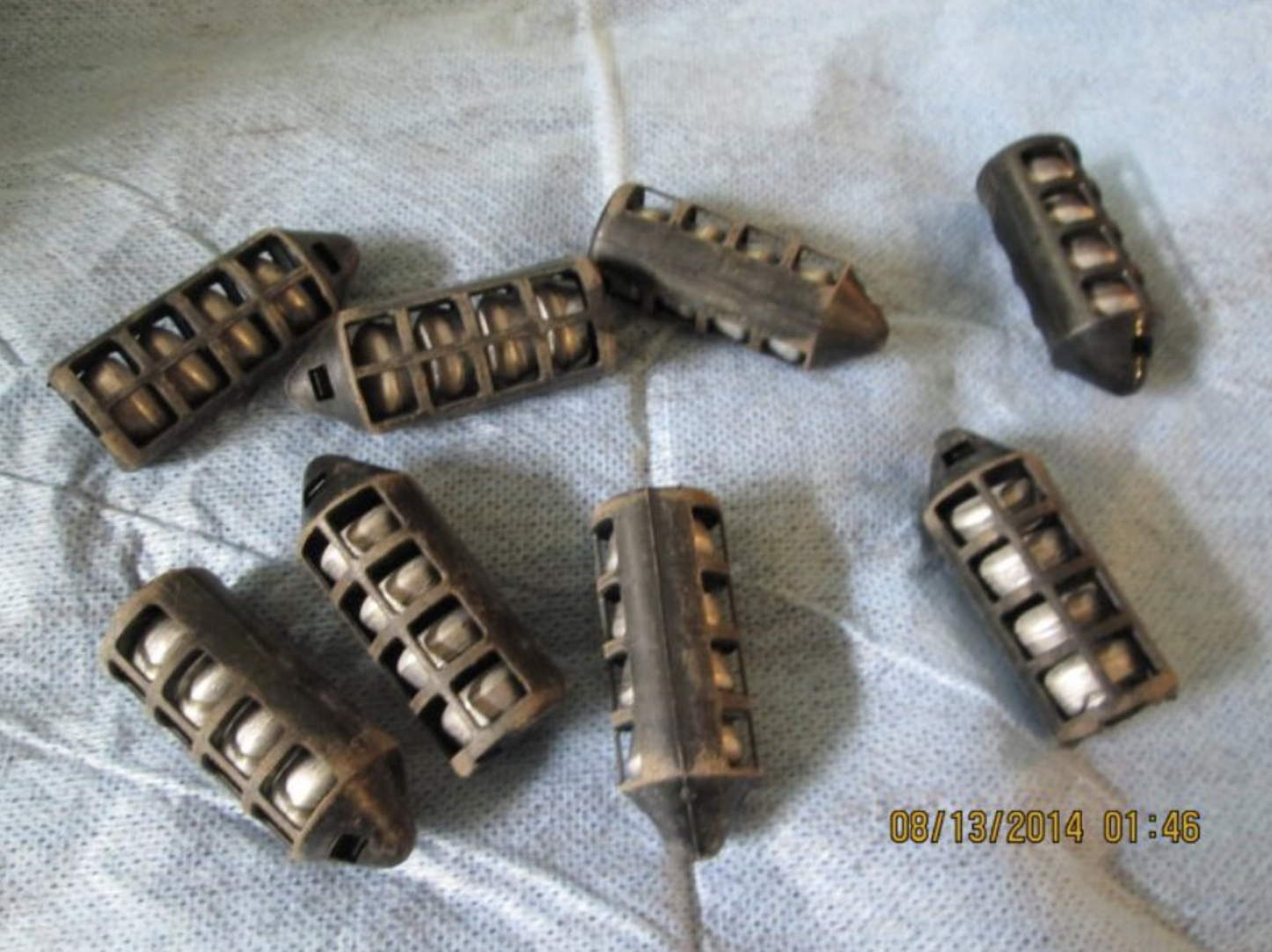
One of the most popular rumors that developed regarding adding lead to older vehicles stated simply that if you added a few lead pellets into the tank and allowed the fuel to “absorb” them, then once they reached the engine the fuel would be “leaded” again. That sounds like a rather brilliant solution… For approximately 5 seconds. That is until chemistry begins to take its toll and proves otherwise.
Why the Lead Pellet Myth Started
It is relatively easy to understand how the lead pellet myth evolved.
Everyone knew that older fuels contained lead. Everyone knew that newer fuels did contain lead. So everyone made the same simple conclusion: add lead back to your vehicle someway. “Someway,” of course, evolved into lead pellets, fuel line devices and countless other home brew remedies that appeared to have some purpose, but served none whatsoever.
That is garage thinking at its finest. A small rumor plus a bit of faith = someone builds science fiction in his/her shed.
Why It Never Worked
The lead pellet myth didn’t work due to the fact that leaded fuel operated as a chemical mixture, not as a result of floating lead around in a tank.
Fuel flowing over the lead pellets wouldn’t turn unleaded gasoline into leaded gasoline. It wouldn’t raise octane levels in any practical manner, it wouldn’t prevent knock. It wouldn’t help protect your engine solely based upon some metal being present in the tank and appearing somewhat significant.
And that’s essentially the entire story here. Although the idea seemed mechanical, the issue was chemical.
What It Could Do Instead
Although this type of device could potentially do something, it definitely wasn’t going to do something beneficial.
Iron could rust. debris could become loose. Fuel flow could become restricted. The tank itself could become dirty. Then the next owner gets to enjoy tracking down clogged filters and mysterious issues with their fuel supply. That is typically how old car “repairs” grow old.
Poorly.
Why Finds Like This Matter
I continue to enjoy discovering items such as these because they generally tell a story; somebody cared enough about that vehicle to attempt to implement something. They may have had poor guidance, however they were attempting to protect the engine at a time when many were uncertain about the new products.
This is why I think the lead pellet myth should be remembered. It serves as a reminder of how motorists responded to changing types of fuel and trusting/using either legitimate repair techniques or folklore.
And sometimes folklore ends up in the fuel tank.
So yes, remove it, clean out the tank, and move on. But retain the story. It is a humorous anecdote from automotive history, and old cars are filled with stories like this.