A Small Object with a Hidden Story

July 16, 2026
Source: Reddit
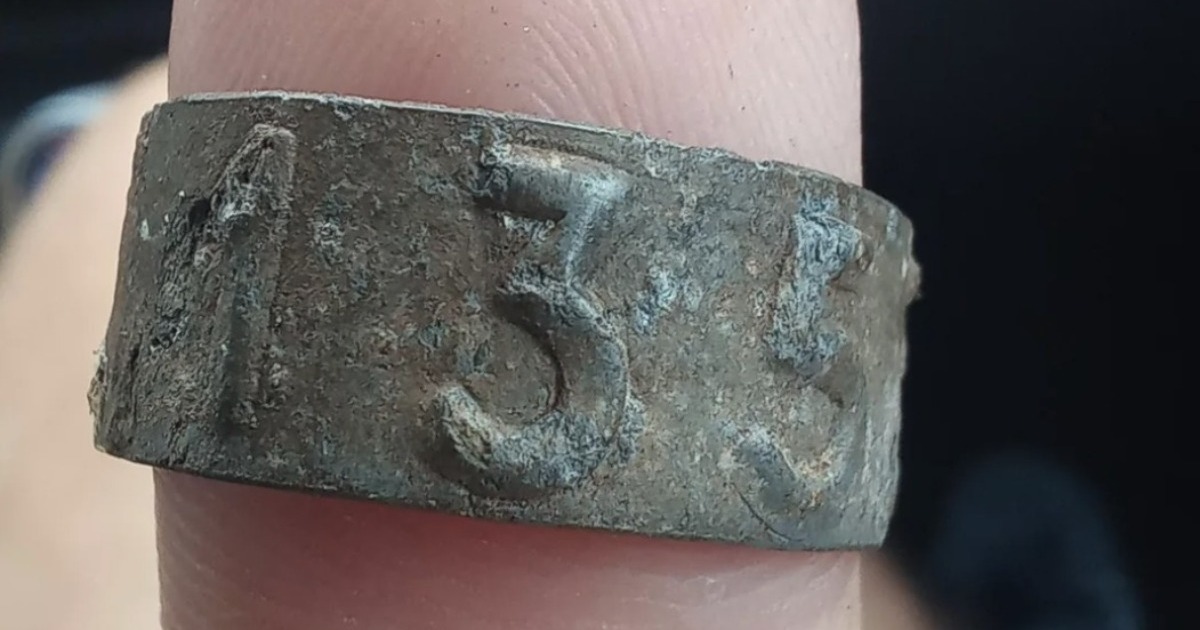
When I first saw this small metal ring, I assumed it came from the castle ruins.
It looked old, corroded, and covered with stamped markings. For a moment, I pictured some medieval object lost near Merkenstein centuries ago.
But it wasn’t jewellery or part of a soldier’s gear.
It appears to be a bird-ringing band found at Merkenstein ruins in Austria.
What the Ring Was Used For
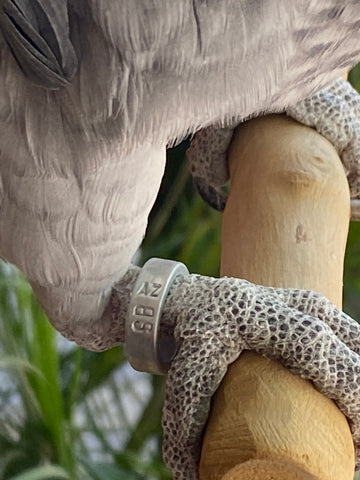
Researchers place bird rings around a bird’s leg to identify it.
Each band carries a number and usually the name or location of the issuing organisation. The researcher records the details, then releases the bird.
If someone later finds or catches the bird, the ring can reveal where it travelled, how long it lived, and whether it returned to the same area.
Simple idea. Useful results.
The Markings on the Band
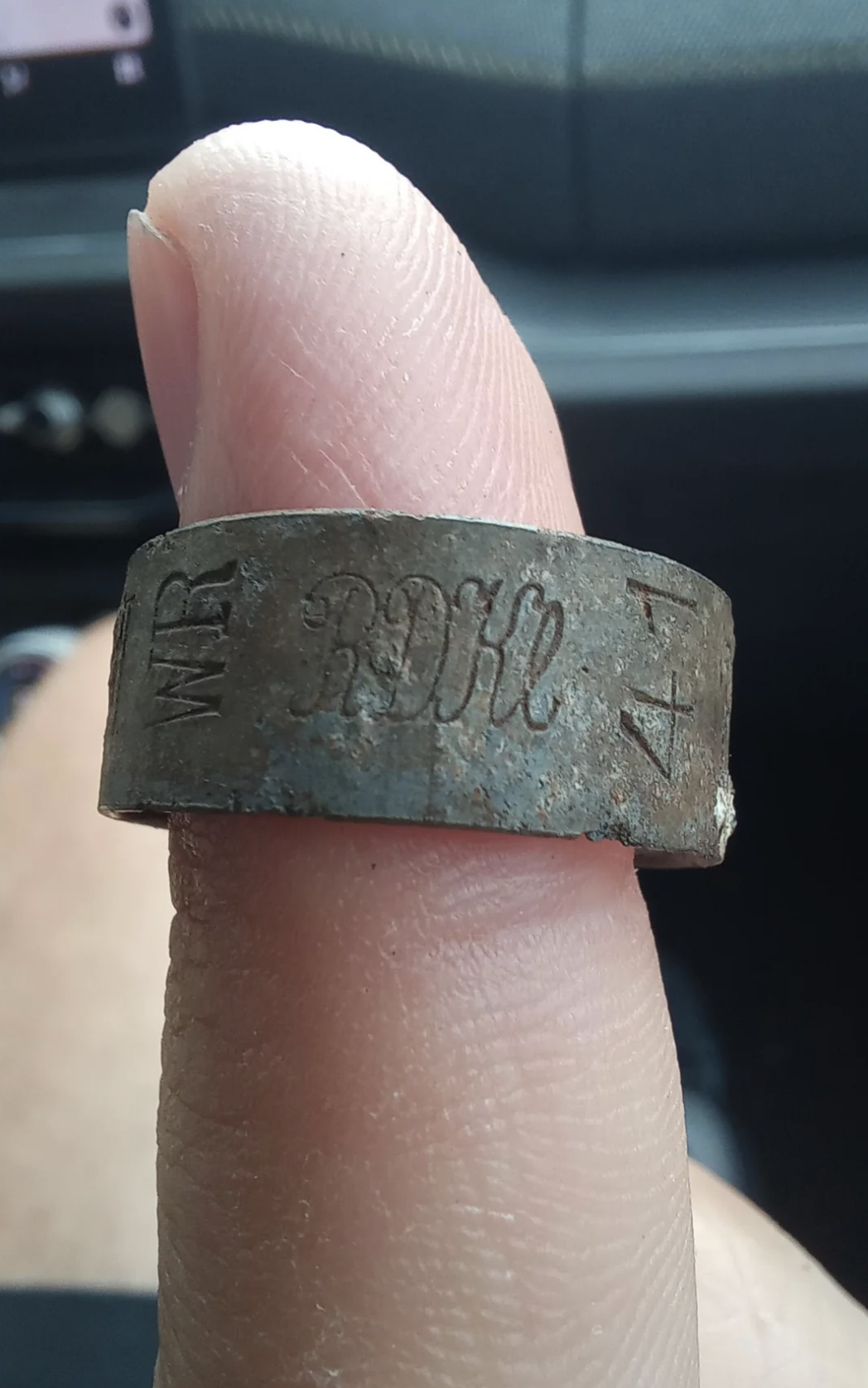
One part of the ring appears to read “WIEN,” the German name for Vienna.
Other sections show numbers, possibly including “47” and a longer serial code. The Vienna marking suggests that an Austrian bird-ringing organisation issued it.
The number 47 may represent a year, but that isn’t certain. It could also form part of the identification number.
The ring’s shape supports the bird-band explanation. It consists of a thin metal strip bent into a small cylinder, with a seam where it was closed around the bird’s leg.
Why It Was Found Near Merkenstein
Merkenstein is a medieval castle ruin near Bad Vöslau in Lower Austria. That setting makes any old metal object feel ancient.
Still, the band likely came from a much later period.
A ringed bird may have died near the ruins. A predator could have carried it there. The band may also have moved through soil or leaves before someone found it.
The castle gives the object atmosphere, but the ring tells a separate story.
What Kind of Bird Wore It?
The ring looks small, so it may have belonged to a small or medium-sized bird. However, photos alone can’t confirm the species.
An expert may use the band’s size, width, material, and lettering style to narrow it down. The full serial number would offer the best chance of identification.
A ringing centre might hold records showing the bird’s species, ringing date, and original location.
That would turn a corroded metal band into a record of one bird’s life.
Why Bird Ringing Matters
Bird ringing helps researchers study migration, survival, breeding, and population changes.
Thousands of ring recoveries can show which routes birds use, where they stop, and how long they live. That information also supports conservation work.
One ring provides only a small piece of data.
But enough small pieces can reveal a much larger pattern.
A Small Object with a Real Story
The bird-ringing band found at Merkenstein ruins may not be medieval, but it still connects the site to the past.
At some point, a researcher held a bird, fitted this band, recorded its number, and released it.
The bird flew on.
Years later, the ring remained near the ruins.
That’s what makes the find memorable. It isn’t treasure in the usual sense. It’s proof of one bird, one scientific record, and one journey that may never be fully known.