Unlocking the Secrets of a Mysterious Antique Find

August 9, 2024

Source: Reddit
Isn’t there something alluring about going through the items in the basement of an old house? It reminds me of those childhood days when I used to climb the attic or the cellar in search of the lost treasures; it could be an old book, a forgotten toy or even a metal artifact hidden in the corner. Those were the days when every find was as if some part of history was revealed and could be touched.
Not long ago, I was searching for antiques in an ancient New England house and found a similar piece – a large and rusty metal piece with the word “Puritan” engraved on it. As soon as I held it in my hands, I was again taken back to those pure days, but this time, my interest forced me to look for more information about it.
This particular ingot, possibly lead, is a rather interesting relic of an industrial age that contributed greatly to the formation of the contemporary world. Lead ingots are not recent in the market, but have been in use for many years even in the early ages by metallurgists. But the “Puritan” brand helps to approach the 19 th and 20 th centuries, the time of the industrial revolution and the appearance of brand products guaranteeing the quality of the products.
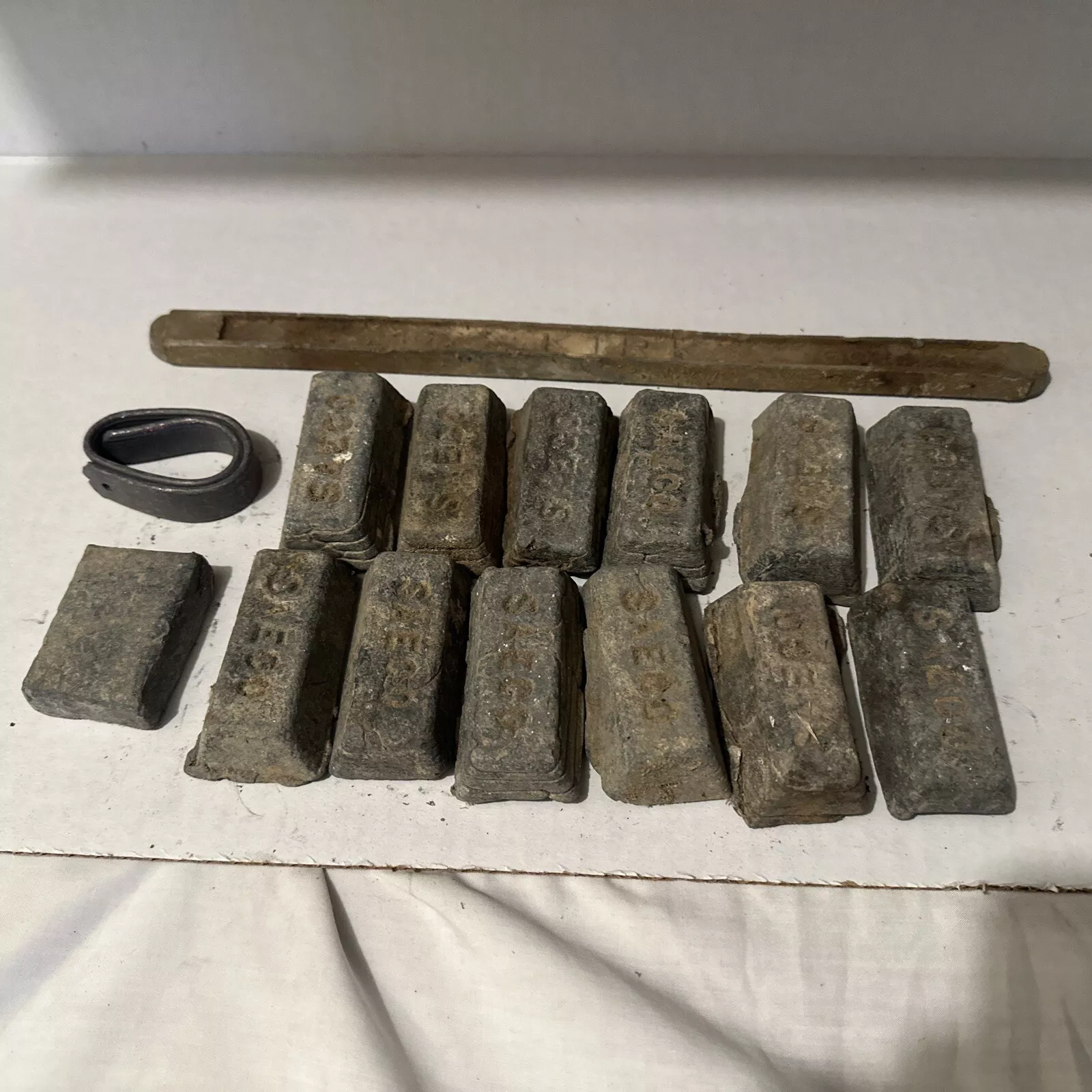
Lead was rather a universal material that could be effectively applied in plumbing, roofing, production of bullets and fishing sinkers. The ingots were an easy and practical way of storing the metals, it was their job to be melted and forged into the required structure. Consider the blacksmiths, plumbers, and craftsmen of the past where their workshops were crammed with tools and the aroma of heated metal and as they molded these s-bars into useful items for use in the society.
At the peak of its usage, lead was regarded as an essential commodity that formed part of the foundations of various structures and mechanisms that defined the development of towns and cities across America. The Puritan brand like many of its contemporaries was about quality and dependability. That stamped ingot you hold in your hand, is not just a piece of metal but the faith people had in the tools and materials that shaped the world around them.
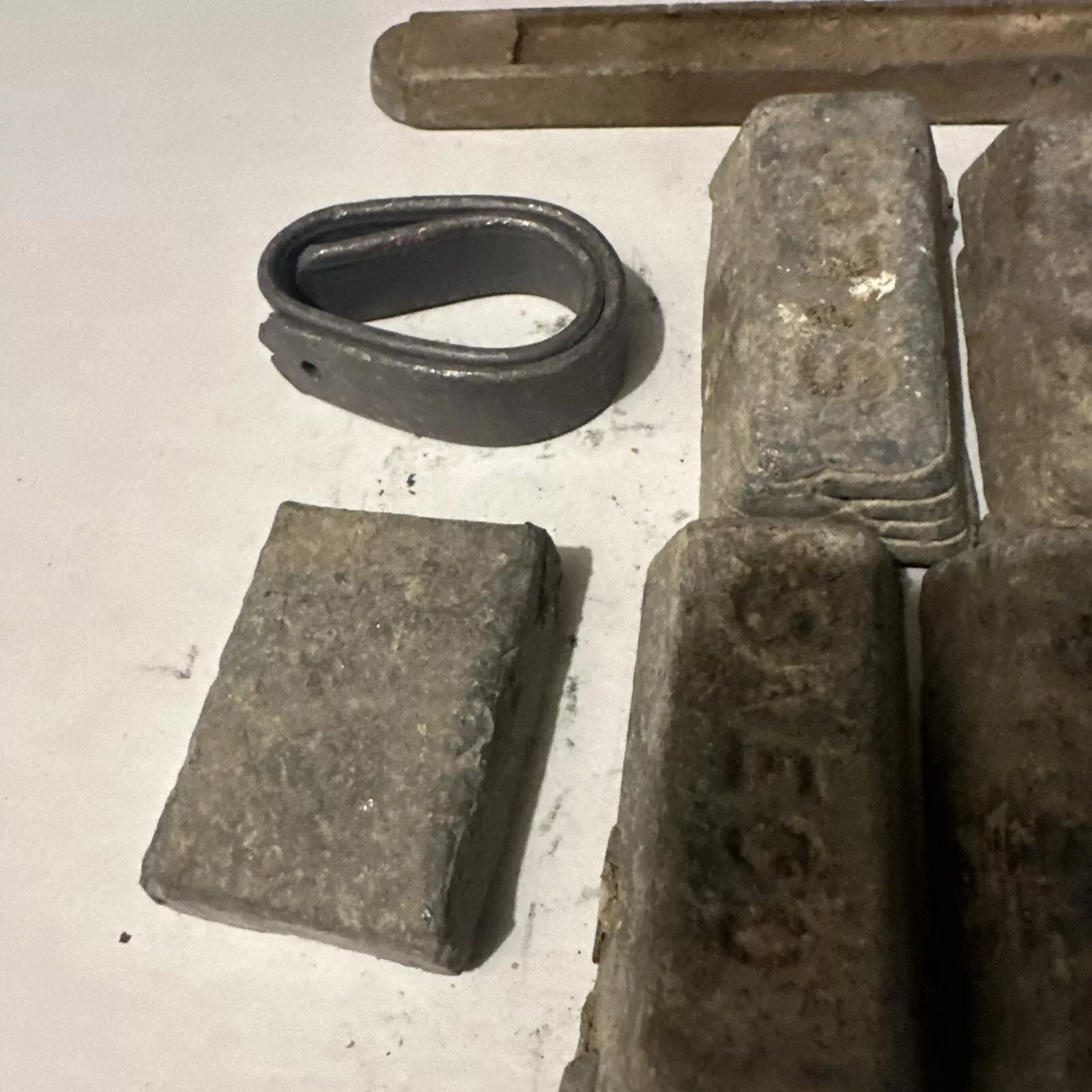
The industrial revolution marked some of the major changes that took place in the society and the lead ingot although not very significant was essential in this process. It played a role in the aspects of today’s lives, for example, having water running in houses or having electricity, which also requires lead and other similar materials.
When we stand here today and look at this ingot we aren’t just looking at a chunk of metal – it is history, the story of the future in a sense. Just think about gathering with your family, having a dinner and telling stories of how things were produced in the old days, the attention to detail and the art of creating things. It is as if one is discussing with a friend the days of the past where every object had some history to it and every utensil had a use.
It is rather uplifting to engage with these fragments of the past all over again. It makes us think of a time when things were manufactured with the ability of withstanding time, a time when people cared about the quality of their products and not the hastiness of their production. Thus, while the world has evolved in so many regards since then, having this Puritan relic in one’s hands is a subtle way of being reminded that there are certain things that remain constant and unchanging: quality and reliability.
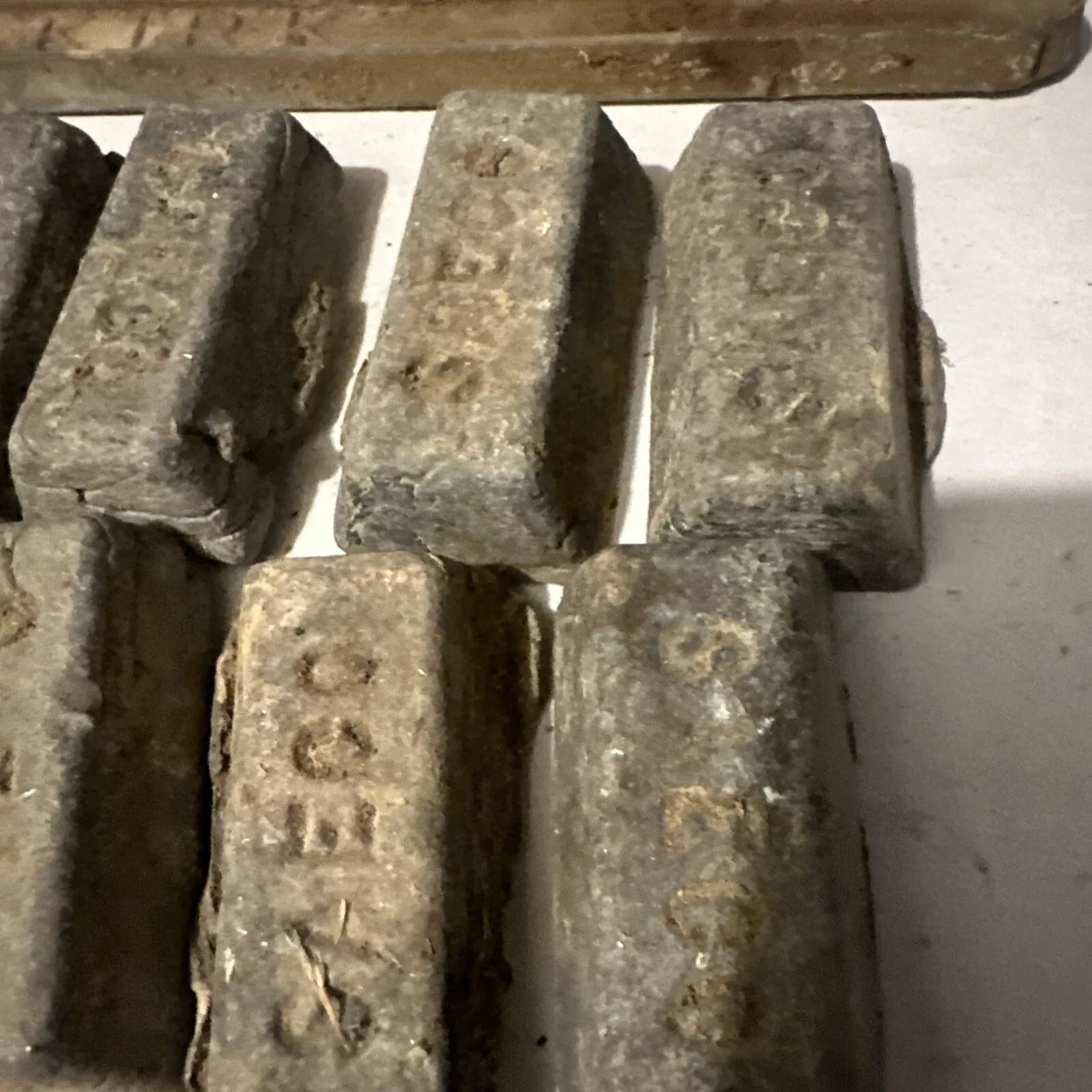
Therefore, the next time you decide to clean your basement or attic, and start organizing junk, do not forget to look for the treasures. You never know what you may come across, for example, this Puritan ingot, which not only can be linked to history but also can tell a story of people, the epoch, and the principles that define the course of history. These are the discoveries that sustain the feeling of nostalgia and remind people about the happiness of the bygone era.