Unlock the Potential of This Underrated Tool

September 2, 2024
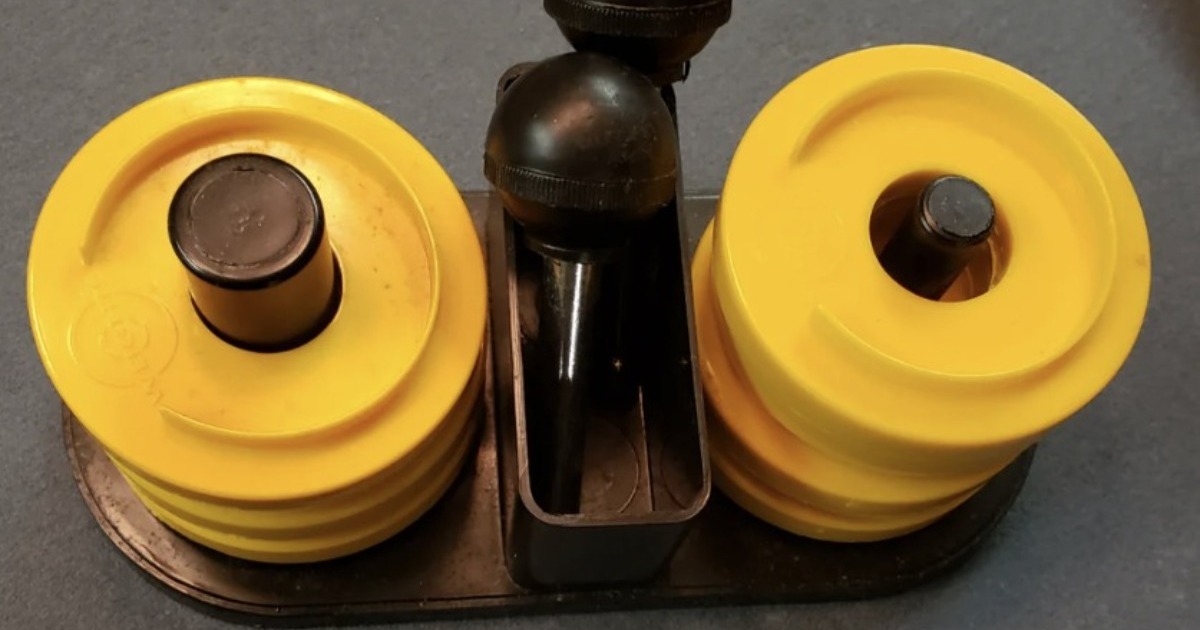
Source: Reddit
Have you ever lay still and listened to the gentle humming of your grandmother’s sewing machine as it sat in the corner while she sewed a new piece of clothing? May be you were near her, helping her arrange pieces of fabric or watching in awe at the utensils she used – all these with their specific functions, and when put together, they give a quilt, a dress, or curtains. Among these tools you may have come across small weightlets which were used for holding patterns in place. These were the men who worked tireless behind the scene in the sewing section, making sure that all the fabric is well pinned down so the creation can be made.
At that time, each of us had an opportunity to be taught sewing by the older women in the family, mothers, grandmothers or even aunts who enjoyed the process. Pins were the most important thing when it came to holding fabric in place but as the crafting world grew, so did the tools. Introducing the OLFA O-Weights, a contemporary solution to an age old problem, to help fabric workers work smarter not harder.
OLFA O-Weights were created at the time when the crafting and sewing industries were undergoing a revival. The second half of the twentieth century was marked by a renewed interest in DIY culture, people’s desire to go back to the roots, to produce something with their own hands that had been made by machines. Quilting, sewing and crafting was no longer just a past time activity but a way of expressing oneself in the society, while still following culture and religion norms.
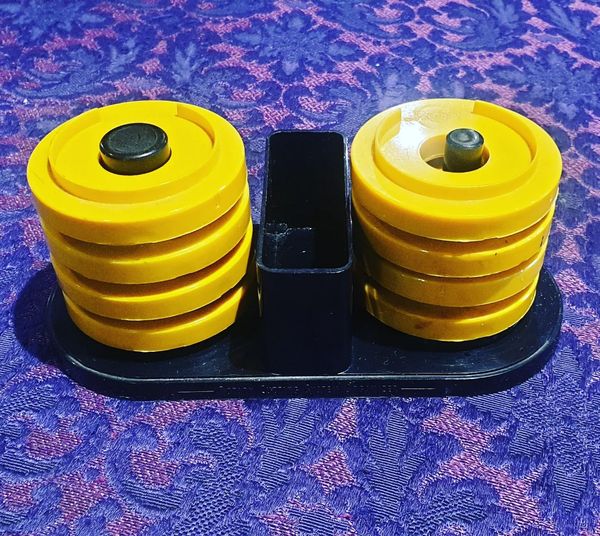
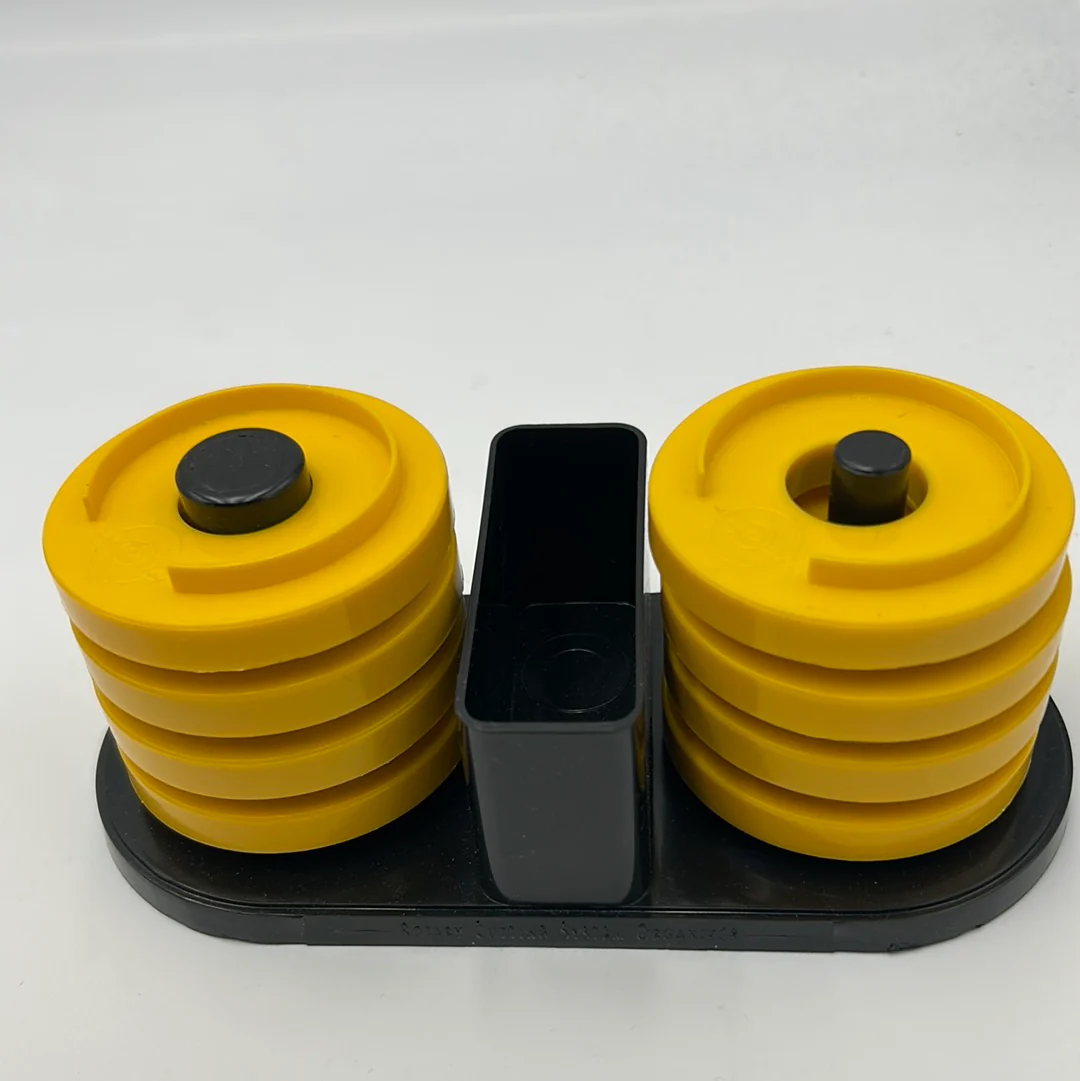
The O-Weights also followed this pattern and the same as many other products of OLFA became popular among crafters. The product has no complex structure: it is a heavy, plastic-like material that keeps fabric and patterns in place, without the use of pins. No more tiny pinpricks or moving of fabrics around; these weights made cutting and marking of the fabrics not only easier but also accurate.
For those who experienced the problems associated with the slippery materials the O-Weights were a breakthrough. They were not a big step but it was a useful one that helped to improve the workflow of the artists and let them enjoy the process of creation.
The use of tools such as OLFA O-Weights is indicative of other shifts in culture. With the increase of the number of people who engage in the crafting culture, there was a change in the preference for the handmade and the well made as opposed to the manufactured and the cheap. This was a part of a whole process which was aiming at creating a sustainable and selfreliant society, something that was highly valued by people who appreciated the wisdom of their ancestors.
These tools also contributed to the increased accessibility of crafting and making.It also helped in the democratisation of crafting. With improved tools, more and more people felt that they could take up sewing, quilting and other similar materials arts. These barriers were eliminated and the pleasure of making something with one’s own hands was opened to more people. This cultural change was instrumental to bring back the age old art and craft works and make sure that they did not die off in the face of technology.
OLFA O-Weights may be a part of many crafters’ world today and may just look like a simple tool to use but they do have a story behind them. It is a symbol of the past, when people did not have machinery and tools and their most valuable helpers were their hands, and objects that they made had a purpose which went beyond the functionality.
When we fondly reminisce the good old days, we should not forget the little changes that made it a bit convenient for us. So the next time when you are using a tool such as an OLFA O-Weight or any other tool of that kind, do take some time off and think about the history of that tool. It is not only the weight, it is a connection to the history and a way to create history in the contemporary world of crafting.
Thus, as you design your next project, with a hint of vintage appointed sewing rooms in mind, don’t underestimate the importance of these little weights. However they do not only keep the fabric in place but also the memories and the craftmanship which has been passed down from one generation to another and has developed and changed but remains grounded to its origins.