This Mysterious Item Was Once Essential—Here’s Why

September 1, 2024
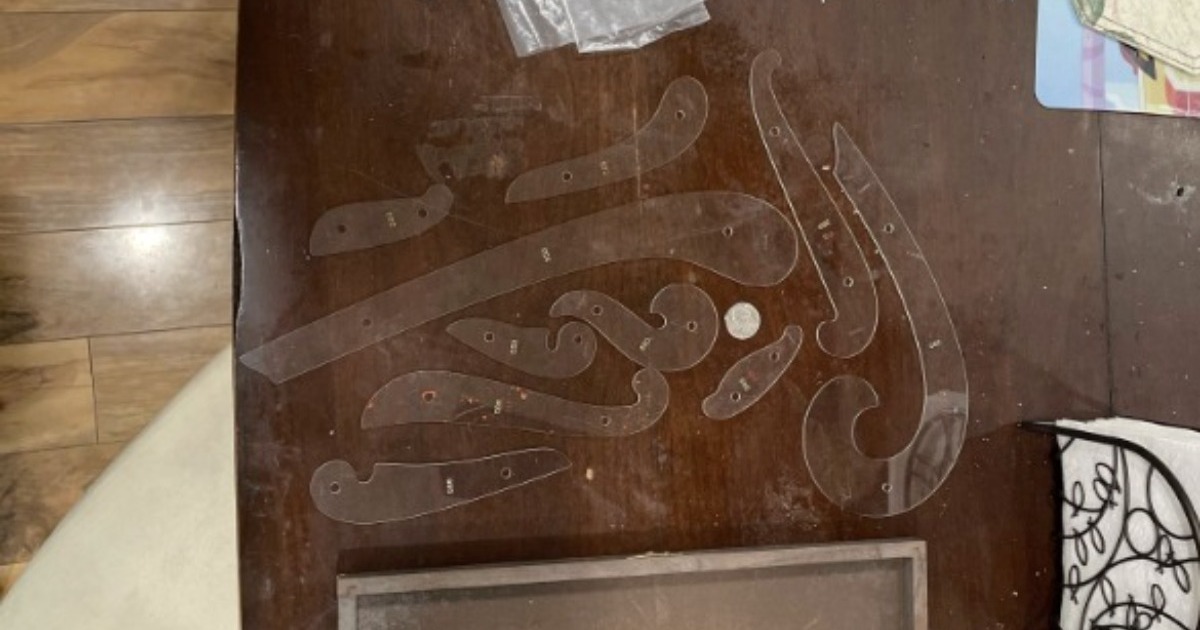
Source: Reddit
Do you recall how school art classes and drafting tasks had the smell of pencil shavings, and the grip of drawing tools? Design tools, which can be magical for many of us, were Introduction to the world of rulers, compass, and those peculiar, rounded, pieces of plastic called French curves. If you ever spent time drawing the outlines of these clear templates, wondering how they can give the perfect shape when you cannot with your pencil, you will agree with me. These memories are a sweet nostalgia of a time when accuracy and imagination were combined on pieces of paper.
According to the use, it is a rather old tool known as the French curve. These tools can be traced back to the 17th century but they gained much more popularity in the 18th and 19th centuries, which was at the same time as the technical drawing as a subject started to develop. Before the digital revolution that left engineers, architects, and designers with their hands tied, French curves were an absolute must-have. These tools facilitated this by enabling the creation of complicated and uniform curves that could not be designed by using a compass or even freehand. The tools are templates of different forms and are made from different materials such as wood, metal and the more common plastic in the recent world.
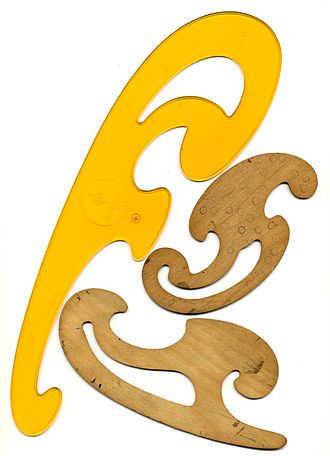
French curves are not only instruments used in drafting but are a symbol of an age when the art of making things was the most valued. In the field of architecture and engineering, these curves played a role in designing some of the most recognizable shapes of our world including the arcs of bridges, the lines of ships and the contour of automobiles. In fashion, they were used in the development of shapes of the clothing patterns which made it easier for designers to bring out the shape of the garment. The various uses of these tools are very crucial – they were part of set of tools which was used to shape this world that we live in today in every aspect.
In the course of the 20th century, the use of digital tools started to replace manual techniques when creating drafts. But French curves have never actually been completely phased out. Such creations are a symbol of the time when accuracy and perfection were a result of efforts and efforts made, a symbol of the fact that the hand and the mind were the most important tools in the design process.
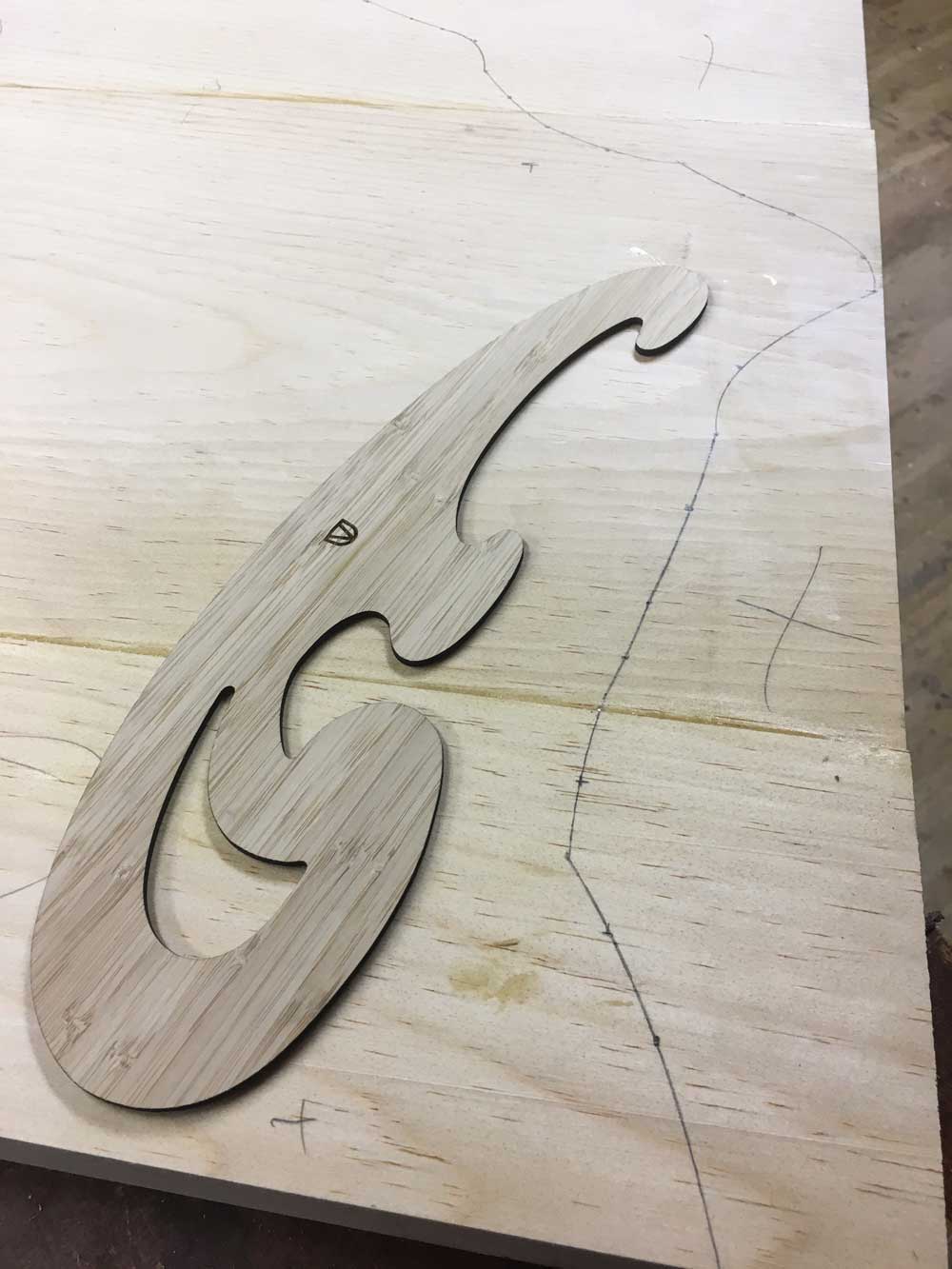
Today also, there is a certain level of enjoyment in using French curve. From the artist who wants to enhance the last piece of work, the designer who wants the perfect line or even the person who loves the feel of well made objects, French curves provide an link with the past. Despite the fact that they have not undergone any changes for centuries, the clock faces prove to be practical and reflect the people’s need for accuracy in art and design.
In the present era of digital technology, it becomes quite possible to ignore the instruments that had once been instrumental in the formation of idea and design. However, as you grip French curve and glide its to-and-fro motion across the paper, following the curve, you are part of a chain of designers who believed in the symbiotic relationship between the mind and the hand. The French curve is much more than an instrument; it is a link to the traditions, an ode to the elegance that stems from the time and effort one invests as well as the satisfaction of sketching. Therefore, the next time you encounter one of these females on wheels, you should consider taking a few minutes to acknowledge its value in history and in the world we live in.
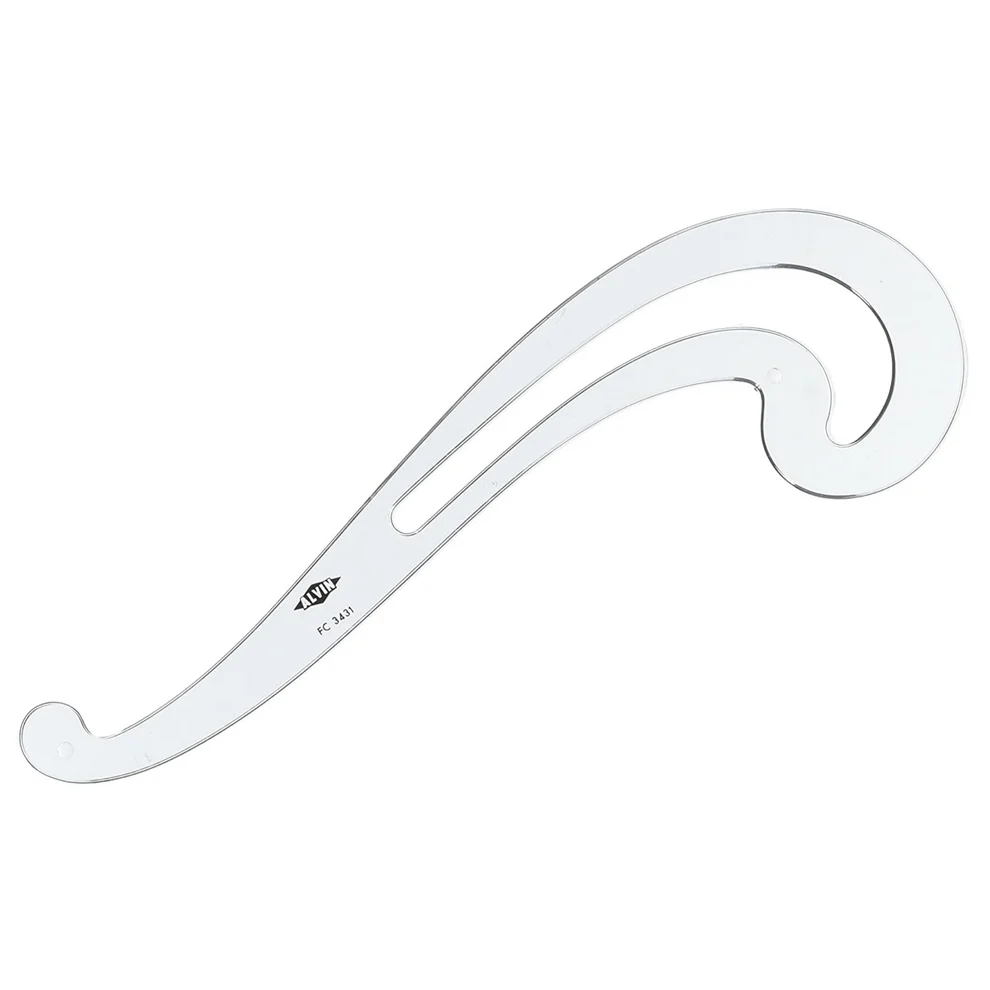
As to why people would want to use French curves, it is not simply for the purpose of drawing curves but for the nostalgia that it brings, the history that comes with it and the art that has gone into creating it.