This Corner Detail Once Meant Everything

November 29, 2025
Source: Reddit
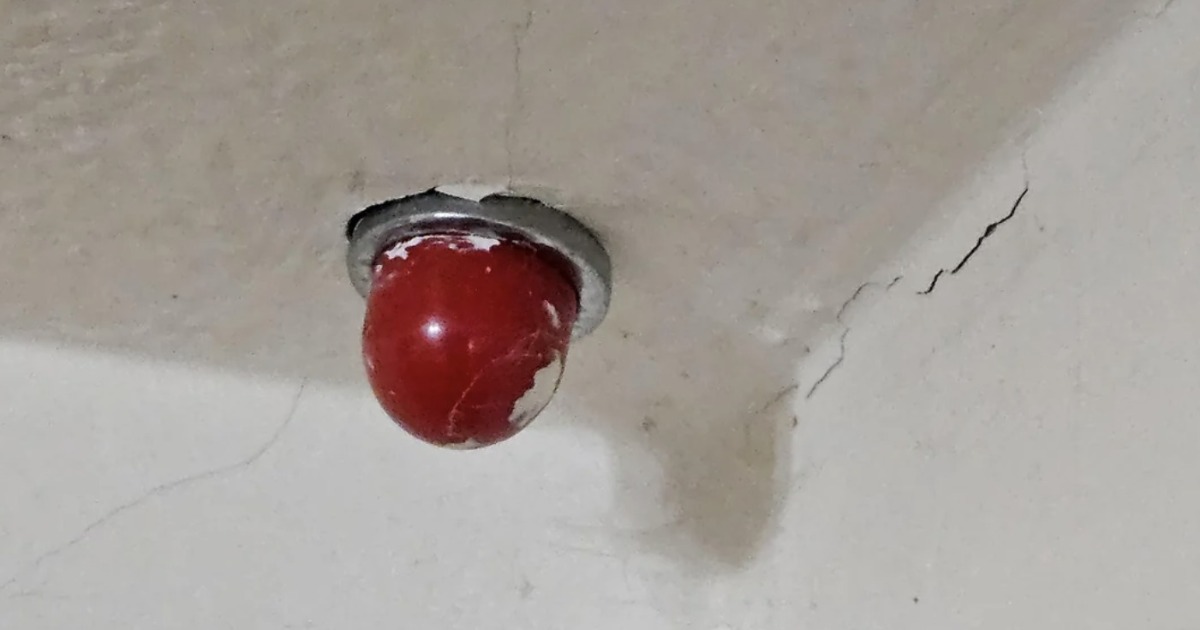
You may see a small red dome hanging in the corner of your ceiling. This is probably a “beehive phone light,” not a fire alarm, nor a camera; but rather a piece of old technology. A long time ago, phones were mainly connected via wires (landlines). Those who were deaf and/or hearing impaired needed a way to let them know when someone called them.
The primary job of this small dome was to visually show callers that the phone rang. This allowed them to answer their phones. These lights are called beehive lights because the dome shape resembles a beehive.
What Does a Bee Hive Light Look Like?
The dome is usually red or orange and has ridges to help reflect the flashing light. A beehive light connects directly to a house’s phone line. It is activated whenever there is a ring on the phone.
Bee hive lights were mostly made for use by the deaf and/or hard-of-hearing. They were usually used with TTY/TDD devices. TTY stands for Teletype, and TDD stands for Telecommunication Device for the Deaf. Both allow you to type messages back and forth while using a phone.
Where Were They Put?
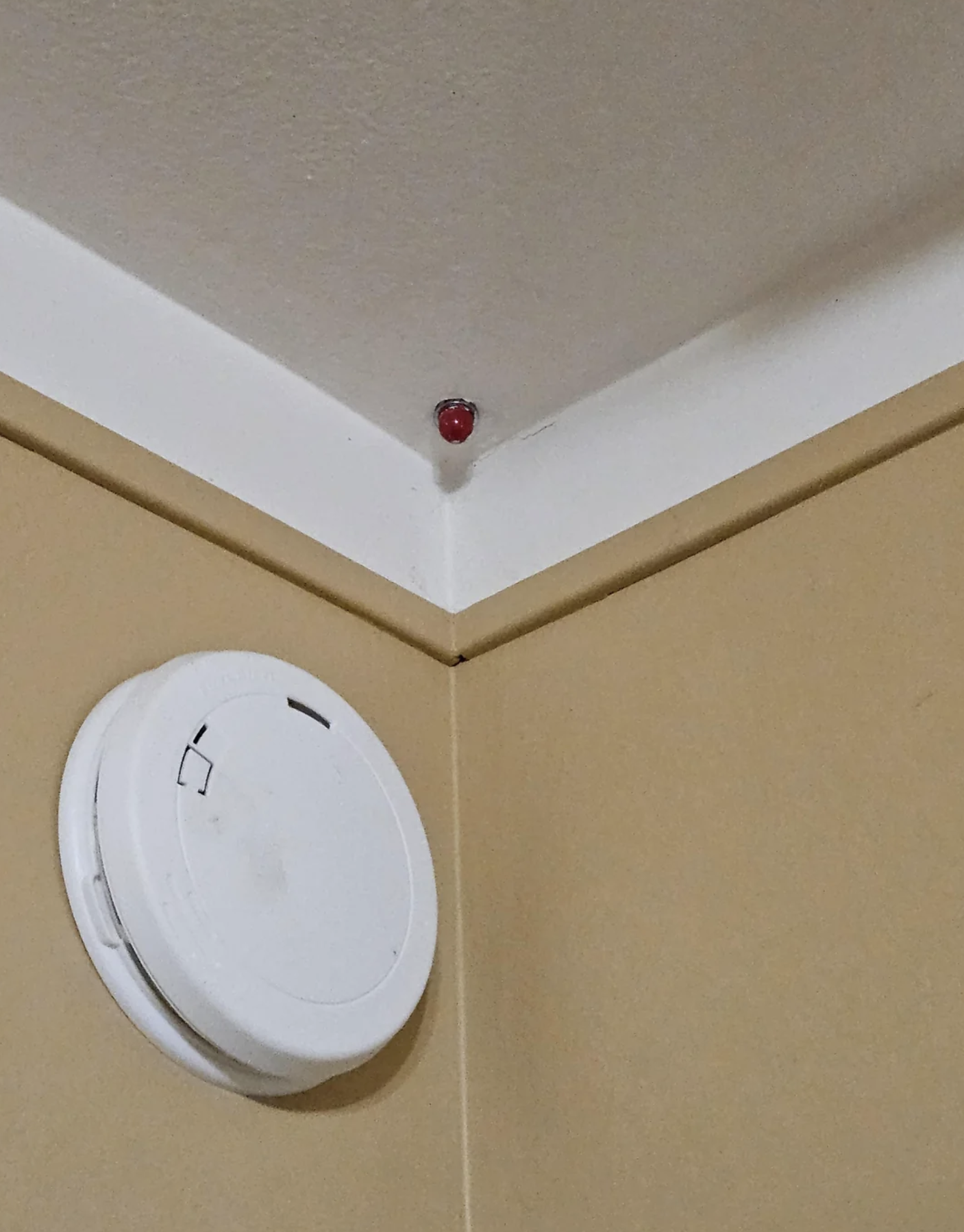
Be hives were placed on walls and/or in the ceiling, usually in the corner of a room. This helped make sure the light would be visible from many different areas of a room.
Because beehive lights are connected to the phone line, they flash at the same time the phone rings. Many homes have multiple beehive lights installed. This allows people to easily hear or see a call coming from another part of the house.
How Did Bee Hives Help People?
Prior to being able to find out if you got a call through visual means, beehive lights gave deaf or hard of hearing individuals a way to communicate independently. They provided a useful way for them to get alerted that someone was trying to reach them.
They were simple, but they had a big effect. Bee hives made it easier for deaf/hard of hearing individuals to pick up calls and stay connected.
Why Are You Still Seeing Them Around?
You will still see some beehive lights around. They are likely found in older homes and buildings. This is because they were installed at the time the building was constructed. Since most people do not have landline phones anymore, many of these lights sit idle. Some people who are interested in collecting items from the past (vintage) look for beehive lights to add to their collection. Others use them as decorations.