Think Your Office Is Modern? This ’80s Device Will Make You Miss the Old Days!

September 6, 2024
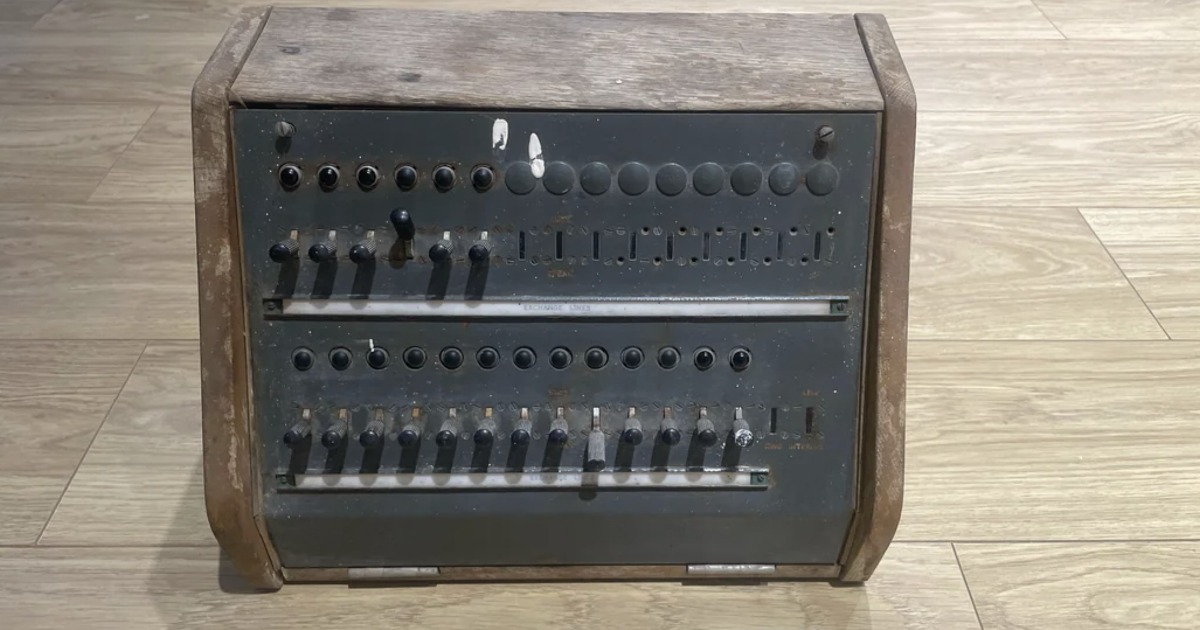
Source: Reddit
Were you ever in an office when a telephone was ringing in the 1980s? Not the melody of the most popular contemporary gadget – the mobile phone, but the sharp, high-pitched ring of a rotary or touch tone phone, which can be heard in the office rooms of a successful company. It was a sound that represented the center of communication at a certain period where the modern day email and video conferencing were not yet the normality they are today. And at the heart of it was the switchboard operator standing like a maestro, plugging the right people at the right time.
You can’t imagine an office setting in the 80’s without something like this small PBX, or Private Branch Exchange switchboard. Staring at the numerous rows of switches, the neon lights and the tangled and yet ordered electrical wiring, it was the embodiment of the corporate spirit. The operator who often sat in a specific location was in charge of responding to the telephone calls that came in from the outside and transferring them to the specific extension or desk/department.
Such PBX systems as this one helped offices to have more phones than there were lines to the outside world. It was a cheap means of addressing the increasing communication need in the larger organizations. It was when the technology started to progress and companies started to connect to the Public Switched Telephone Network (PSTN) that the systems were in need of the PBX in order to avoid complications with multiple lines and numerous users.
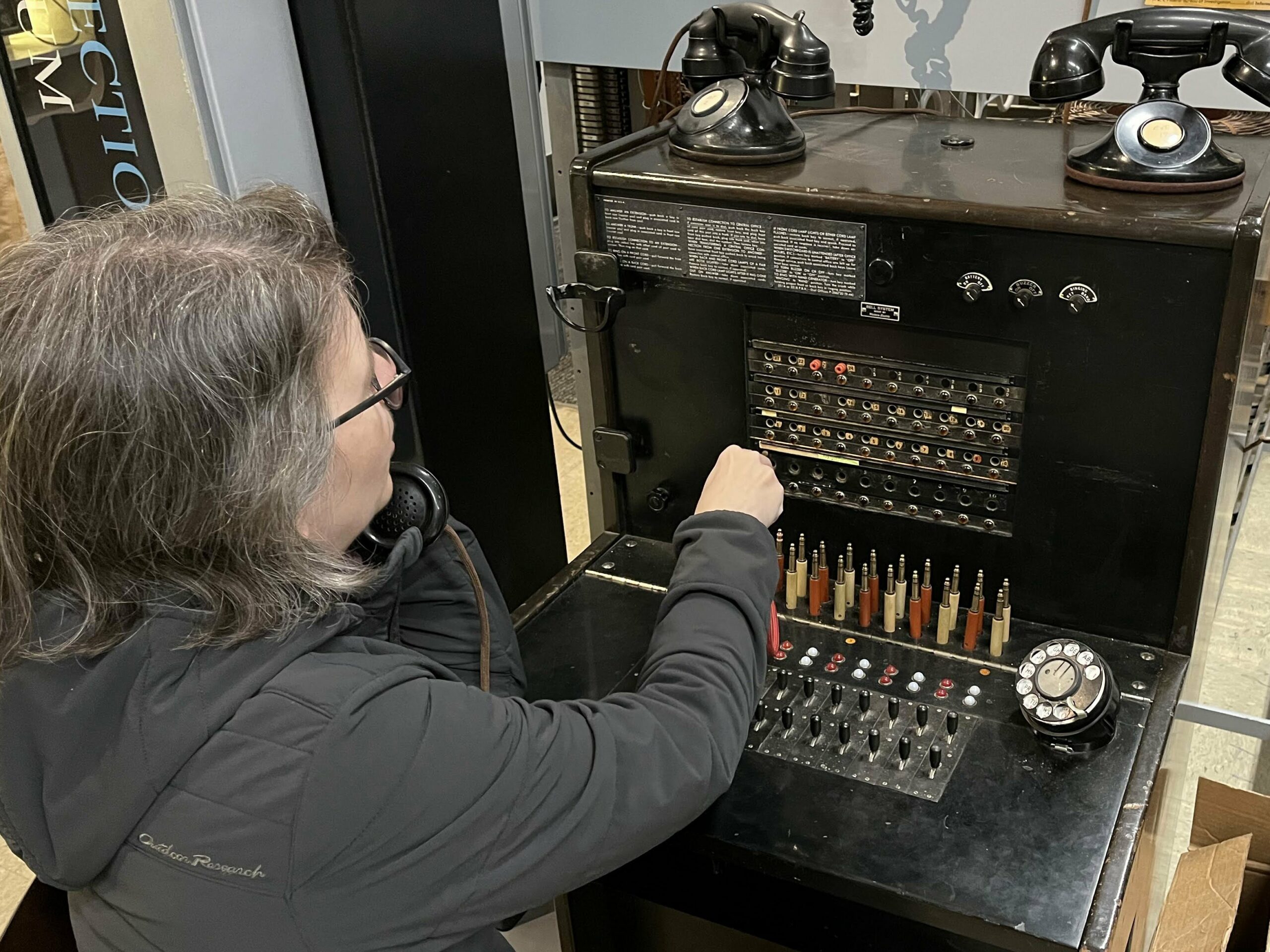
But it wasn’t only the technology that was shifted in this case, it was the culture as well. Offices were mini worlds then with each phone call carrying the day’s business. When you dialed in you would probably get the operator, and he or she may have asked, “Who is calling?” That is quite different from the automated systems that are used nowadays. You did not dial numbers to select from the menus; there was an operator who understood the working environment and quite frequently the callers. It also provided the element of touch, which most people lack when using technology in the current society.
On the switchboard there were many red lights which indicated an incoming call and the operator would connect you physically by moving switches. It was a tangible thing and it felt very intentional, something which we no longer experience in the age of likes and retweets. This is because there was a pattern of the office day that was anchored on the interactions. All the information regarding the breakthroughs in the deals, news, and even the casual conversations went through the operator’s hands.
It also worth mentioning that women started working more often during the same period of time as these systems were being developed. Some of the jobs that women took were switchboard operators and many women considered these jobs as good ones since they were very essential in any organization. This time it reminds me how technological advancement opened new employment and changed the working environment as more women began to occupy positions that were once reserved for men.
PBX system was manual where it had rotary dials and switches, the current system is much advanced and automated. But it had something that today’s technology does not have – it was personal. He or she could think and reason and solve problems while on the job, move calls around and even control the morale of other employees through his or her actions. It was the time when technology was not replacing the human contact but on the contrary it was improving it.
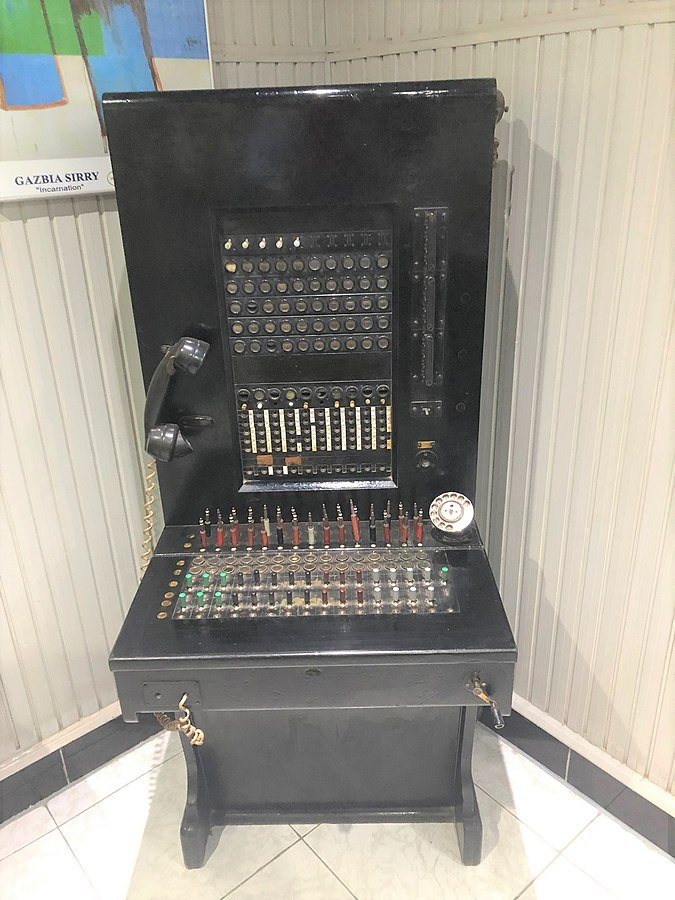

Nowadays, it is almost impossible to come across such a switchboard which resembles something from another era. It’s a reminder of how the communication has changed, and, consequently, the office environment as well. But then there is something comforting in the old fashioned approach, a certain feeling of direct communication, quite literally as well as metaphorically, which was arranged by flipping the switch to connect two people for a conversation.
So the next time your phone vibrates or an email notification goes off, you will have a brief thought on the switch board, telephone ringing and the operator who was the link between people. The PBX may now be a thing of the past, but it does have to be admitted that it was instrumental in the evolution of the communication systems which are currently in use. It is a message to the fact that, at times, the relationship is developed by people and not by the systems.