Once You See This, You’ll Wish You Had One!

February 7, 2025
Source: eBay
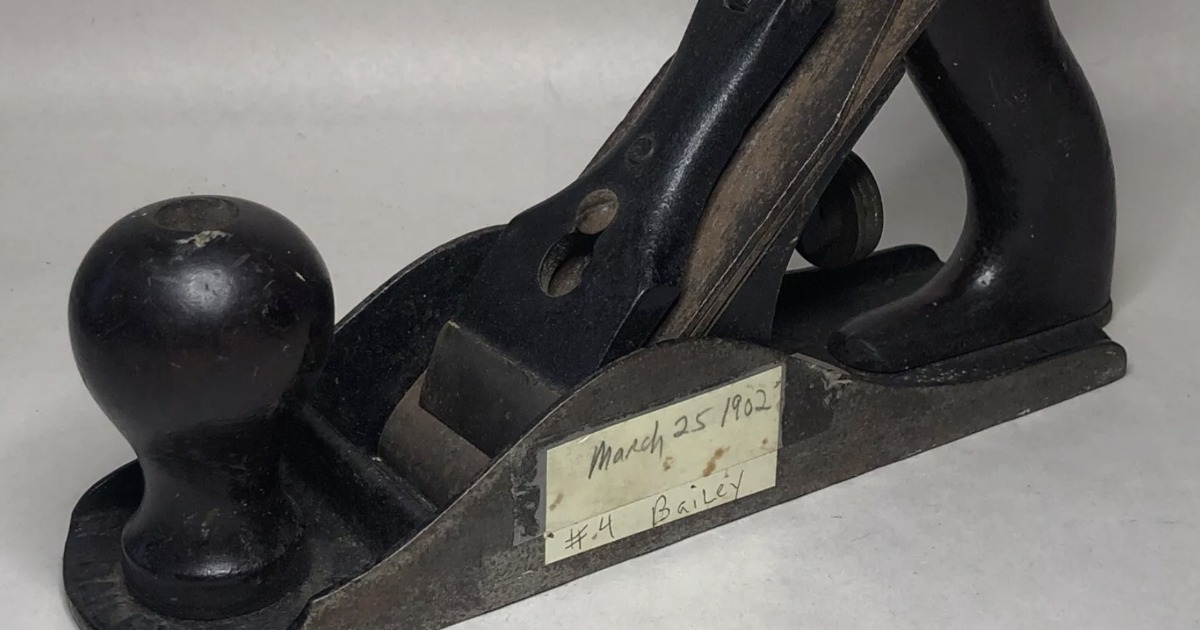
Long before power tools took over, woodworkers relied on a simple but reliable tool—the vintage hand plane. Whether shaping a table leg or smoothing a rough board, this classic tool has been a workshop essential for centuries. There’s something special about the rhythmic sound of a hand plane gliding across wood, curling thin shavings away as the surface transforms beneath your hands.
A Brief History of the Hand Plane
The hand plane has been around for ages—literally! Some of the earliest examples date back to ancient Rome, where craftsmen used wooden-bodied planes with embedded blades. Over time, designs evolved, and by the 19th century, metal-bodied planes became the standard. Brands like Stanley and Record set the gold standard, crafting tools that many woodworkers still swear by today.
What Makes It Special?
Unlike modern power tools, a vintage hand plane offers a level of precision and control that machines just can’t replicate. Its solid construction, often made from cast iron and hardwood, gives it a durability that can last for generations. Many old planes were handcrafted with meticulous attention to detail, making them not just functional but also beautiful pieces of history.

Essential Parts of a Vintage Hand Plane
A typical hand plane consists of several key components:
- The Sole – The flat metal base that glides across the wood.
- The Iron (Blade) – A sharp metal piece that slices off wood shavings.
- The Frog – A mechanism that holds and adjusts the blade angle.
- The Knob and Tote – Wooden handles for grip and control.
- The Cap Iron (Chip Breaker) – Helps control wood shaving curls and prevents tear-out.
Each part works in harmony to create a smooth, polished finish with every pass.
Restoring and Maintaining a Vintage Hand Plane
If you’re lucky enough to find an old hand plane at an estate sale or antique shop, don’t let a little rust deter you. With some patience and effort, you can bring it back to life:
- Disassemble and Clean – Remove rust using vinegar or a rust remover.
- Sharpen the Blade – A well-honed iron ensures clean, effortless cuts.
- Polish and Lubricate – Apply oil to moving parts to keep the plane in top shape.
- Reassemble and Adjust – Fine-tune the blade depth and alignment for the best results.
The Nostalgia of Using a Vintage Tool
There’s something deeply satisfying about working with a hand plane. The tactile feel, the scent of freshly shaved wood, and the rhythmic motion transport you to a time when craftsmanship was king. Whether you’re a seasoned woodworker or a beginner, using a vintage hand plane connects you to generations of artisans who shaped wood with skill and care.
In an age of mass production, a vintage hand plane reminds us of the joy of working with our hands. So next time you see one at a flea market or tucked away in a dusty toolbox, consider giving it a new life—it might just become your favorite tool in the workshop!