Guess What They Found in the Melting Glaciers? History Buffs, Brace Yourselves!

May 1, 2024
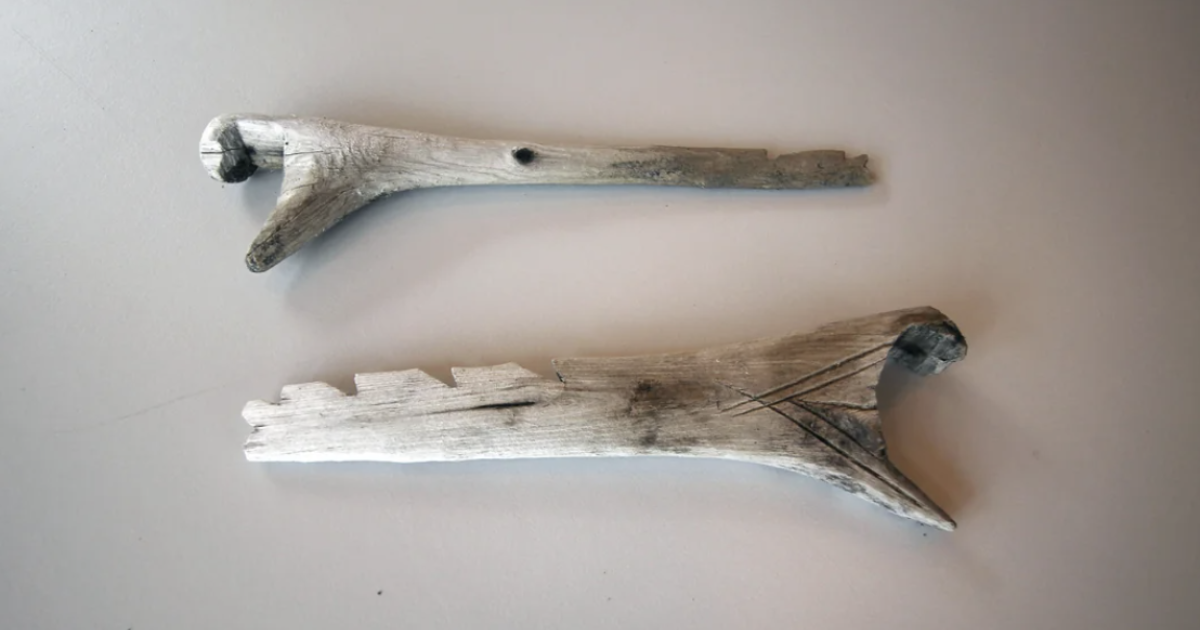
Source: Reddit
Picture a chilly autumn evening in the early 1960s, where families gathered around a crackling fire in the hearth, the air filled with the smoky scent of burning wood and the rich aromas of stewing meat and vegetables. This cozy scene, reminiscent of many of our childhoods, isn’t far removed from what ancient travelers might have experienced in the wild landscapes of Norway, though with tools far more primitive yet ingeniously crafted for their times.
Recently, as the world grapples with the undeniable impacts of climate change, Norway’s melting glaciers have revealed a surprising array of artifacts, among them, wooden tools initially thought to be simple wrenches. These items, however, have been identified as ancient fireplace pot hooks, ancestors of our modern camping gear, used not in homes but during the long journeys across the Nordic landscapes.
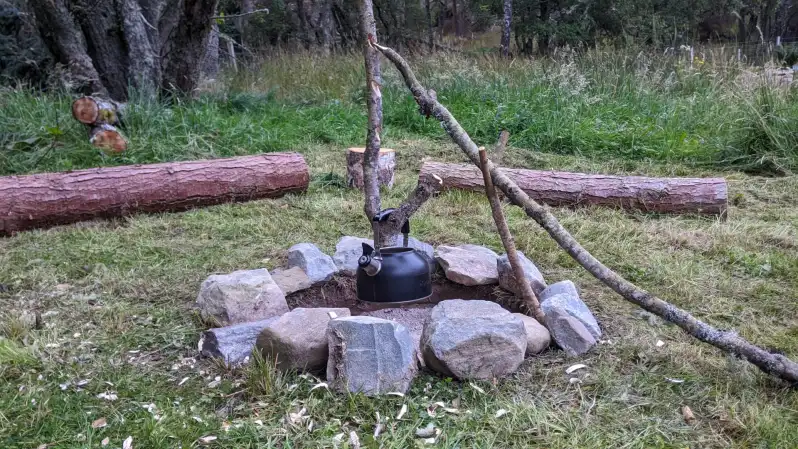
These ancient pot hooks serve as a vivid testament to the ingenuity of past civilizations. Carved meticulously from wood, these tools were essential for survival, enabling the preparation of meals in a time before portable stoves and insulated coolers. Imagine the nomadic tribes or hearty explorers setting up camp in the unforgiving cold of Scandinavia. They would strategically place these hooks over a fire to heat whatever foraged edibles they had at hand, turning a simple meal into a warm respite from the relentless northern chill.
The use of such hooks highlights a universal theme throughout human history: the need to nourish, to warm, and to gather. These tools were not merely functional; they symbolized a moment of rest, a communal bond, and a brief respite from the hardships of travel.

Fast forward to today, and the spirit of these ancient travelers lives on in modern hiking and camping enthusiasts. We trek into the wilderness with lightweight gear, but our goals mirror those of our predecessors: to find sustenance and comfort in nature. Our high-tech equipment serves the same purpose as those rudimentary wooden hooks—facilitating the basic human need to cook and eat.
The rediscovery of these pot hooks is a poignant reminder of how intertwined human lives are with the environment. As glaciers melt and reveal such artifacts, they also tell a story of a changing world, one where preserving these historical treasures becomes as important as understanding the lessons they teach us about sustainability and respect for nature.
These ancient tools not only connect us with the past but also implore us to think about the future. They challenge us to consider how we interact with our environment and what legacy we leave behind for future generations. As we employ modern technologies in our outdoor pursuits, we must ask ourselves how sustainable our practices are and how we can minimize our footprint on the very landscapes we cherish.
I invite you all to dive into your storied pasts—perhaps you have an old camping tool handed down through generations or a memorable experience of cooking over a fire during a family camping trip. How do these experiences connect you to the broader tapestry of human history?
Share your stories and photos with us, and join the conversation about how we can honor our historical heritage through sustainable practices today. Let’s keep the fires of the past burning brightly, lighting the way for a future that respects and preserves our shared human history.
This exploration of ancient pot hooks from Norwegian glaciers isn’t just a journey into the past; it’s a call to value our cultural heritage and to ensure that the great outdoors remains a welcoming space for countless generations to come.