From Precision to Prestige: The Fascinating Story Behind This Coveted Heirloom

May 8, 2024
Source: Etsy
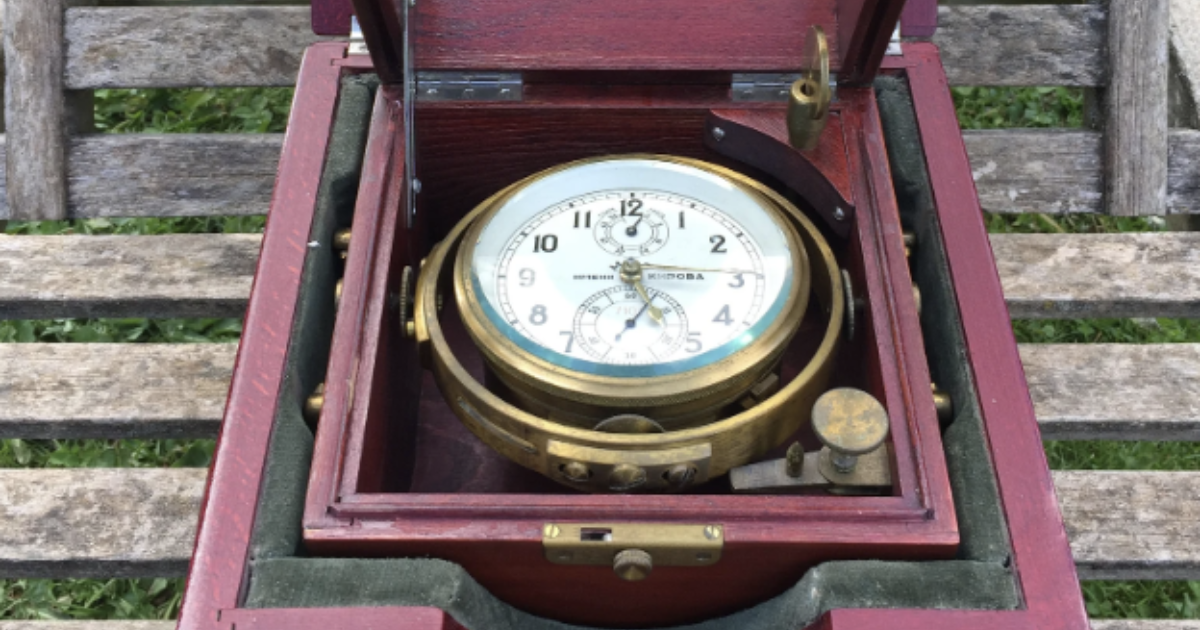
Marine chronometers emerged during the golden age of exploration when ships traversed the globe in search of new trade routes and territories. Developed in the 18th century, these clocks played a vital role in solving the “longitude problem,” which had puzzled sailors for centuries. The challenge was to accurately determine a ship’s east-west position on the globe. Calculating longitude required knowing the exact time at a known location (like Greenwich, England) while at sea, which made accurate clocks essential.
Unlike other clocks, marine chronometers were gyroscopically suspended in wooden boxes to minimize the effects of the ship’s motion. They were crafted with meticulous precision to ensure stability and accuracy despite temperature changes, humidity, and the ship’s unpredictable sway. A well-made marine chronometer could lose or gain only a second or two a week, making it indispensable to explorers and traders alike.
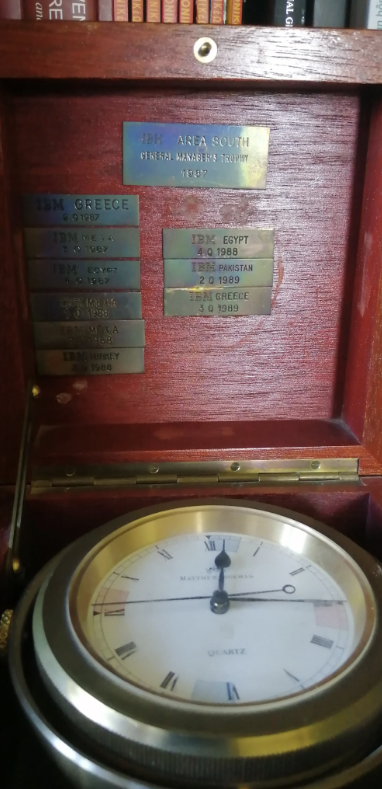
Fast forward to the 20th century, and the once-vital chronometer had been replaced by new technologies like quartz clocks and satellite navigation. However, these nautical instruments remained prized for their legacy of precision and reliability. Companies like IBM repurposed these devices as symbols of corporate excellence, often presenting them as trophies to employees and regional teams who achieved significant milestones. The sturdy, polished wooden boxes containing gyro-stabilized clocks were inscribed with plaques commemorating the achievement and displayed prominently in offices and homes.
These chronometers carried the same message in boardrooms as they did on the high seas: excellence in precision, reliability, and resilience against uncertainty. They stood as reminders that, just like in navigation, success in business requires careful planning, perseverance, and accurate timekeeping.
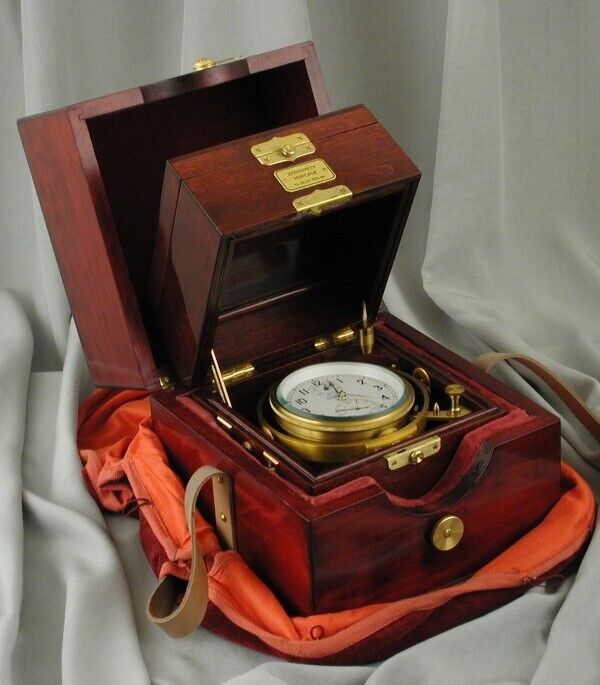
Today, marine chronometers are collectors’ items and coveted relics of a bygone era. They represent the blend of tradition and innovation, where centuries-old craftsmanship met technological advancements that charted new paths for human exploration. These timepieces invite us to reflect on a world where timekeeping was both an art and a science, and where achieving mastery over time was a global endeavor.
Their wooden boxes and brass fixtures convey not only the ticking of seconds but also the heartbeat of adventure and the pursuit of precision. They remind us of the adventurous explorers who ventured into uncharted waters and the determined executives who steered their teams through the tumultuous tides of business.
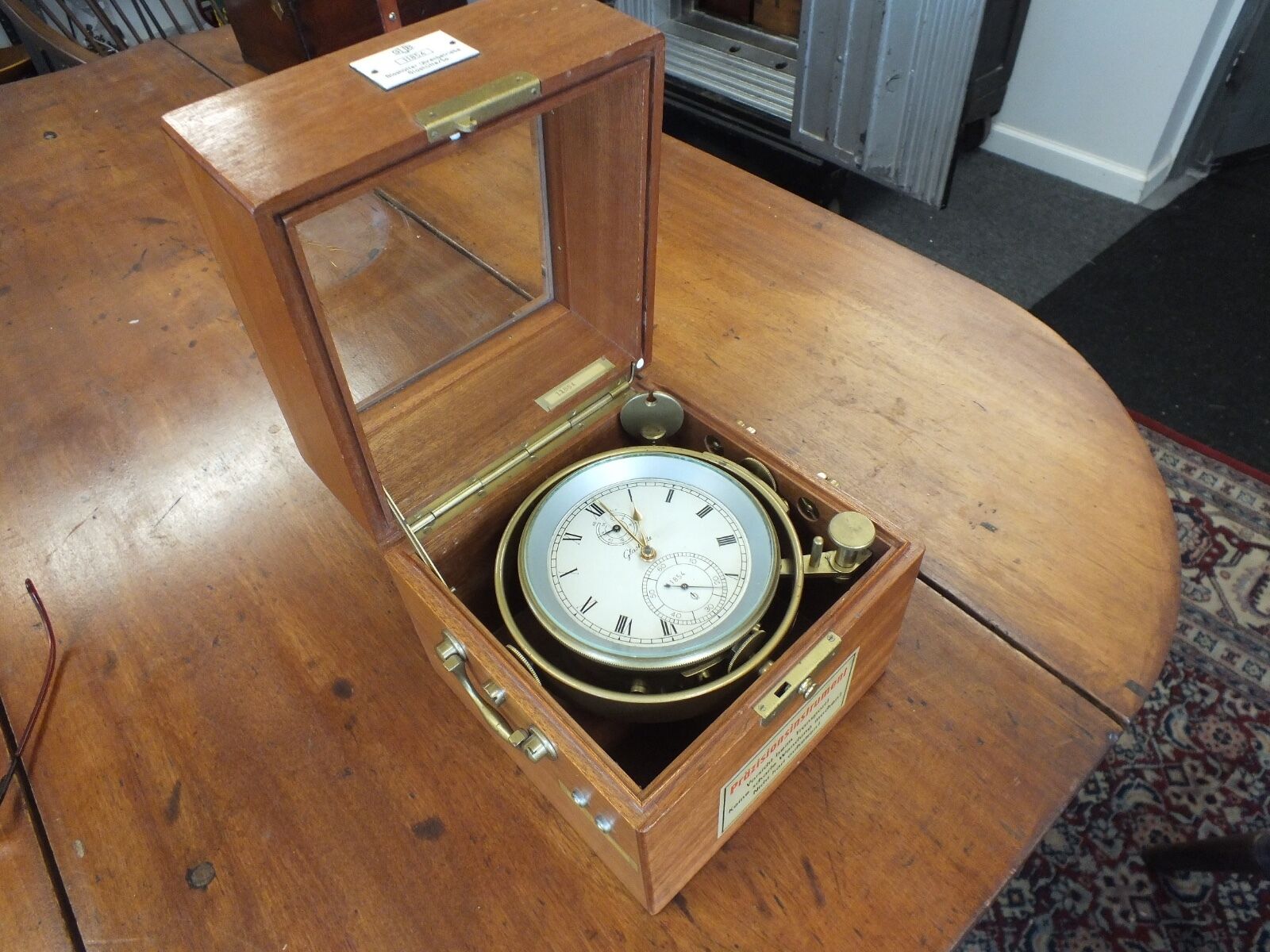
Do you have a family heirloom clock that brings back fond memories? Perhaps a timepiece that witnessed family reunions or celebrated milestones? Share your stories and let us collectively celebrate the chronometers, clocks, and watches that have marked the passing of our days and remind us of the values and lessons they embody.
In this fast-paced digital age, such timekeepers serve as anchors that tie us to the past while offering timeless lessons in patience, precision, and purpose. Let’s preserve these stories and keep ticking onward together.