Discover the Forgotten Art That Makes This Piece a Must-Have

September 1, 2024
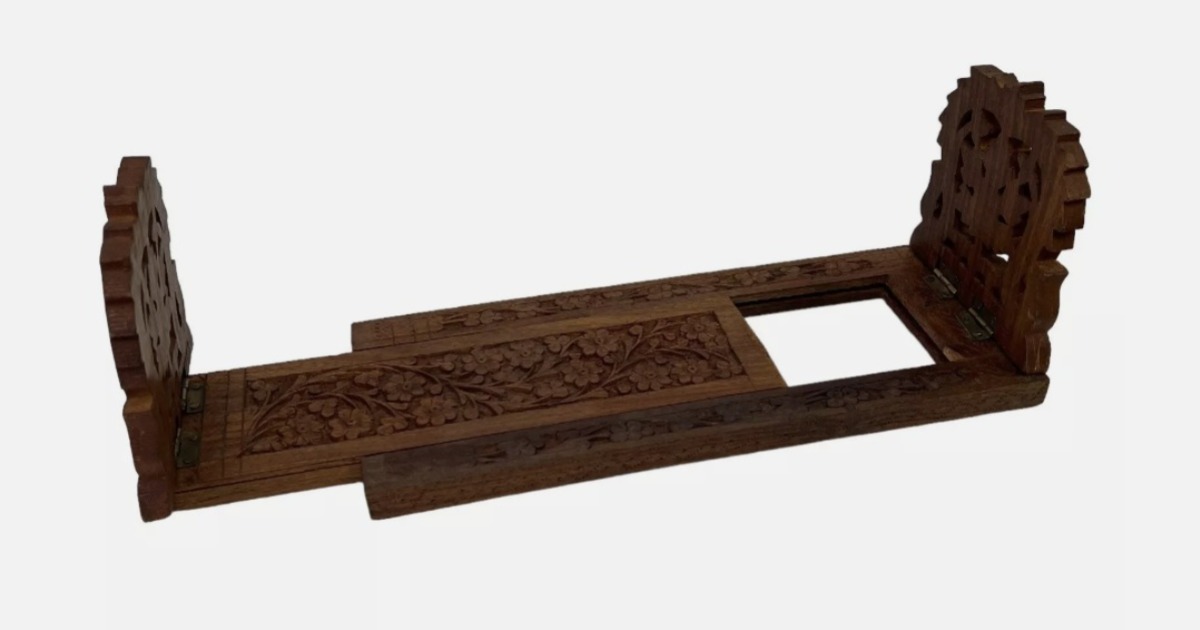
Source: eBay
Have you ever been able to recall a time when life seemed so easy, when one could simply hide in the corner with a book and not a care in the world? For most of us, those moments were surrounded by the comfort of old furniture, the pieces that have a story to tell. In the list of most valued possessions, a wooden book rack of yesteryears holds a special place; it wasn’t just a piece of furniture for books; it was a repository of memoirs.
When one would enter a room that had one of these book racks which were carved, one could easily imagine the history being told. Or was it in your grandmother’s kitchen with the rack holding her favorite cook books all of which had the imprint of numerous meals that was lovingly prepared. or perhaps it was in your childhood home, standing on the shelf where it kept the stories of Narnia or the enigma of Sherlock Holmes.
These book racks were not only used for practical purposes as they were intricately designed with elephant and floral carvings, they were also representations of a society that valued art in every object that they used. They were there for decades, patiently watching over the tales that built our world and in the process, they became the part of these tales.
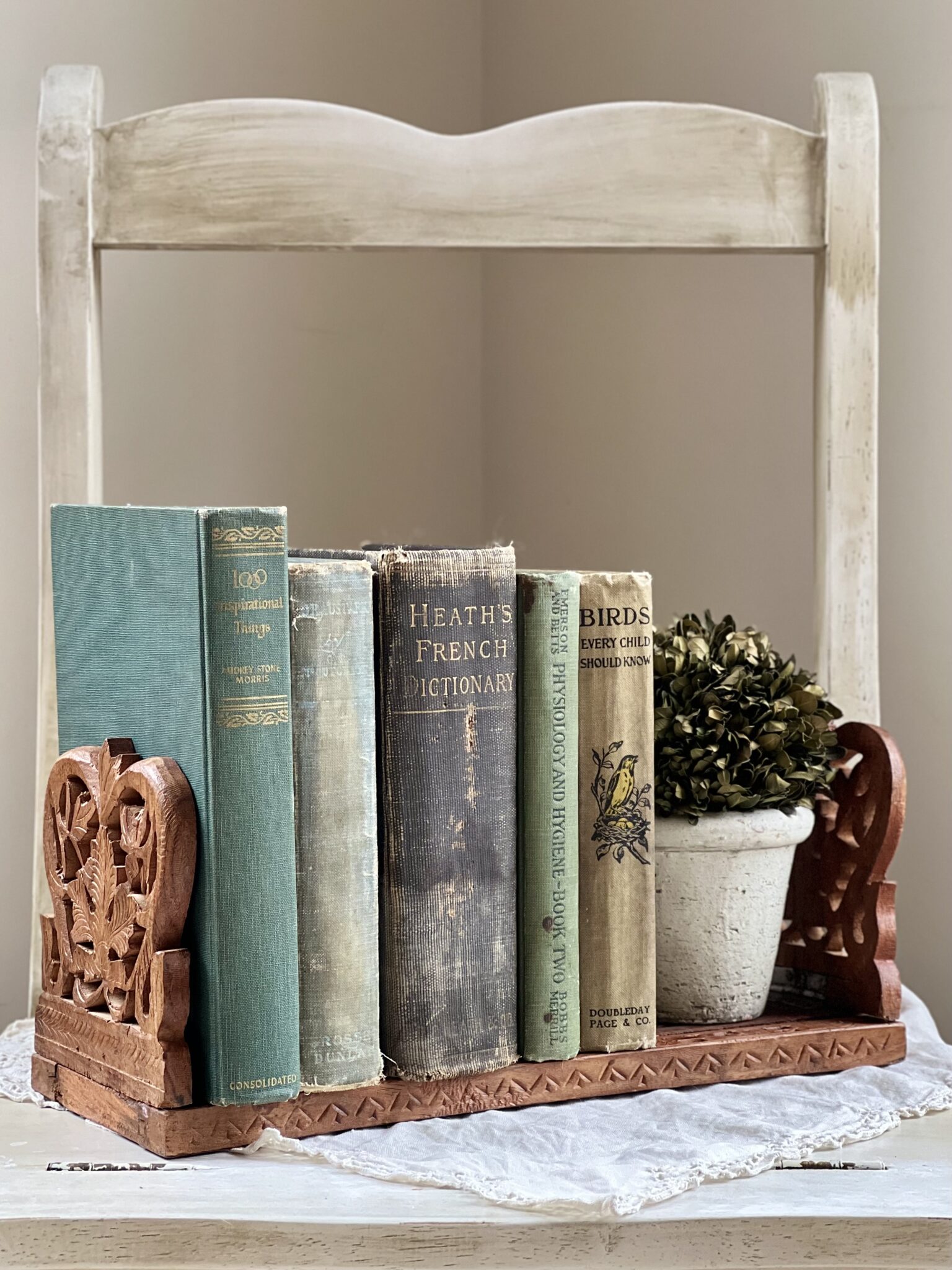
These racks were handcrafted and this is because woodcraft is a tradition that has been in existence from regions such as India. The chosen motifs included elephants, flowers, geometrical shapes etc., and the latter was usually associated with the culture of the region. Every one of them was different from the others, and had signs of being made by hand: tool marks, and the different shapes only a human could give it. In a society where people are surrounded by standardized products, these shelves represented the uniqueness and the aesthetics of the flaws.
The feature that made these racks as appealing as they were was their expandability. It could have been designed in a manner that they could be changed to suit an increasing number of books, thus being as useful as they were beautiful. Whether the shelves were fully expanded or fully folded, they still kept their appeal and were a practical design for people who loved books and appreciated the look of their furniture.
During the mid of the twentieth century with the increase in international travel, these wooden book stands began to be used in homes across the globe. They were usually taken as a part of a journey as a way of having something to remember where one had been. For many owners of such pieces it was a possibility to be associated with another culture, to introduce something of the other world into their everyday lives.
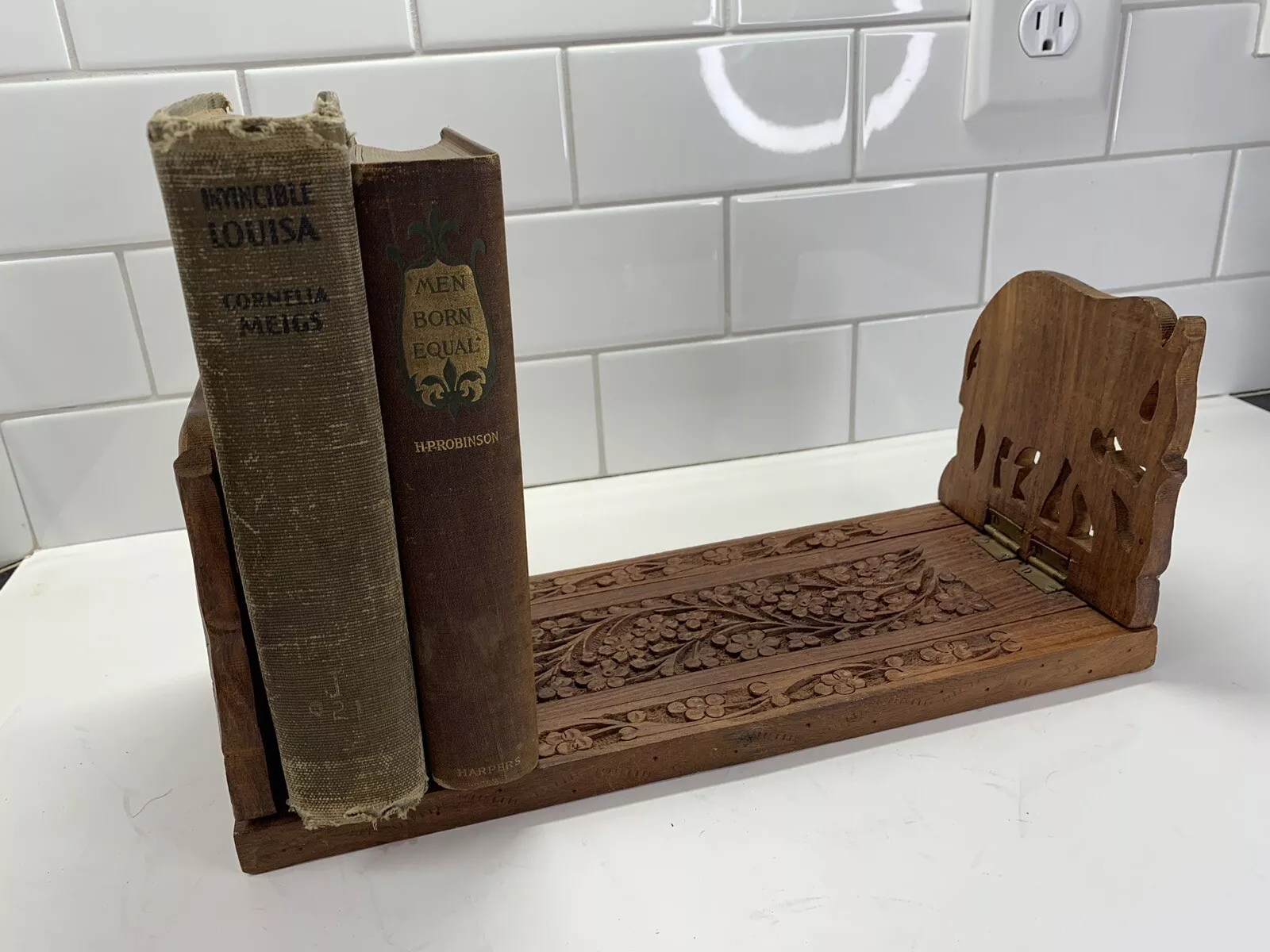
But these racks were more than just souvenirs since they also held the drinks. They were symbols of a time when reading was considered as a form of entertainment and books as valuables items. In the age when books were not available in digital format, a book rack was not only a place to store the books but also a way to express the love for reading and a way to show off the collected wisdom. These racks were positioned in the living rooms, studies and even the kitchens and they became the centre of attraction with people focusing their attention on the books on the racks and the books within them.
Now, when people are cleaning out closets, going through estate sales and browsing through consignment shops, these designs are just as alluring. In a society that is increasingly dominated by high tech devices, the sensation of reading a book, and flipping the pages of the book is certainly comforting. So, what could be more appropriate than to put those books onto a rack which also has its own story to tell?
These book racks encourage one to take a pause, to look at the material world and to look at the history. Whether it is their conventional application or when utilized for ornamental purposes, they add a retro and classy feel to present-day houses.
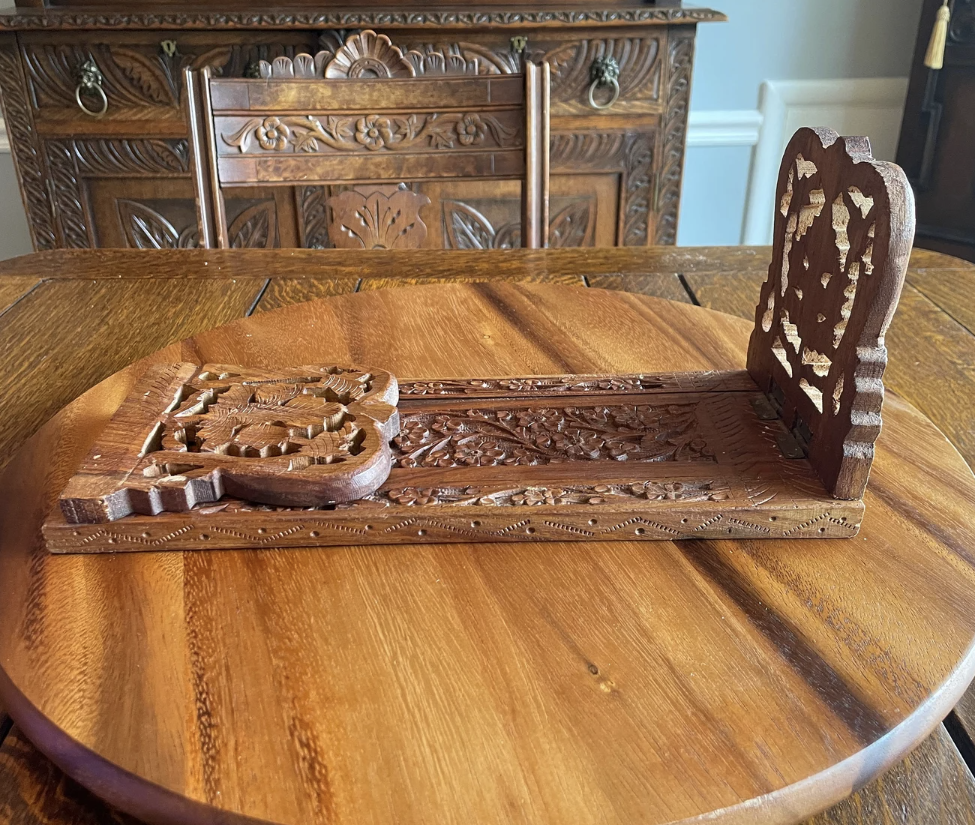
So, if you’re lucky to find one of these vintage wooden book shelves, do not just look at it as a piece of furniture. Consider it as a bridge between the present and the past, as a container of the people’s history and a symbol of the written and unwritten word. Cherish it, employ it, and let it remain a part of yours and everyone else’s story as it has been.