Bet You Can’t Figure Out What This Classy Brass Relic Was For!

April 9, 2024
source: Reddit
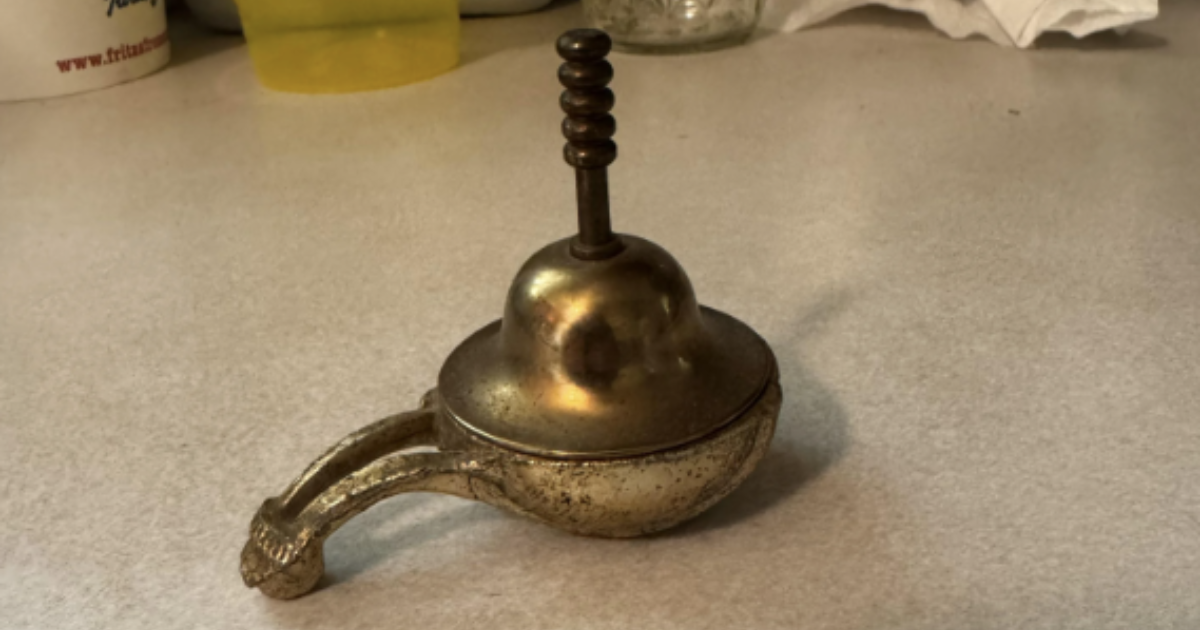
In the quaint, sunlit kitchens of the past, amidst the clinking of porcelain and the warmth of a simmering pot, there lay an unassuming yet elegant artifact—a small brass saccharine container, often accompanied by miniature tweezers. It’s an object that tells a story of a different time, a time when sweetening a beverage was a thoughtful process that involved charm and etiquette.
Saccharine was discovered accidentally in 1879 by Constantin Fahlberg, while he was working on coal tar derivatives in a laboratory. Despite its somewhat unappealing origin, saccharine became a marvel, especially during times of sugar shortages. It was approximately 300 times sweeter than sugar, and a tiny bit went a long way.
As saccharine tablets became commonplace, the need for an appropriate dispenser arose. The saccharine container, often crafted from brass, silver, or even glass, emerged as a solution. The elegance of these containers mirrored the social norms of the times—times when the dining table was a place of social gathering and a display of personal taste and class.
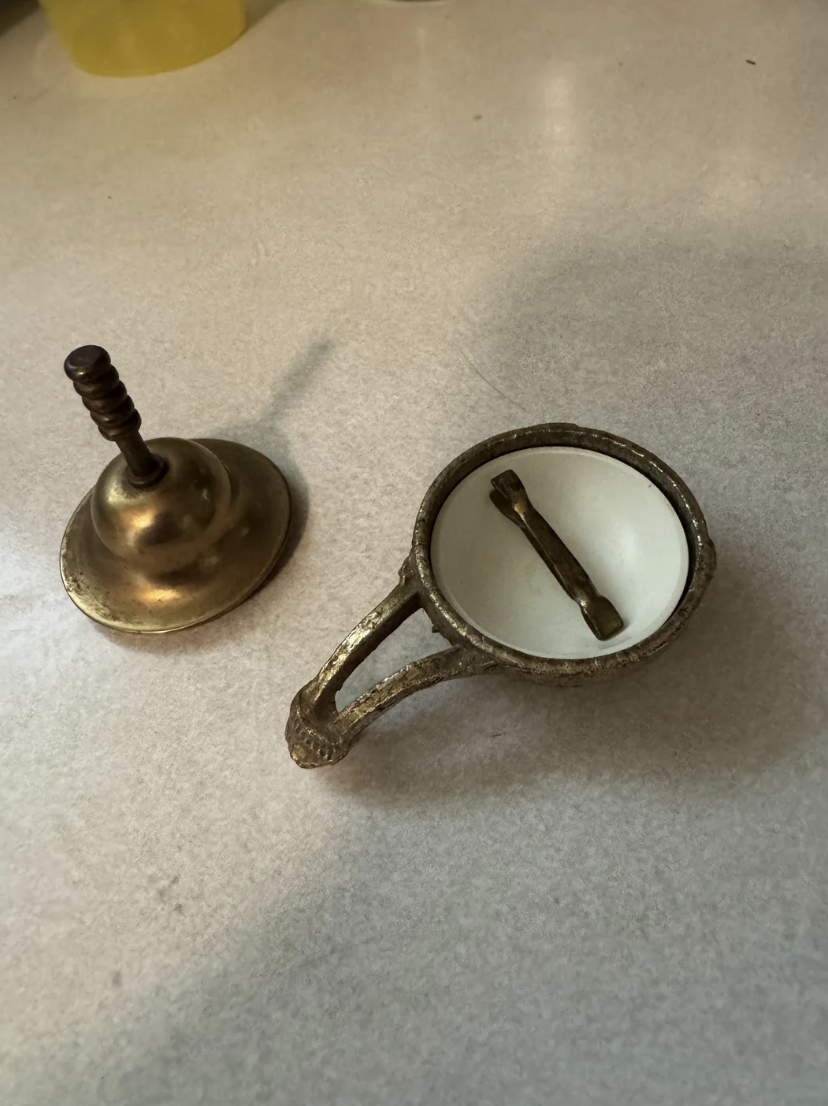
The containers themselves were often ornate, resembling miniature bell-shaped objects with a hinged lid or sometimes even a small bird or animal figure perched atop. The tiny tweezers were a work of art as well, crafted to match the container and fit perfectly within the palm for easy handling.
Saccharine containers represent more than just a historical penchant for sweeteners. They are a testament to the economic and social landscape of the times they were used in. During the world wars, when sugar was scarce and rationed, saccharine tablets offered a way to keep life’s little luxuries alive. The containers thus became symbols of resilience—a way to maintain normalcy and elegance even in times of hardship.
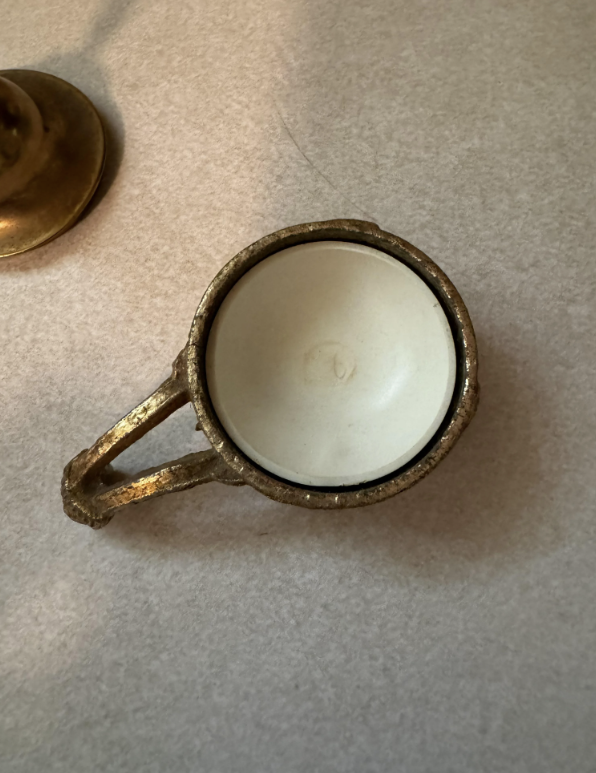
There was a particular grace involved in the act of sweetening a beverage back then. Imagine a quiet afternoon tea; with a gentle press of the tweezers, a single saccharine tablet would be carefully extracted from the container and delicately dropped into a cup of tea. It was a ritual that required patience and a soft touch, a far cry from the hurried tear of a paper packet we often encounter today.
As time marched on and the use of artificial sweeteners in disposable packets became the norm, these containers slowly faded from everyday life. However, they have found a new lease on life as collectibles. Antique enthusiasts and those with a penchant for vintage kitchenware seek out these containers for their beauty and the stories they carry.

The saccharine container now lives on as a cherished collectible, a reminder of an era where craftsmanship and detail were revered in even the smallest of household items. They remind us to appreciate the rituals of the past and encourage us to bring a bit of that deliberation and elegance back into our modern lives.
These containers are more than just antiques; they are a sweet reminder of a bygone era, encapsulating the history, the resilience, and the grace of the times they adorned. They are a call to remember and perhaps revive the art of living slowly, where every action, even the sweetening of tea, was performed with intention and care.