A Small Hole with a Big Mystery: Here’s What We Found!

August 27, 2024
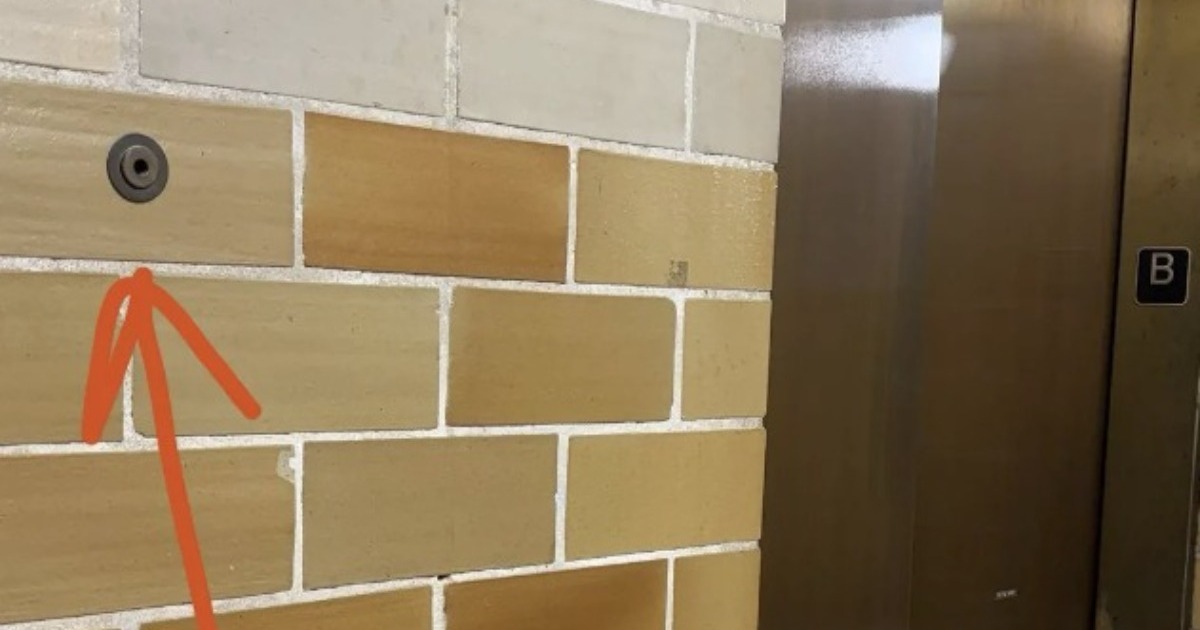
Source: Reddit
Have you ever go into a building that has not been constructed or renovated for years, the kinds that produce a noise when you step on the floor, and you just start to wonder what could the walls narrate? Sometimes, I get interested in the enigma that these areas present to me. I came across a tiny hole nearby the basement’s elevator in a 1930s building, which was once a clinic. At first glance one could hardly pay any attention to it and pass it off as a rather peculiar quirk of fate—what could one possibly use a small hole for?
My grandparents’ house was a turn of the twentieth century house that had an elevator that opened with a sense of stepping back in time. As a child I found it interesting that things from the past were just so much more mechanical than the often invisible technology of today. The older structures had their idiosyncrasies; they had their shortcomings and yet there was a certain personality which made them special. It was this hole beside the elevator which made me recall those childhood days and what might this hole be used for earlier on?
As it happened, such gaps were not something out of the ordinary in older constructions. During the early years when safety measures and maintenance were not yet strict, elevators were more interactive especially in buildings that maybe used for clinics, factories or even department stores. One idea is that this small brass lined hole was at one time part of the elevator reset or emergency override. When these buildings were built, people didn’t have modern elevators as they have it today. At times they would forget the position of the floors and in order to ‘re-set’ the system or to open the doors, there was a need to use a certain key or a stick. Think of a maintenance worker using a long key to insert into the wall and then twist it in order to reset the elevator.
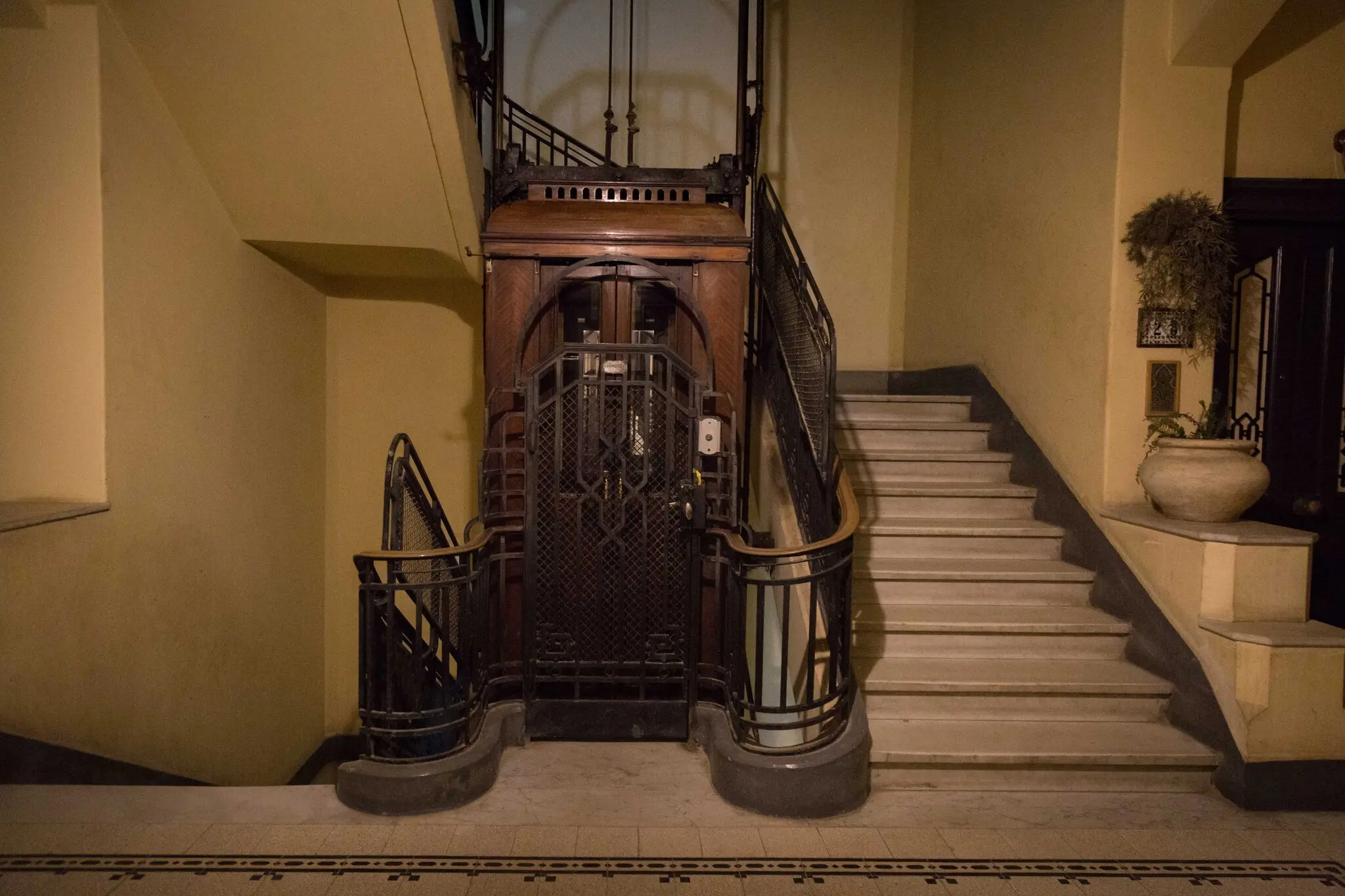
An elevator mechanic came up with an interesting comment that supported this theory because, as he pointed out, current doors do not need such additional structures, but older elevators had many holes in the walls for various purposes including repair and maintenance. Maybe this was a way for the elevator to re-align it self or this was an opening that would allow the passengers to exit in case of an emergency.
It may also be the case that this hole is all that is left of an outdated system, one that was used when the building was a clinic. Hospitals and clinics, and particularly in the 1930s required efficient and convenient means of transportation between the floors of the clinics for the medical personnel, patients and the equipment used in the clinics. If an elevator somehow became inoperative and needed to be restarted, there had to be a simple method of restoring it to operation – and that could be the reset.
The fun of it is not only in solving these little puzzles, but in learning more about the specific culture and time period they were created in. As each machine was constructed with a view of being utilitarian but also easily maintainable, the same applied to buildings, they were intended to last. Maintenance workers and engineers always had a tool for every occasion and sometimes that was a hole in the wall to get to the heart of the elevator system.

Modern man may look at this and marvel at how advanced technology is today, but it is rather sweet to think that a small brass lined hole is so important to the structural integrity of a building. It therefore makes one remember that even the most advanced devices of the past, required a bit of hands on effort.
So next time you are in an old building you should look at the walls, the floor and the ceiling. You don’t know what one small or seemingly insignificant thing could have been crucial in the functioning of day to day life. Perhaps, you will find yourself picturing the obedient hands that governed the smooth functioning of things when everything was still good.