Unveiling The Secret Power Of The Stainless Steel Marvel!

August 29, 2024
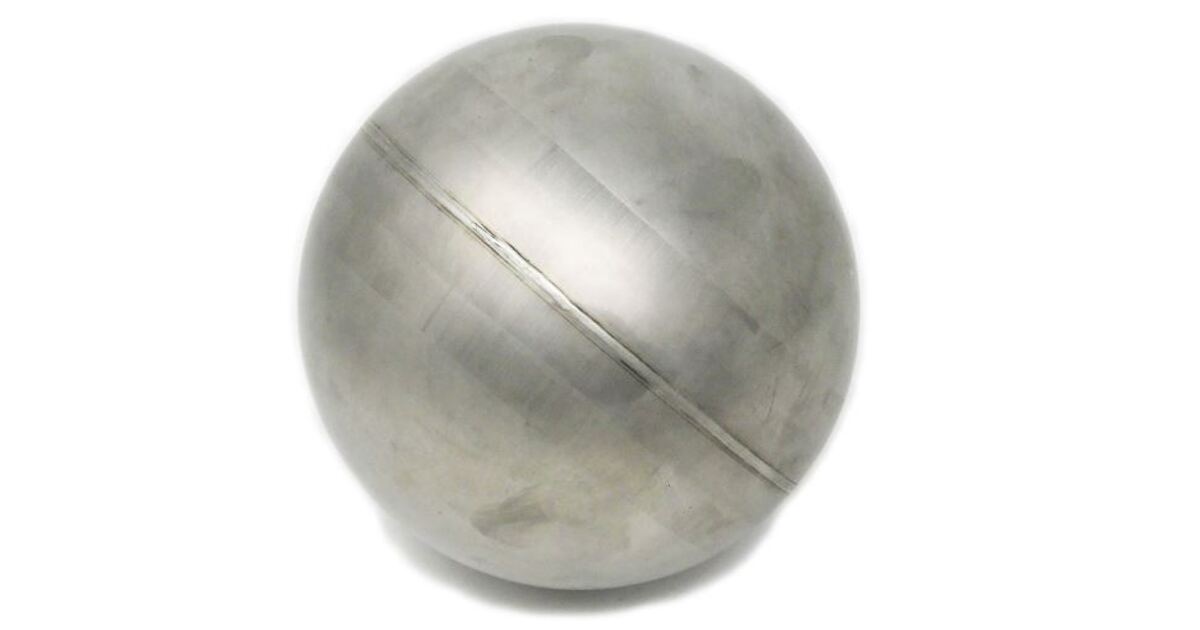
source: Amazon.com
When it comes to mechanical advancements, there are some things that may be as common and practical that they become almost invisible yet remains very vital. Some of the most unappreciated components of engineering are the old stainless steel float balls which have been used in a number of applications such as household water supply systems, manufacturing equipment, and naval equipment among others.
This is what a stainless steel float ball is; it is a buoyant ball that can be made of stainless steel and it is meant to float on liquids. The chief use of float balls is to control the level of the fluid that is being stored in the container, tank or a reservoir. They are part of a complex system often referred to as a float switch or float valve in which motion of the float ball in response to change in fluid level produces an action such as opening or closing of a valve to ensure that the fluid level remains constant.
Float ball mechanism has had its roots for several centuries with the first examples being seen in the steam engines and water tanks. The basic principle was simple yet effective: an example is a ball which floats on the surface of water and moves up and down with the water level change and this movement is used to operate a valve. During the period of industrial growth, the simplicity of the float ball made the part useful in more complex systems of the industrial machinery.
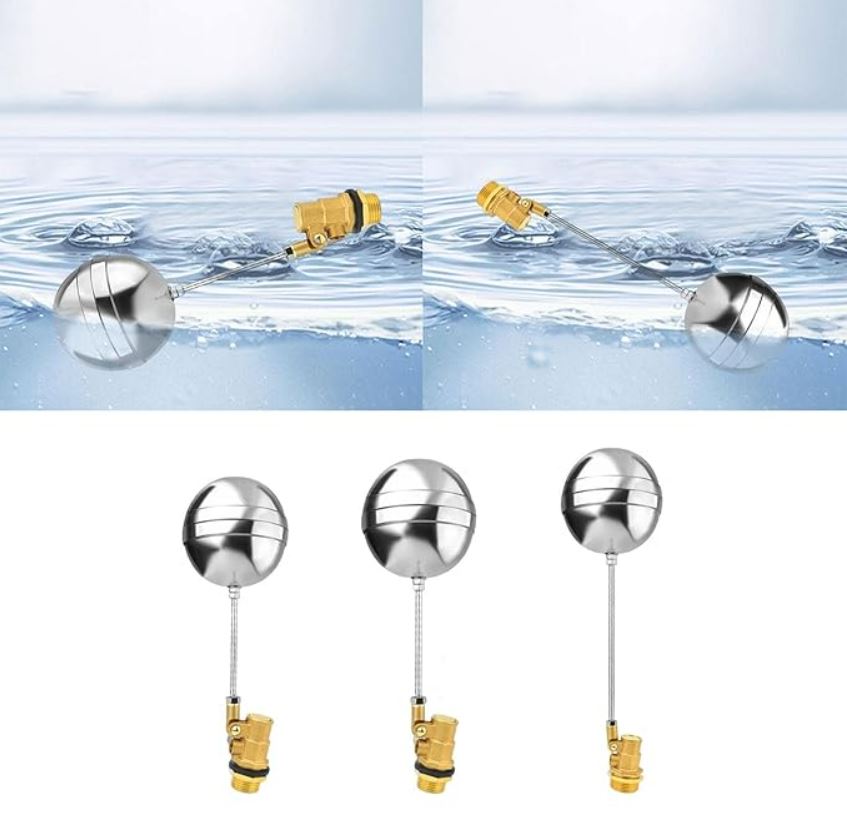
In homes, some of the most popular applications of float balls are the ones installed in the toilet cisterns. It controls the water level in the tank so that the right amount of water is held for flushing and the fill valve stops the water from rising any further.
There is some thought behind the use of stainless steel in the construction of these float balls as you will see shortly. Due to its toughness and capability to fight off corrosion, the float ball made of stainless steel will be able to work for a number of years especially if the system is in contact with water or is exposed to varying temperatures. This durability and the fact that they require little or no maintenance have made the stainless steel float balls very popular in most industries especially the food and beverage industry where hygiene is a key factor.
A similar use of the same technology can be observed in gooseneck vents used in ships and boats. These vents contain a wire mesh screen and an internal spherical aluminum ball that operate on a mechanism very much like that of the float ball. In case water gets into the deck and gets into the vent, the aluminum ball rises and blocks the tube thus protecting critical areas such as fuel tank or ballast compartment from water while at the same time allowing air to pass through. This safety feature demonstrates the applicability of float technology in the industrial as well as the maritime sectors.
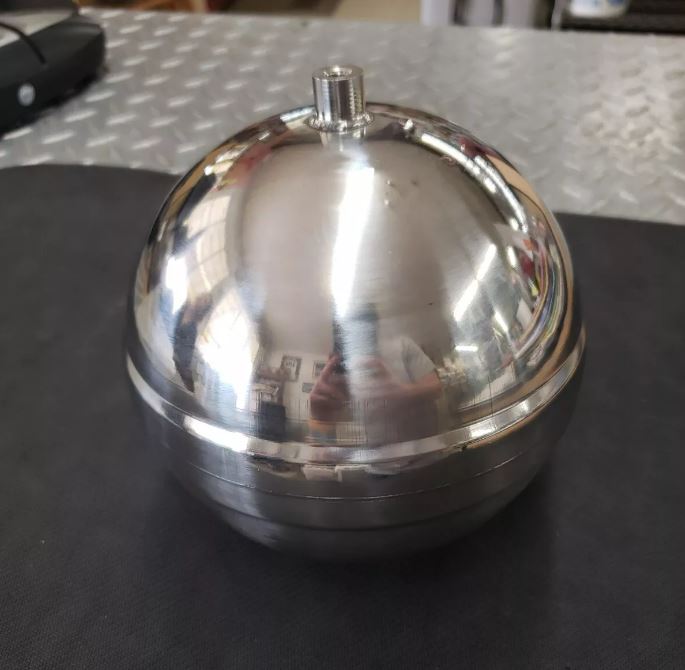
The old stainless steel float ball is not flashy in the slightest, yet it is life changing. While we advance and create new technologies on the basis of the previous generations’ work, remembering these useful and straightforward devices reminds us of the combination of knowledge of the past and the achievements of the present. The simple float ball proves that the technological advancement did not start and ended with the sophisticated gadgets and gizmos that we see today; the best ideas are often the most basic ones.