Experience The Charm Of Scandinavia’s Most Beloved Home Feature!

August 27, 2024
source: Lindholm Kakelugnar
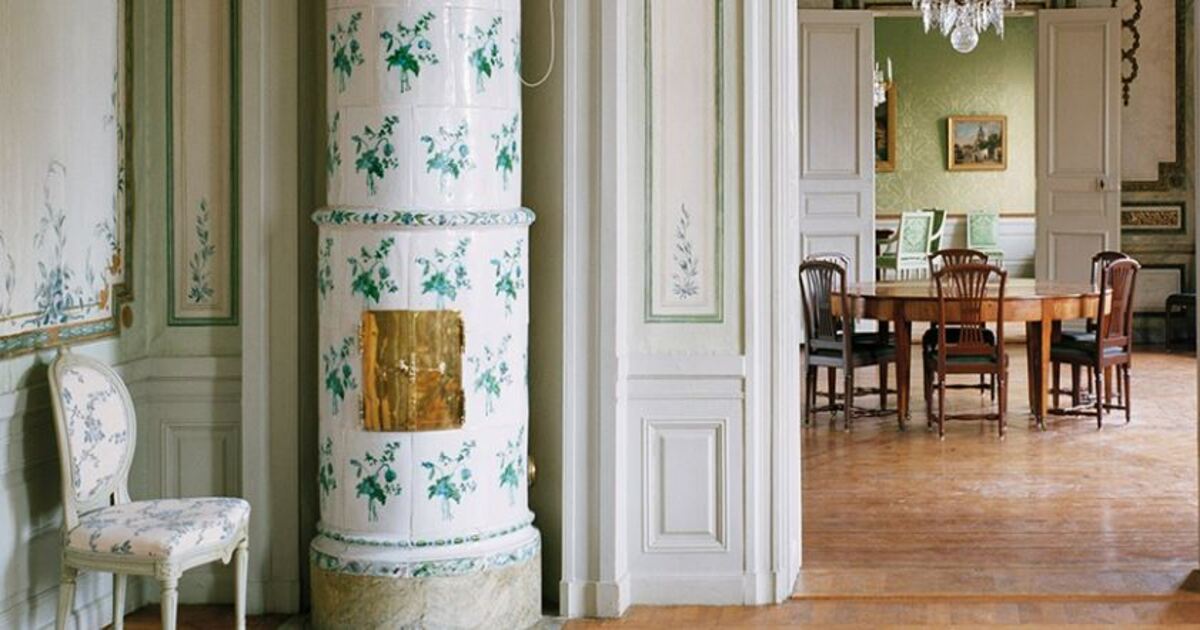
The Swedish tile stove, also called “kakelugn”, is not only a significant feature of many homes, be it a traditional log cabin, or a modern apartment, but also art in the form of a heating device that is environmentally friendly.
The history of the Swedish tile stove can be traced back to the 18th century when people of Sweden were in search of better ways of heating in the cold weather. The design of these stoves was informed by the need to use wood while at the same ensuring that the heat and warmth it produces is sustainable. The Swedish Royal Court even used skilled craftsmen to develop these practically and aesthetically artistic structures and they soon became an emblem of home comfort and affluence.
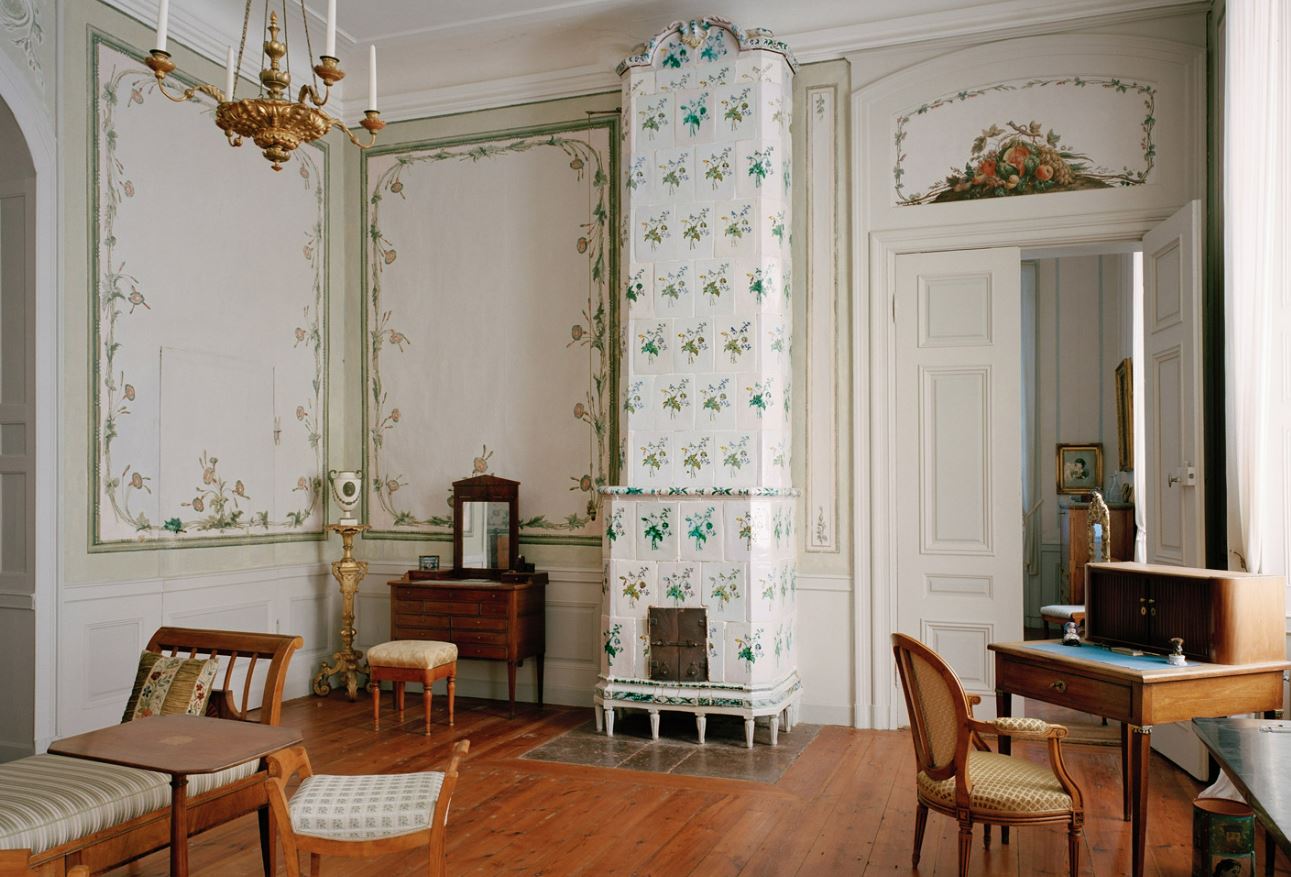
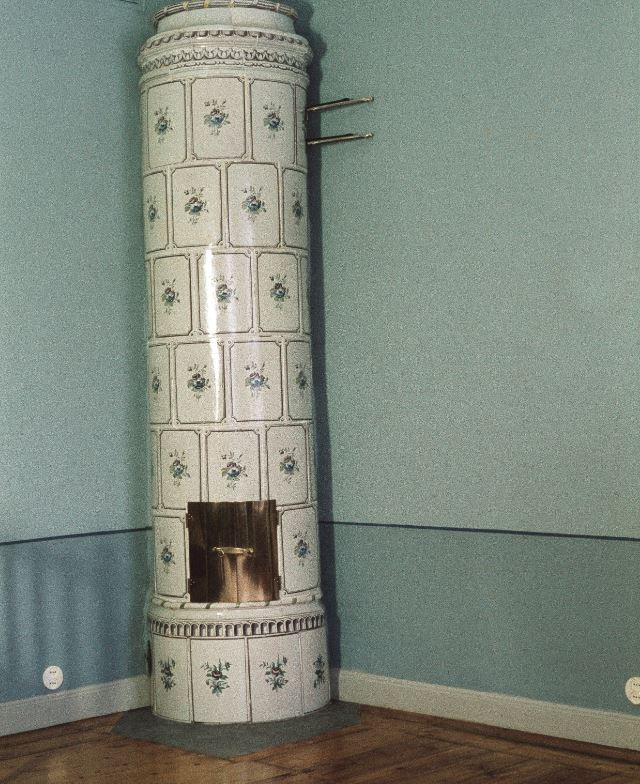
These stoves were identified by their tall cylindrical structure, and the fashioning of the ceramic tiles which adorned these stoves is said to have been in a bid to ensure that the heat was well contained and released slowly into the environment. This was done due to complex design of the stove which included the path of hot gasses from the fire to the chimney which would ensure that more heat was produced while using less wood.
In the course of time, Swedish tile stoves have developed from simple structures to the examples of magnificent craftsmanship with the elaborate patterns, colors and glazes which were typical of the 19th century European art trends.
While in use in the past, these stoves were valued mainly for the historical aspect that they possessed, but today they are admired both for that and for being environmentally friendly. Kakelugn´s significance increases with the concerns of sustainability as it provides effective, low emissions heating. Modern models can be connected with the modern heating systems to make sure that they conform to today’s environmental standards yet still have the traditional look.

These stoves also have an artistic influence that is not only limited to the surrounding area. They are considered a type of furniture which is often commissioned according to a specific owner’s preferences and the interior design of their home. To date, architects and designers keep on using the designs of kakelugn and even its motifs and techniques in constructing modern buildings.
The Swedish tile stove is an excellent example of the craftsmanship of Swedes who has always known how to create useful items that are aesthetically appealing. It is still a popular feature that can be found in many households and, as such, it teaches an important aspect that design should not only be appealing but it should also be practical, time-honored yet modern, and aesthetically pleasing yet ecological. Thus, returning to the roots for answers to today’s questions, the kakelugn combines the best of the past and the present as a source of both literal and figurative warmth.