At First Glance It Looks Ordinary – Then You Notice The Eyes

June 14, 2025
Source: Reddit
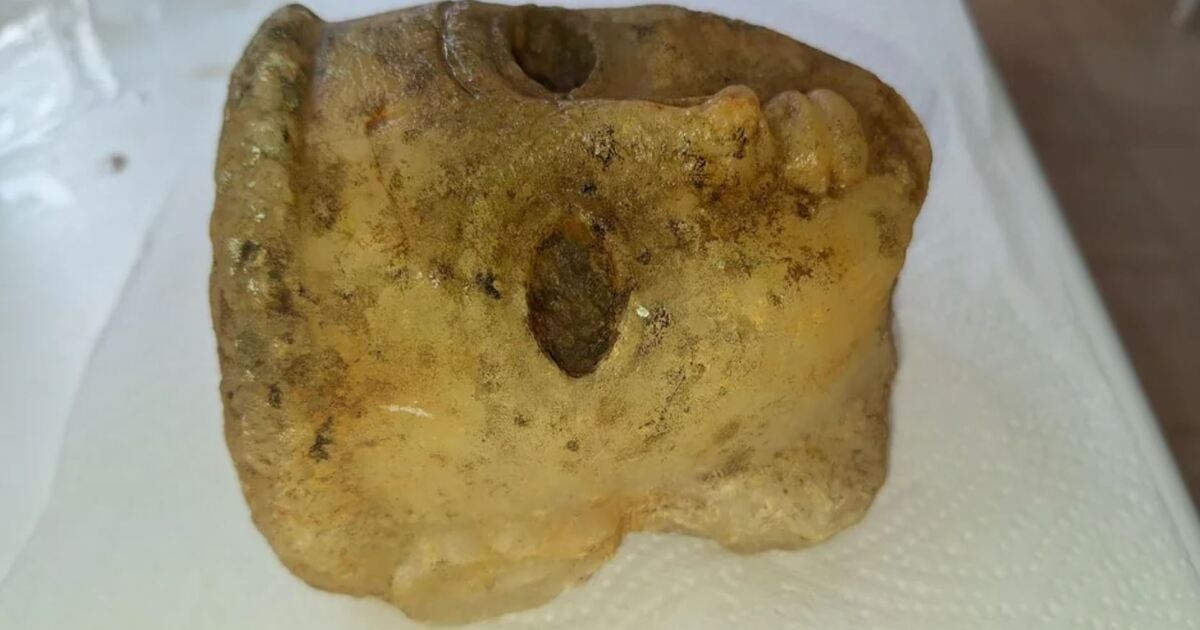
In the golden dust of South Arabia — largely contemporary Yemen — once grew an ancient civilization of monumental builders, inscription-carvers and artifact-makers. One such work retains a sort of mystery and elegance: the South Arabian alabaster head of a man. Eons have taken their toll on its surface, but the sculpture’s peaceful stare still makes a connection to a universe long-lost.
Carved in Stone and Silence
This artifact was probably crafted by a group of craftsmen throughout the 1st century BCE and the 1st century CE. Their choice of alabaster was based on its malleable nature and luminous surface, which enabled them the freedom to work in complex, robust shapes. The head is characteristic of the artful design and the subdued expression of South Arabia.
Yet the sculpture still maintains dignity even in its wear. Deep-set eyes — possibly once inlaid with shell or colored glass — hint at an intense, eternal vigilance. The neutral mouth and calm expression reflect the kind of aloofness that is characteristic to many South Arabian portraits. Delicately incised ridges and curls indicate hair, suggesting personal grooming or status.

The Place of Alabaster in the Life of South Arabia
In ancient South Arabia, people appreciated alabaster for more than just its beauty, but also its religious significance. They employed it in temples, homes and, especially, tombs, where they set up statues and stele to honor the dead and enable remembrance.
This alabaster head was probably part of a funerary monument. It could have topped a stone stele or been part of a larger figure. South Arabian sculptures are not portrayed in a realistic manner, but were symbolic images that would sustain eternally and would represent the…. eternal human presence in the South Arabian religious understanding.
The incense trade and the artistic identity
South Arabia was also important to the incense trade in the ancient world. Mule trains brought in frankincense and myrrh from the desert, connecting the area to empires soar as far away as Rome and India. These trade routes also meant the flow of ideas and artistic inspiration.
Yet despite this cultural dialogue, South Arabian artists developed their own visual grammar. The clean lines and delicate features of the alabaster head reflect the region’s preference for quiet elegance over lavish detail. “In this manner, the sculpture tells of a people who are traditional, respectful, and in-tune with their ancestors.
Museums and collectors today house objects such as this head. Each provides a rare and potent insight into the past of South Arabia, part of the story of a society that was sophisticated and spiritual.

A Glimpse Beyond Time
Gazing into the eyes of this carved face is like stepping through time. The South Arabian alabaster head of a man not only shows the hand of a great artist at work but also forever stirs a sense of memory and presence. People have carved and painted and built across the ages in the expectation of being remembered. This sculpture is a reminder of our common human longing.
Whether on a museum shelf or in a private collection today, this ancient head whispers gently over the centuries. It asks us to remember those who came before and to see the world that they saw — not through grand monuments, but through the simplicity of beauty.