She Held This in 1956—It Wasn’t a Phone, But It Changed Her Life Forever

August 16, 2025
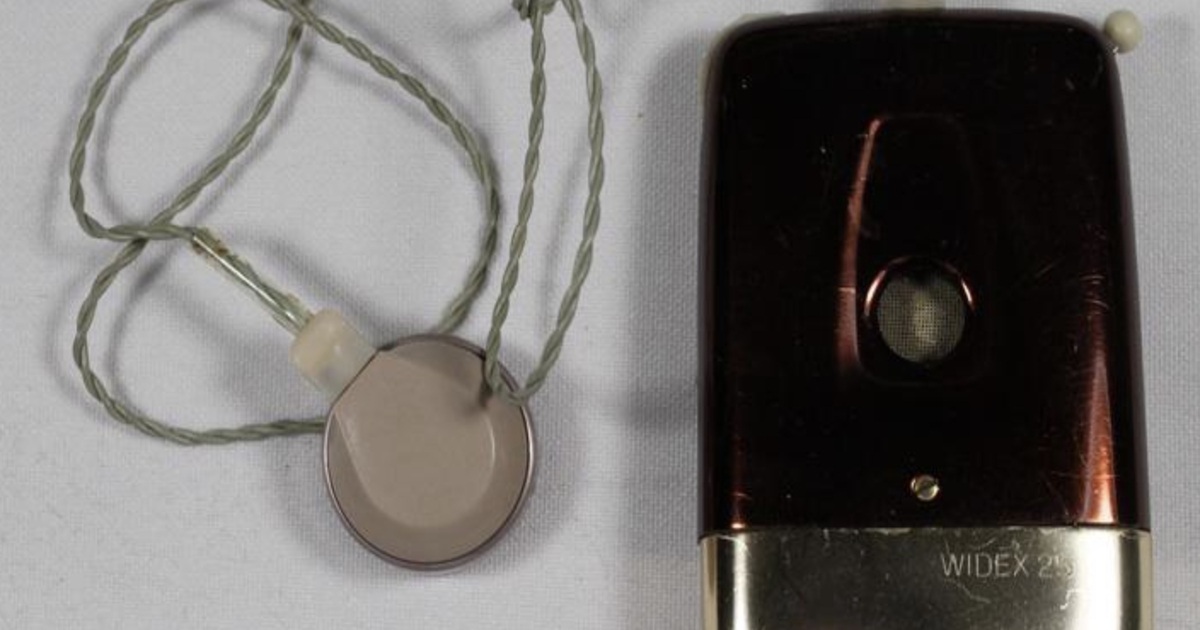
Source: Victorian Collections
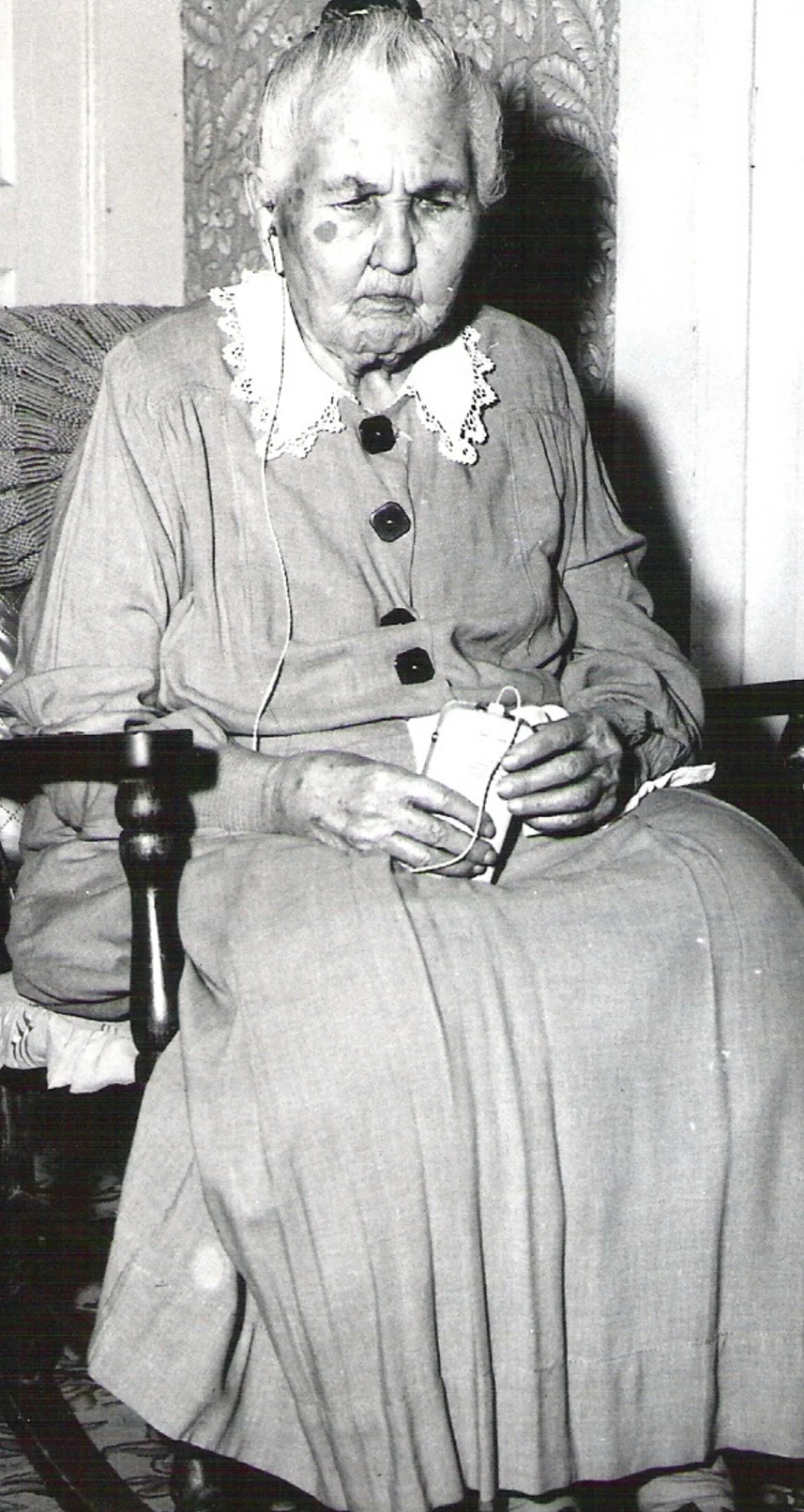
There you are holding one of the first phones, great-great-great grandma black and white photo. In her chair hands cradling it reverently like something odd but somehow vital. The retro hearing aid sitting on an elderly woman’s ear, was a high-grade piece of technology back in the 1950s. When greater accessibility in design was still a new idea.
The Evolution of Hearing Technology
Today, we hardly notice modern hearing aids—tiny devices tucked neatly behind the ear or even hidden within the ear canal. But rewind to the 1950s, and hearing aids were much more visible and mechanical in nature.
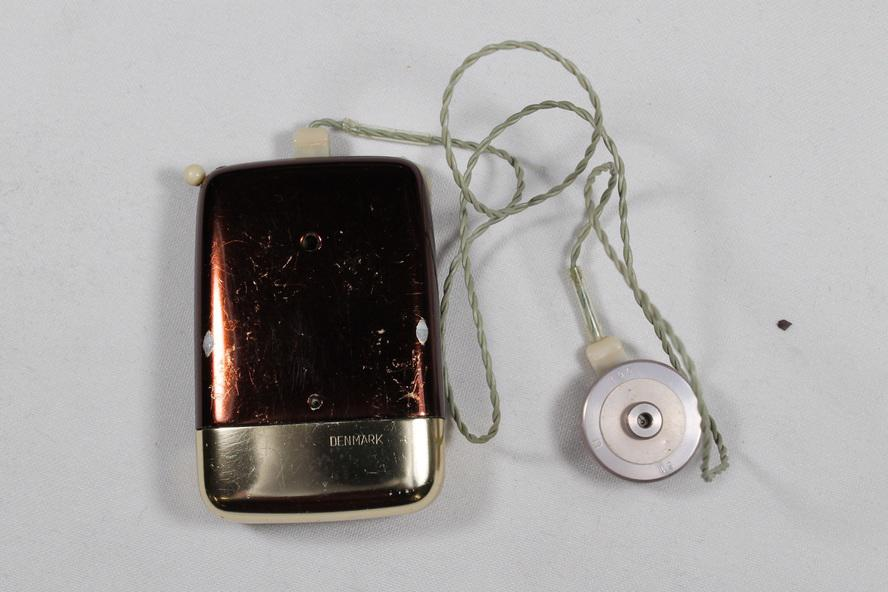
With one like the device your ancestor wore, they usually were bodyworn. A battery-operated microphone was connected to a pocket-sized amplifier hooked on the wearer’s dress or put in his pocket. A wire that connect to an earphone hung in the ear. While probably not the most inconspicuous arrangement, for many with hearing loss it was nothing less than transformative.
A Symbol of Resilience
Before the era of high-speed digital signal processors and Bluetooth communication, these devices operated using a network of vacuum tubes (shown in an illustration above) mostly or later transistors. It all changed in the 1950s when smaller, more efficient transistor hearing aids came on the scene, beginning to replace bulky vacuum tube models.
These first devices met a need which today’s elderly would appreciate, and something dear to your great-great-great grand mother — connection. Instead of the silence that often accompanied aging, they began speaking with family, listening to the radio and hearing everyday sounds taken for granted by younger generations.
What It Meant in Daily Life
Think about what it would be like to try to follow a boisterous Sunday supper, with children scurrying about, dishes clinking in the background—but not hearing exactly. This wee gem of a hearing aid restored those experiences. It was imperfect — background noise could be harsh and batteries drained quickly — but it was better than nothing.
A great deal of users had a intimate relationship with their devices, something easily mirrored by smartphones today. It needed to be nurtured, it had a charge or fresh batteries to keep and you adjusted it yourself. It was just a thing you did.
A Look Back with Gratitude
This photo is not just a picture from days gone by, it’s seeing the levels of resolve of tenured alumni and their families. This is the very definition of how advanced technology has gotten, but also of making a helluva lot out of fuck all.
Your great-great-great grandma’s hearing aid may look terribly dated now, but back then, it was a miracle of technology: progress made flesh — and sound.
I source, that is really a very pretty part of the old days.