Why This One Mod Still Gets People Talking

March 23, 2026
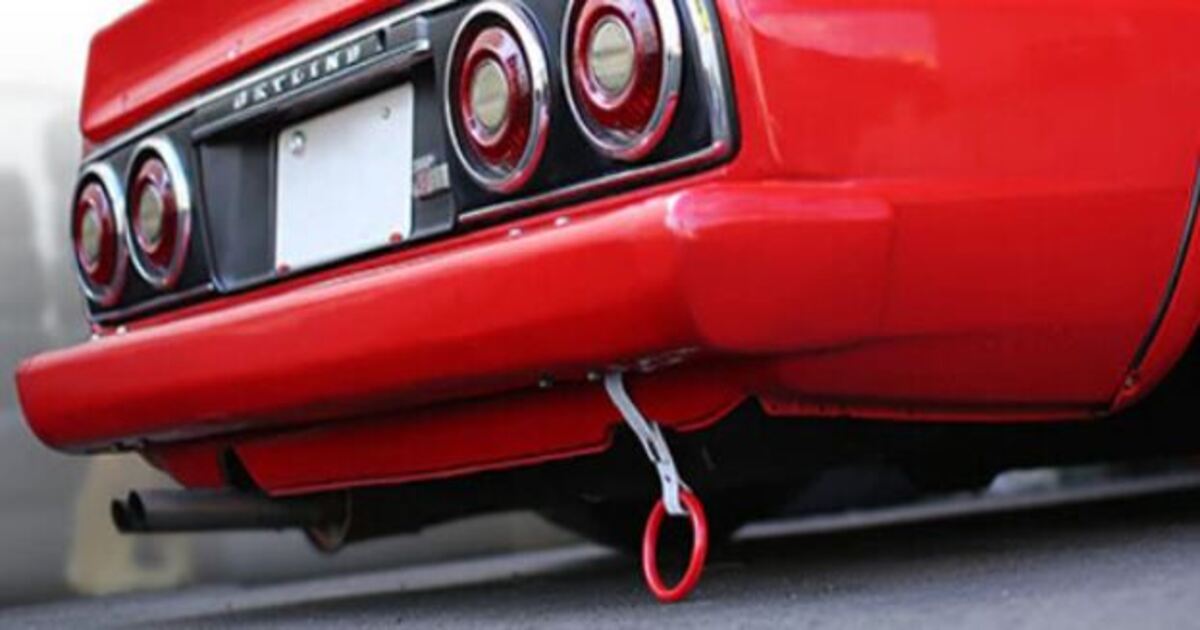
source: JDM Tsurikawa
To put this all into perspective, the tsurikawa, like many other aspects of car culture, has a multitude of tiny features that capture our imagination. For example, the tsurikawa is simply the strap hanging off a car’s bumper. However, when we learn the true meaning of tsurikawa, it is much more than a feature.
In Japan, the tsurikawa refers to the straps hung along the railing of trains and buses. Commuter passengers hang onto the straps to maintain their balance while riding. Many dictionaries describe the tsurikawa as “strap handle” or “hanging strap on public transportation.” That is where the story of the tsurikawa starts.
From Public Transportation to a Symbol of Youth Culture
There are several reasons why the tsurikawa is a memorable item; one is the rapid transition of tsurikawa, a part of your daily commute, into youth culture. An item originally designed to bring order, safety and a sense of routine was given a second life in a completely different and often unexpected way.
This rapid transition is most directly associated with the emergence of the bosozoku. In Japan, the bosozoku was Japan’s version of the American motorcycle clubs. They emerged in the late 1970s through the early 1980s. These groups were characterized by huge engine sizes, extensive customizing and an overall disdain for mainstream values. While many academic and sociological studies have identified the bosozoku as a highly visible delinquent sub-culture that peaked in numbers in the early 1980s before declining rapidly due to law enforcement crackdowns and social pressures, it did represent an interesting and unexplored phenomenon for many people outside of Japan.
For members of the bosozoku, the tsurikawa was no longer just a strap hanging off of the train. To them, it symbolized their attitude toward society, their defiance and their affiliation with the Japanese underground street culture.
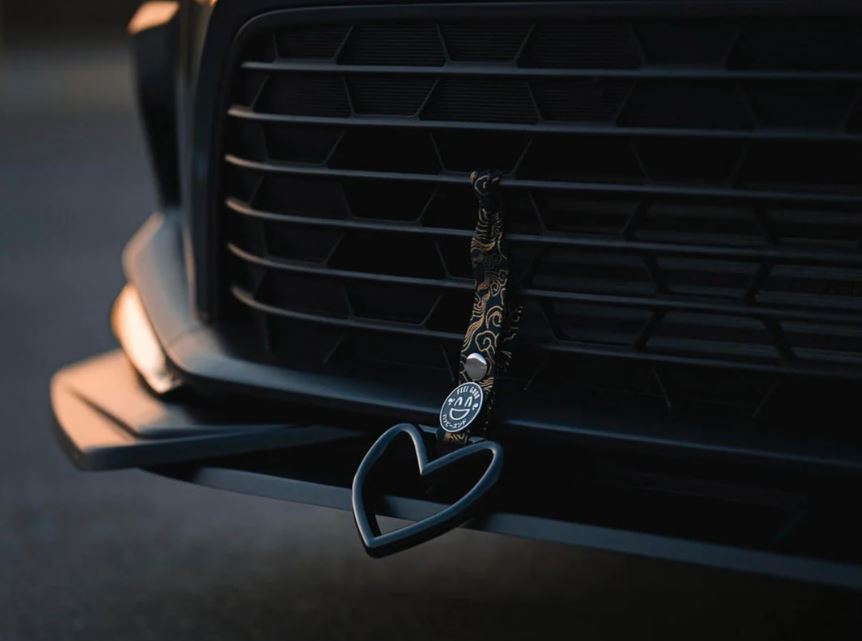
What it Looks Like on Your Car Today
Today, tsurikawa is most well known as a popular modification to add to a JDM (Japanese Domestic Market) import. Typically, the tsurikawa is attached to the back of a modified vehicle, either to the rear bumper or the tow hook area. The tsurikawa is extremely popular on lowered vehicles since the strap hangs down dramatically and adds to the aggressive look. Many of the JDM enthusiasts’ websites and forums state that the tsurikawa is a styling cue rooted in classic Japanese street culture and vintage-style modifications.
Its appeal can be attributed to its simplicity, ease of installation, and its relatively low price. Additionally, it has some historical significance.
Final Thoughts
In summary, the tsurikawa is a product of function, rebellion and nostalgia. It began as a practical transit strap. Next, it became a product of youth expression in Japan. Eventually, it traveled to the car culture around the world. Its journey is what makes it so unique.
Sometimes, it is the smallest items that tell us the greatest stories. The tsurikawa tells that story.