The Old-School Tool That Turned A Bad Day Around

July 11, 2026
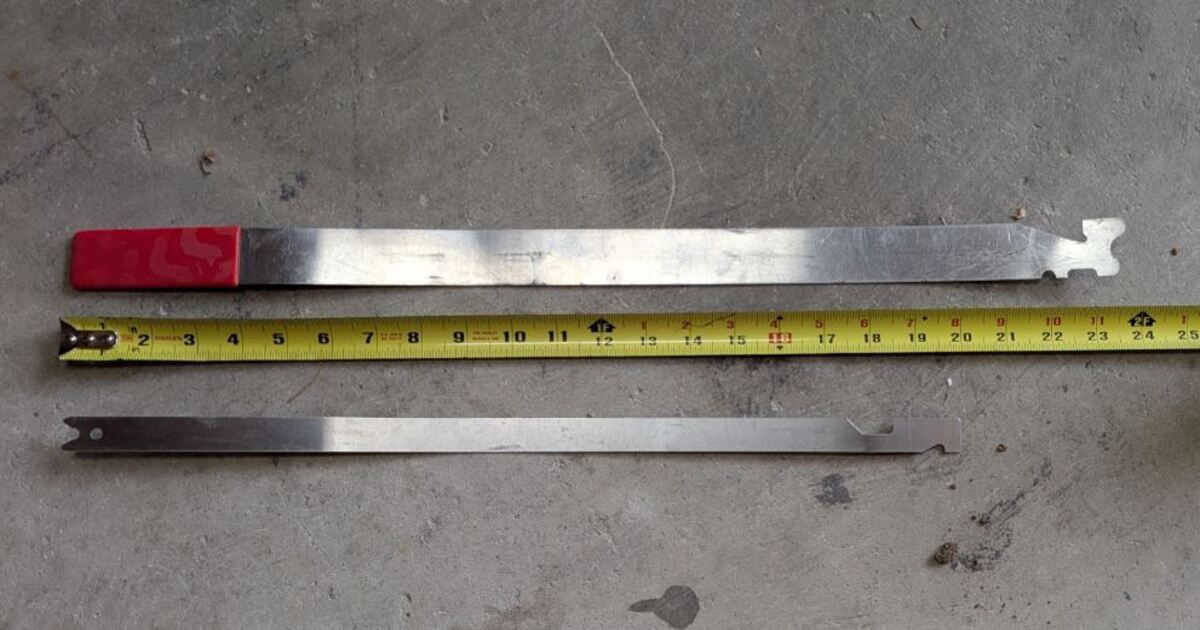
source: Reddit
At first view the objects appear as just long pieces of scrap metal. One object has a red handle; the other has several small hooks and notches. The slender nature of the objects does little to suggest what the objects were originally intended for.
These are vintage car lock-out tools, known as “slim-jims,” which were once widely used by locksmiths, automobile repairmen, police officers and roadside service personnel. These tools were primarily used to assist professionally trained individuals to open certain types of car doors. This was necessary when motorists had inadvertently left their keys locked in the vehicle.
Many older automobile owners will recognize these tools as being related to a common roadside problem. It is easy to become distracted. Thus, the keys can be left on the front seat while the doors remain locked.
What is a Slim-Jim?
A slim jim is a long, relatively thin, flexible rod (usually made of spring steel) with some type of notched area on one end. Each model of tool was specifically designed to match the unique configuration of a particular type of automobile’s interior door-lock mechanism. Therefore, the two tools photographed above are similar yet somewhat different.
As opposed to using the key hole, the tool manipulated internal components within the door. Many older automobiles employed relatively straightforward mechanical linkages. These consisted of a combination of rods, levers and cables to allow the lock button, exterior handle, and latch to function together. If properly trained and equipped, an individual may be able to manipulate this linkage with a well-designed tool. As a result, they could cause the lock to open.
From approximately 1960 until around 1985, the slim-jim became one of the most recognizable forms of automotive lock-out tools. However, it is worth noting that locksmiths used numerous other specialized tools. This was because there was no single tool that could be adapted to work on virtually every type and model of vehicle.
A Pre-Cell Phone Problem
Prior to the advent of cell phones and remote-entry systems, losing your keys in a vehicle represented a significant inconvenience to motorist. There was no smartphone application available to remotely unlock the doors. Also, there was no personal assistant (such as Siri) to provide assistance.
If you were unable to enter your vehicle due to lost keys, you could potentially walk to a nearby service station/gas station and utilize the payphone. Some motorists carried a second set of keys in their wallets. Others contacted friends/family members. These people could either pick up a replacement set of keys or arrive with a locksmith/mechanic/police officer to assist in unlocking the vehicle.
Following these actions, motorists typically spent considerable time waiting beside their vehicles parked in shopping center parking lots, empty streets, etc. Once help did arrive, the technician usually brought with him/her a assortment of various-sized metal strips/wedges/strands of wire/etc. These appeared quite mysterious.
Upon viewing a slim-jim for the first time, it seemed like magic. The skilled technician would inspect the door. Then they would determine which tool(s) he/she needed to attempt to resolve the situation without damaging any windows.
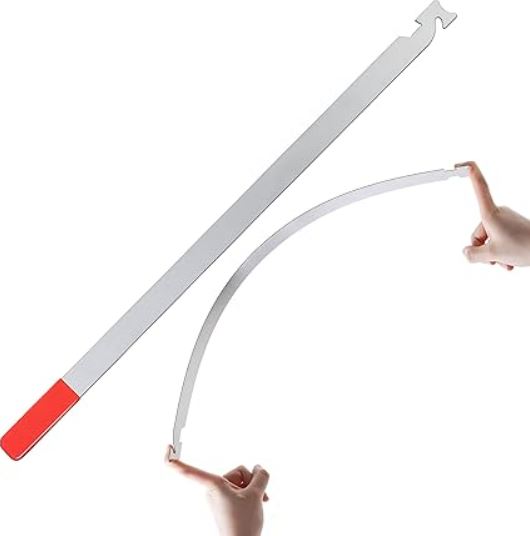
Different Designs
The reason why there are multiple shapes to the vintage slim jim car lock out tools displayed in the photograph is due to how automobile companies manufactured door-linkage mechanisms. A given tool design might fit perfectly with a specific style of linkage. In contrast, another design may fit better with a completely different linkage configuration.
As such, locksmiths often purchased entire assortments of slim-jims instead of depending upon a single universal tool. In addition, manufacturers continued to evolve door designs/latch configurations/protective barriers, resulting in new shapes being developed for new tool designs.
This assortment resembled a group of oversized metal ruler-like objects — each with its unique shape/style of hook/notch.
The assortment of tools demonstrated why these tools necessitated both expertise and patience. An untrained individual attempting to force a metal object into a door could easily dislodge internal mechanical rods/break seals/damage locks beyond repair. Even older mechanical doors were not necessarily as simple as they appeared.
Why Slim Jims Are Not Used Today
Automotive manufacturers continually updated lock-out technology. Modern cars include safety devices, electronic locks/cable operated mechanisms/wiring/sensors/internal door structures — all designed to protect against unauthorized access. Automotive manufacturers have changed door and locking systems so extensively that professionals now need tools suited to specific vehicle models. Today’s roadside technicians and auto locksmiths often choose entry tools based on the vehicle they are servicing. Some technicians still use slim jims, but these tools no longer work as a universal solution for gaining access to every vehicle. Moreover, incorrectly utilizing these tools can result in damage to the door’s internal components.
Therefore, drivers should seek assistance from a certified locksmith or roadside service organization if they require assistance gaining access to their vehicle. Organizations such as AAA provide lock-out services. They can request locksmith assistance/towing if technicians are unable to safely gain access to the vehicle.