They Look Like Random Metal Branches, But They’re Not Random at All

June 6, 2026
Source: Reddit
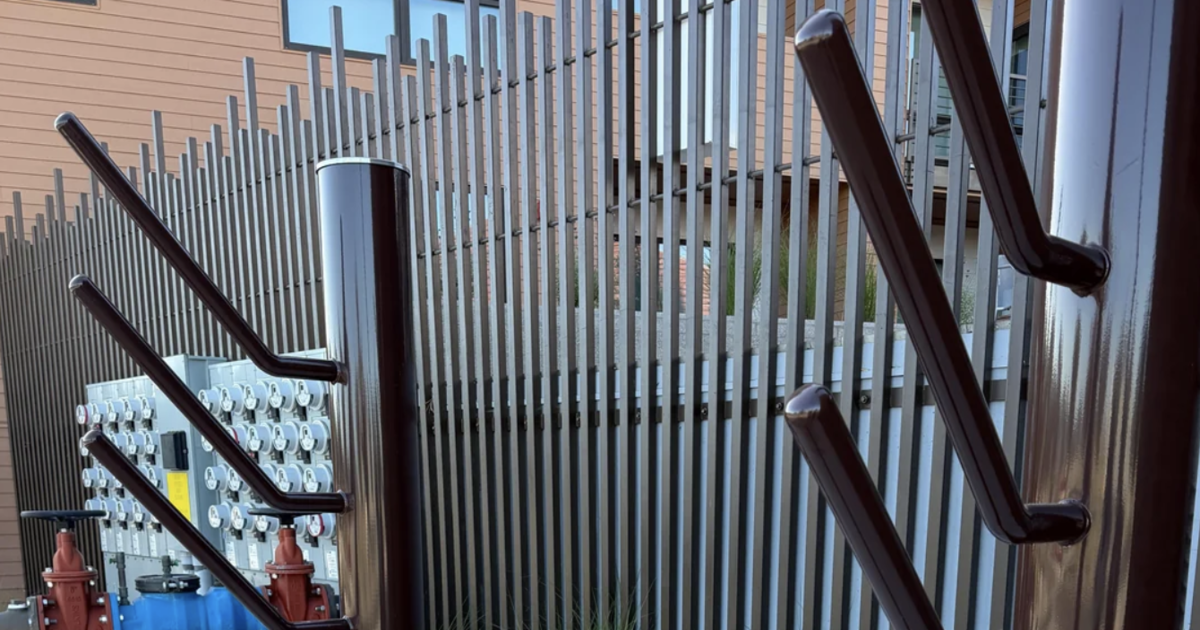
At first, the units appear to be unusual metal extensions on a pole. Angled up in a somewhat symmetrical manner, the metal extensions extend outward from a vertical pole. In many ways, they resemble an incomplete bicycle stand, and in fact, without context they might be considered a form of public sculpture or decorative element.
However, the units are actually intended as surfboard wash stations. Water is supplied through a hose connection at the bottom of the vertical column. The horizontal arms provide a means of securing surfboards. Users can hang their surfboards on the arms and rinse them clean of saltwater, sand, and debris prior to transporting the surfboards into their residence.
Why Some Apartment Buildings Install Surfboard Wash Stations
Many students attend college in coastal communities where surfing and visiting beaches are very much a part of their everyday lives. As such, students may choose to visit the beach prior to attending classes during the morning… Immediately after classes conclude, or perhaps as a weekend activity. Following each trip to the beach, students’ surfboards, wetsuits, etc., typically bring sand and salt back into their living spaces. This condition creates a potential mess in short order.
To help minimize sand and salt residue entering hallways, elevators, bathrooms, and individual residences, many coastal colleges located in close proximity to beaches install surfboard wash stations adjacent to the exterior of buildings. Furthermore, these installations facilitate maintenance activities by making it simpler for residents to take care of their surfboards. A few minutes of rinsing with freshwater will remove a significant amount of salt, sand, and debris from the entire board (including fins), as well as the board’s leash and waxed surfaces.
Why Do the Horizontal Arms Need to Be Angled?
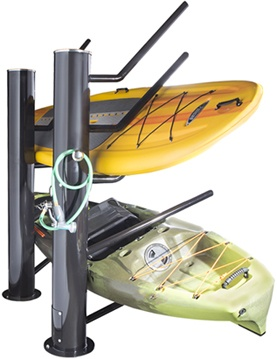
The slanted design of the horizontal arms allows residents to secure longer surfboards (in addition to shorter ones) safely while preventing them from resting on the surface below. If flat horizontal arms were installed instead of slanted arms. It would be difficult to maintain stable placement of wet boards. Additionally, the inclined position facilitates rinsing (the excess water runs down off the boards) and protects the boards from scratches or damage caused by exposure to coarse concrete surfaces or pebbles/small rocks. Residents no longer need to lean their boards against walls or drop them onto sidewalks. Rather, residents can store their boards at a suitable elevation.
Much More Than a Surfboard Rack
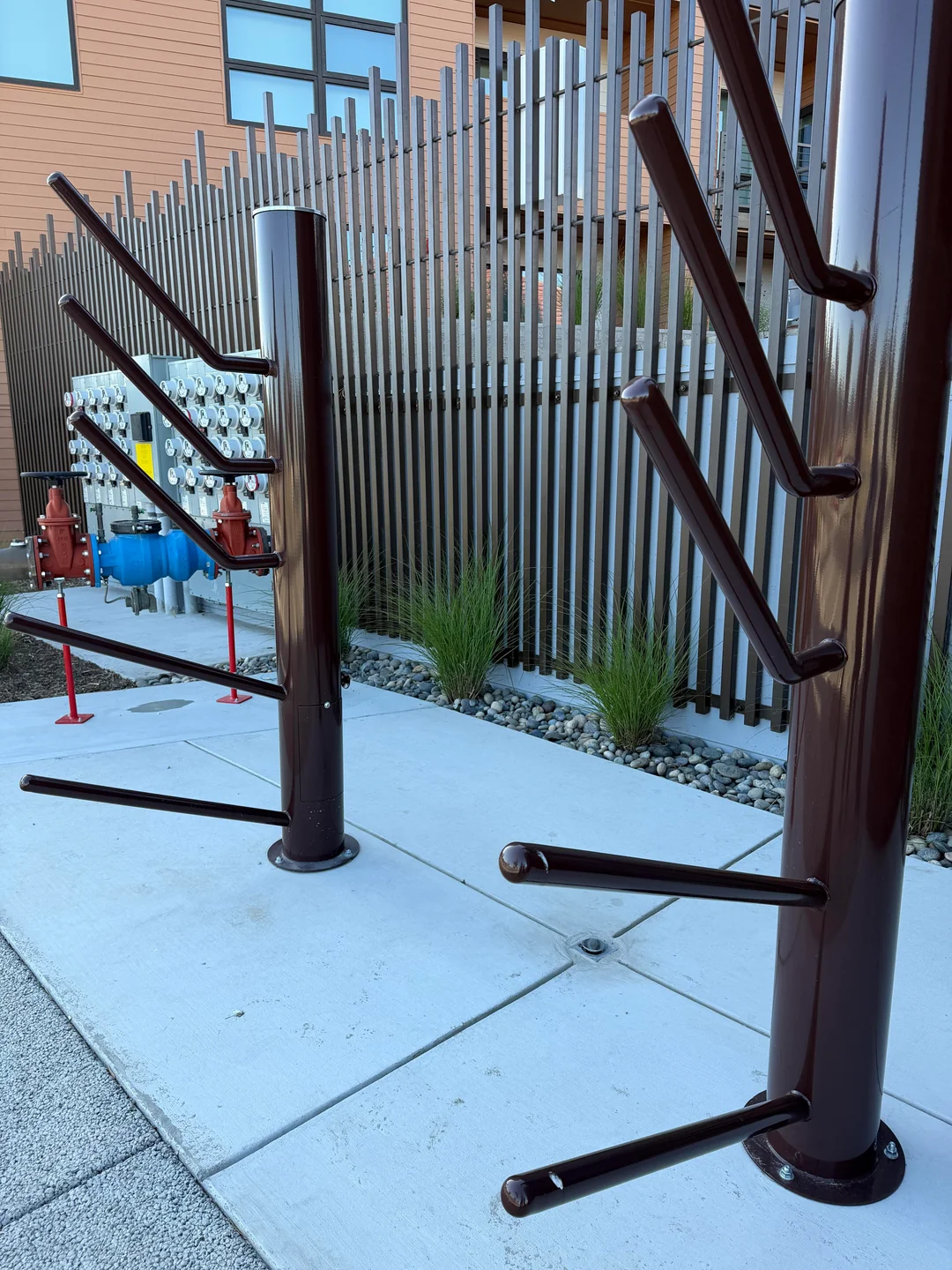
While these installations are obviously intended for surfboards, residents may find alternative uses for the same equipment. For example, paddleboards; bodyboards; wetsuits; beach chairs; umbrellas. And coolers covered in sand may require rinsing before being brought into an apartment unit.
This provides additional evidence that installing surfboard wash stations in apartment-style housing is sensible. Often, small apartments lack sufficient space for drying/cleaning large quantities of outdoor/sea-salt-contaminated items. Furthermore, most people do not want to experience the sensation of having sandy floors in their showers.
Small Details That Reveal Something About a Location
Although the initial appearance of these surfboard wash station installations may seem unusual at first sight. They offer insight regarding how an apartment building has been constructed around local lifestyles. Specifically, in a coastal college town environment where there exists a high demand for access to beach-related activities. This modest detail addresses an extremely common problem for residents. These surfboard wash stations create a cleaner living environment for both the building itself and its residents. Residents are able to properly care for their beach gear. And overall, returning to their homes after spending time at the beach is made less complicated because of these small details.
Therefore, despite initially appearing to be merely odd-looking structures extending from an apartment building, these surfboard wash station installations demonstrate that even seemingly minor architectural elements can serve larger purposes when incorporated into residential designs based upon regional lifestyles.