Spotted These Strange Wires? Here’s Why!

October 12, 2026
Source: Istock
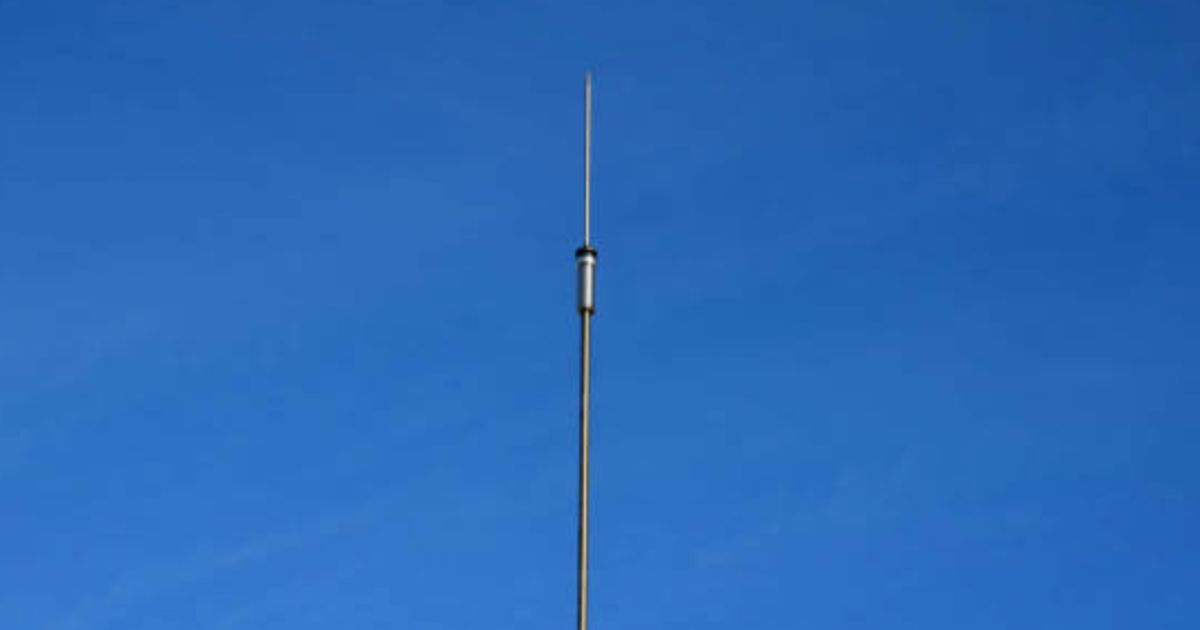
Visualize entering a parking area and observing a strange sight. On your left is a car with a large pole extending straight up toward the cloudless sky. To the right of that car is a thin antenna that extends above the leafy branches of the surrounding trees.
It seems odd when you first look at the way this is set up. Could it be that these drivers are evaluating some equipment or technology? Are they using special devices to track radio signals? Could it be some type of weather research project?
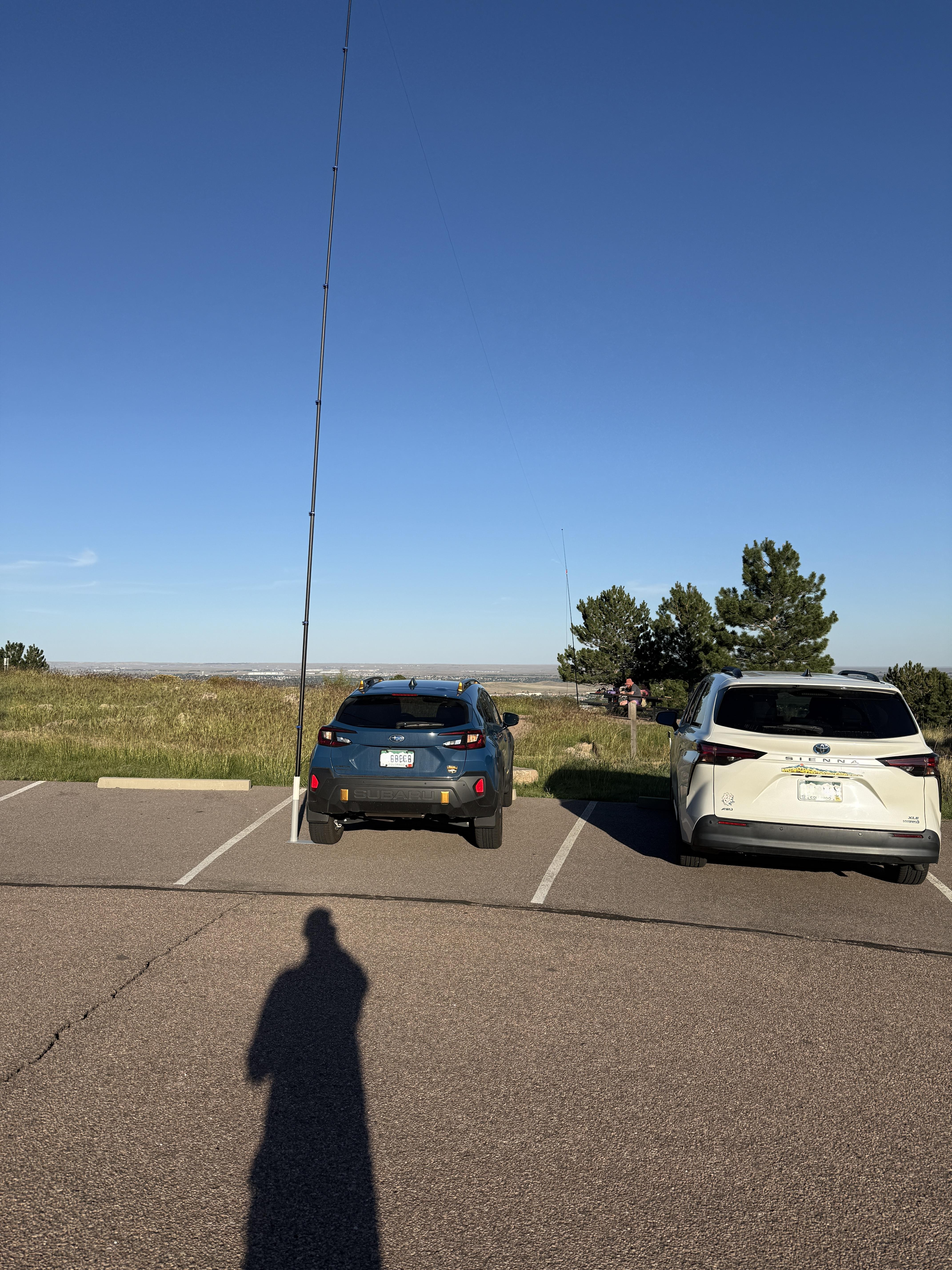
That’s what someone posted on Reddit about the odd setup they found at Cheyenne Mountain State Park, Colorado.
A picture was taken of a blue Subaru next to a tall pole. One thin wire came out of the car’s antenna, and a smaller pole was standing near the picnic table.
Naturally, people wanted to know what was going on.
The probable solution was an item which has been connecting people for decades; a ham radio antenna system.
What Is a Ham Radio Antenna Doing in a Parking Lot?
Amateur Radio, commonly referred to as “Ham Radio,” enables authorized operators to interact with others through the use of radio frequency communications rather than cellular network or internet-based communication.
The unusually long poles seen in the picture are likely to be movable antennas. These types of antenna systems can be used by radio hobbyists for sending and receiving signals from long distances.
When operating in open spaces where there are few or no nearby obstacles, the height of an antenna will increase its overall performance.
One interesting aspect of the picture is the foundation of the taller pole. It appears to rest on a mobile support structure located underneath the car’s tire.
By using this creative method, a person can install a high-flying antenna on their car without having to permanently attach it to the pavement in the parking lot.
When the radio session has finished, the operator is able to pack up all of his equipment and go home.
An Old Hobby That’s Still Going Strong
For numerous individuals, ham radio evokes nostalgia. The nostalgia for an era preceding the introduction of mobile phones, instantaneous communication via text messaging, and video conferencing.
During the 1950s, ’60s, and ’70s, amateur radio drew people who liked to try different things with their antennas. Turn knobs on their radios, and see how far away they could hear.
The first group of operators designed and built all of their own equipment, while the second group bought radio equipment and spent many hours studying how to properly operate it.
Being able to communicate with another person who may be hundreds, or even thousands, of miles away can be a very rewarding experience. It is even more rewarding when that communication occurs over a distance that was accomplished without using current-day communication technology.
This activity created a sense of community among operators. Operators would trade call signs with each other, exchange technical information, and even send out confirmation cards (called QSL cards) to acknowledge their successful contact.
Amateur radio continues to be a favorite among hobbyists who find pleasure in the challenge of using technology to connect via the radio.
Why Do Ham Radio Operators Visit Parks?
The Reddit image could be a photo of someone participating in Parks On The Air (POTA).
This well-known amateur radio activity allows radio operators to establish temporary radio stations at specific park locations, allowing them to communicate with fellow radio enthusiasts.
Participants do not use a fixed radio station at home but rather bring their radios, antennas, and portable power sources with them when they go outside.
A park provides ample room for establishing equipment, so a park makes a good site for a portable radio station.
Many operators sit at picnic tables, using a small radio and notebook. Many other operators use laptops to record their contacts.
The goal is simple: make radio contacts while enjoying the outdoors.
However, the photo alone does not establish if the operators were officially involved with a POTA activation.
Why Are the Antennas So Tall?
Radio antennas are not always very large. The size of an antenna will vary based on the frequency it uses.
As for some of the amateur radio frequency bands, the longer your antenna is, the better you will be able to both send and receive.
There are many types of portable setups. Some of these include using a collapsible fiber glass pole for supporting a lightweight wire antenna. Other setups may include using a metal mast, or an antenna mounted on a vehicle.
The small wire that is visible in this image could either be part of the radiating antenna itself or the structure supporting it.
To people who have no experience with amateur radio, these installations can appear strange. Especially if the antenna is mounted on top of a pole that extends high above the car.
Despite their appearance, they’re generally ordinary pieces of radio equipment.
A Reminder of the Days Before Smartphones
There is a certain nostalgia associated with observing amateur radio gear in a contemporary parking area.
The world is now connected by simply tapping a button on your cell phone. However, ham radio operators continue to make contact with people from around the world through the use of radio waves, antennas and their own technical knowledge.
Some people are challenged by ham radio, while some find the community aspect interesting. Many also enjoy trying out new things and listening to people from all over the world.
The next time you see a car parked next to a very tall pole with many wires extending up into the air, you are likely witnessing a hobbyist who is participating in a pastime that has existed for decades through several periods of technological advancements.
At some other distant location, an enthusiast who is also interested in radios will most likely try to find their signal.