Why Was This Once Such A Common Sight?

September 23, 2026
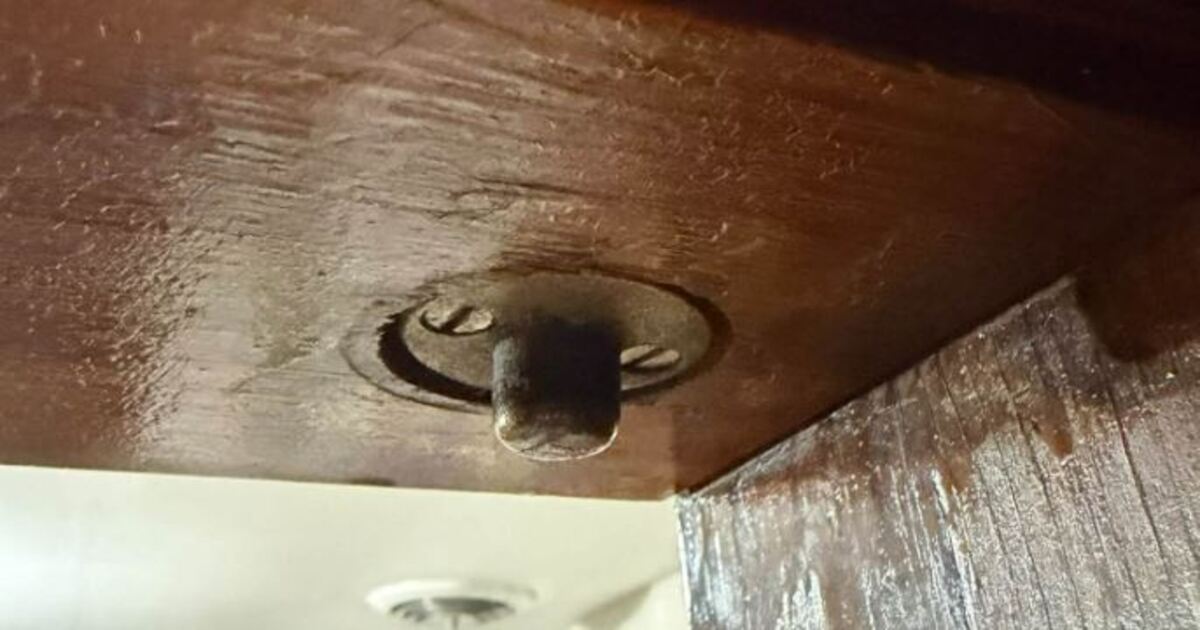
source: Gabriella Dickson/Facebook
You have seen the knobsLeft by old housesTo make you wonderWhat used to be in those places. Though the fitting in the picture seems to be playing with a double action swinging door, one that goes through the jamb in both directions rather than just opening one way.
These types of doors were common in kitchens, dining rooms as well as restaurants, hotels and other busy spaces. You shouldn’t have to pause, adjust a dial and pull the door your way. You powered through, moved on.
Double-Acting Swinging Doors Are Also the Best Friend You Didn’t Know You Need
The biggest advantage was convenience. Regular doors can be cumbersome when someone carried a tray of food, or possessed both hands full. The problem was solved by a swinging door that could be pushed open with the shoulder, elbow, or hip.
They were commonly used as relay stations for restaurants between kitchens and dining rooms. They were also used in old homes to separate the kitchen and dinning room from one other, yet still allow for traffic between them.
In fact some of the doors had a small window at eye level that another person might glance through when someone was at the other side.
The Hardware Behind the Door
An ordinary door swings in one direction and comes to a halt against the jamb. A double-acting door requires specific hardware that allows it to open in two directions.
These used pivots, spring hinges, or other fittings at the top and bottom that depended on its design. Additional machines reset the door to its original position after a person walked through.
Which is why old hardware such as the fitting in the image can seem strange today. As long as the original door is gone, it may appear to be simply an enigmatic metal insert in the door frame, but one time it served a far more vital purpose.
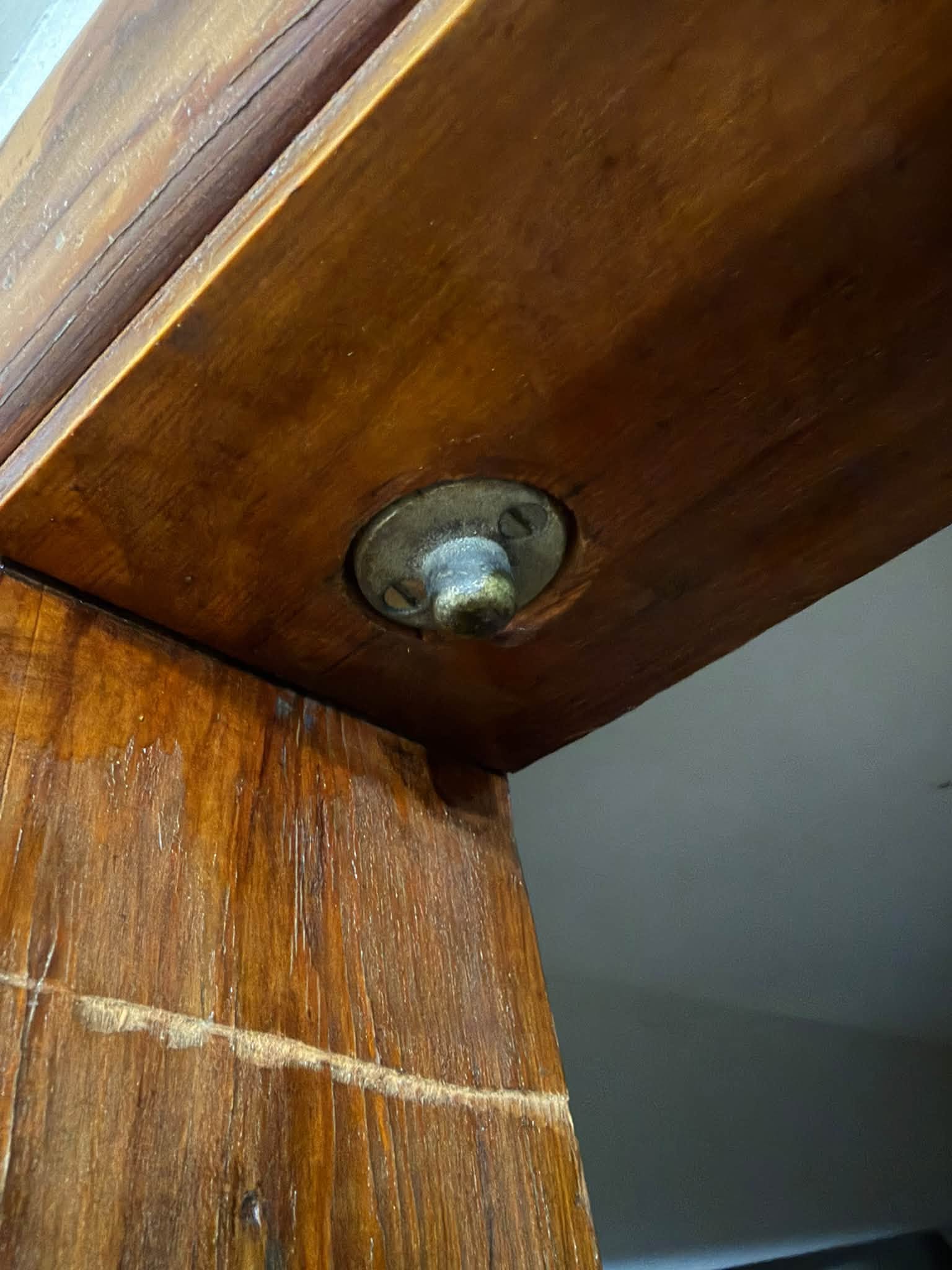
Worn-Out Metal Pipe that Often Makes a Very Loud Bang, All Too Familiar in Ageing House.
The nostalgia of double-acting swinging doors comes from the top and bottom movement. You carried on, heard the hardware clinging about as if in protest but the door opened and fell back behind you. Sometimes it settled smoothly. Other times it would bounce one time or two and then stop.
The door hardly stopped moving on its hinges before someone came through again in a crowded kitchen. Kids also found out before long that a door kicking back and forth, could be amusingly entertaining.
Why They Became Less Common
Many modern houses have kitchens that open up to the living spaces, with fewer doors separating them. They come with lower expense and ease of replacement, the traditional swinging door also became less common.
Nevertheless, some older houses and buildings remain alive. Sometimes the complete door remains. Elsewhere, sporadic unusual hardware gives clues about what once stood there.
Looking at the fitting in the picture you may initially consider it was a piece of forgotten metal that feels okay randomly on the floor. In fact, it was a reminder of an old design that worked. Swinging doors of the double-acting variety enabled everyday motion with nothing but some clever pivot, a balanced door, and a light shove.